


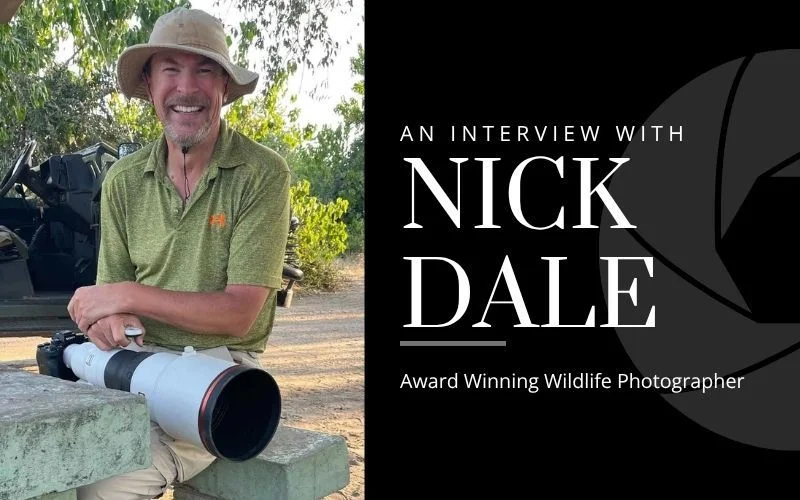
An award-winning wildlife photographer and educator, Nick Dale has traveled the world in search of extraordinary wildlife moments. His images showcase the wonder of nature and the stories found within it.
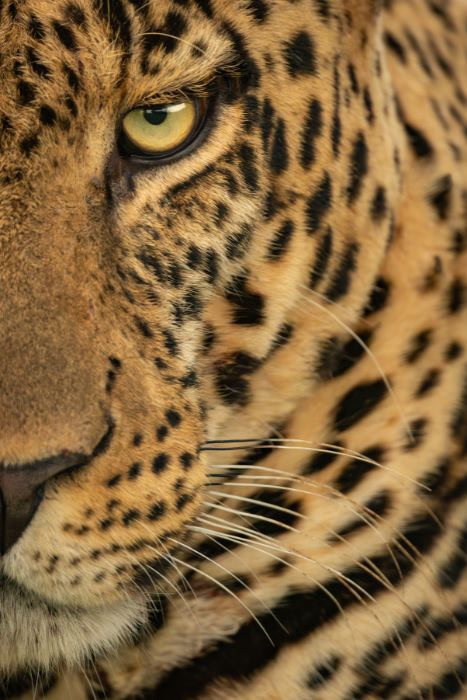
Over the years, he has photographed a wide variety of animals in their natural habitats, from big cats and bears to birds and other wildlife. His photography captures the power, beauty, and unpredictability of the natural world.
In this interview, Nick discusses his wildlife photography journey, memorable experiences, and advice for photographers looking to improve their craft.

Nick Dale on Wildlife Photography, Safari Adventures, and More
Q.1 How did you first become interested in wildlife photography, and what led you to pursue it professionally?
Ans. I dreamed of becoming a photographer when I was 15, and I planned to study photography at the London College of Printing, but my mother wanted me to go to Oxford instead, so that was that for 30 years!
Q.2 You retired at the age of 29 and later became a wildlife photographer. How did that journey unfold?
Ans. I traveled around the world for seven years, doing four ski seasons and working on an internet start-up in San Francisco before finally returning to London in 2005. At that point, consulting work felt too stressful, so I decided to focus on ‘quality of life’. I’m now a private tutor and an international award-winning wildlife photographer!
Q.3 What’s one photography skill every wildlife photographer should master early on?
Ans. Understanding the Exposure Triangle.
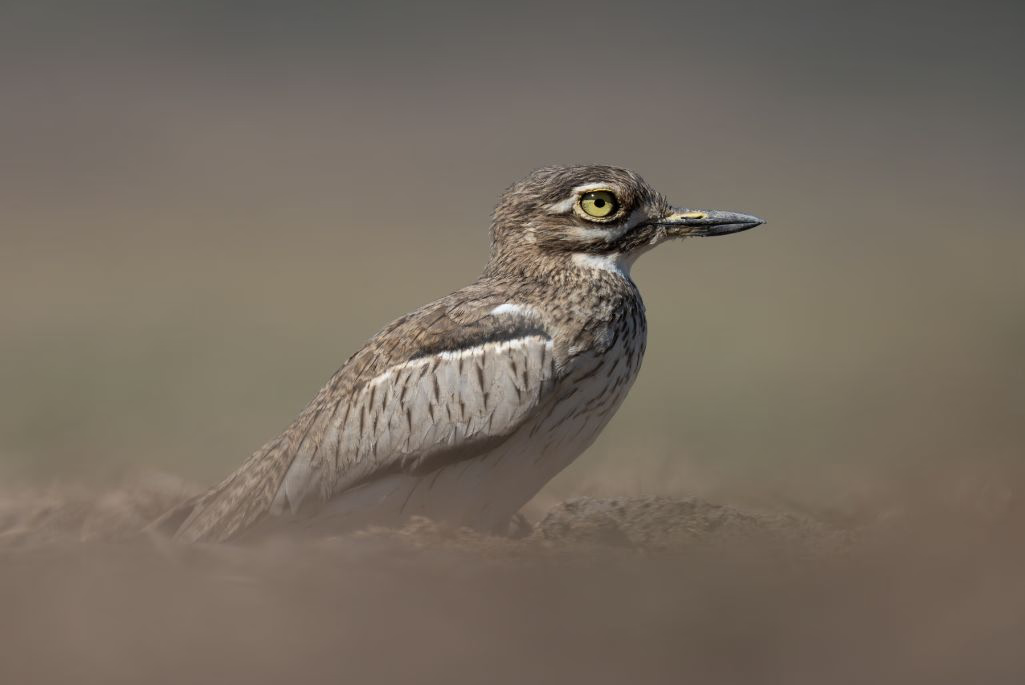
Q.4 What’s one mistake you see beginners make over and over again?
Ans. Not getting low enough! I know it hurts the knees, but if you’re not getting dirty, you’re not taking great pictures.
Q.5 You’ve visited 37 countries across all seven continents. Which destination has been your favourite and why?
Ans. It’s either the Masai Mara for the cheetahs or Brooks Falls for the bears. The first time I went to Kicheche Bush Camp in Kenya, I saw five cheetah kills in a week! I’ve been a few times since, and I’ve always seen at least one. When I went to Brooks Falls, I took probably my best photo. It was a kind of ‘hommage’ to Thomas D Mangelsen’s ‘Catch of the Day’.
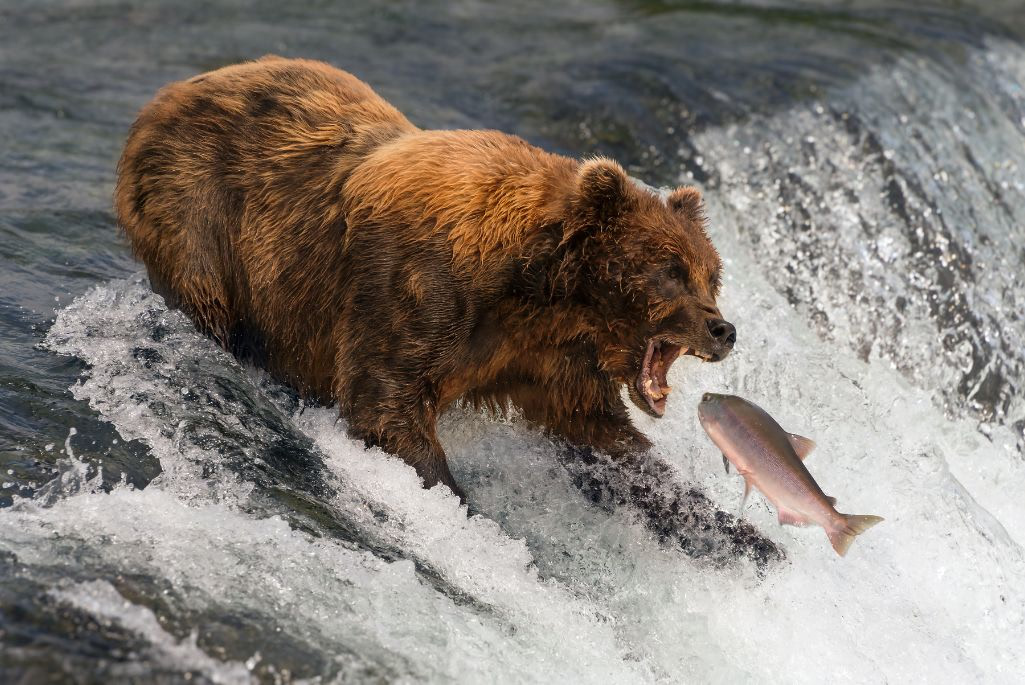
Q.6 When you’re out in the field, what do you look for before pressing the shutter?
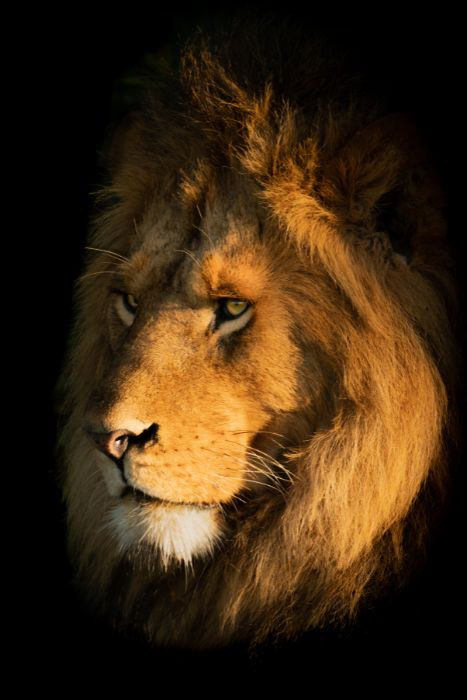
Ans. I have a passion for wildlife, and I want to celebrate all its facets in my photography, including power, beauty, cuteness and humour. I love close encounters with animals and birds, and I want to share the pleasure of seeing them, plus the feelings of excitement, relaxation, tenderness and wonder they evoke.
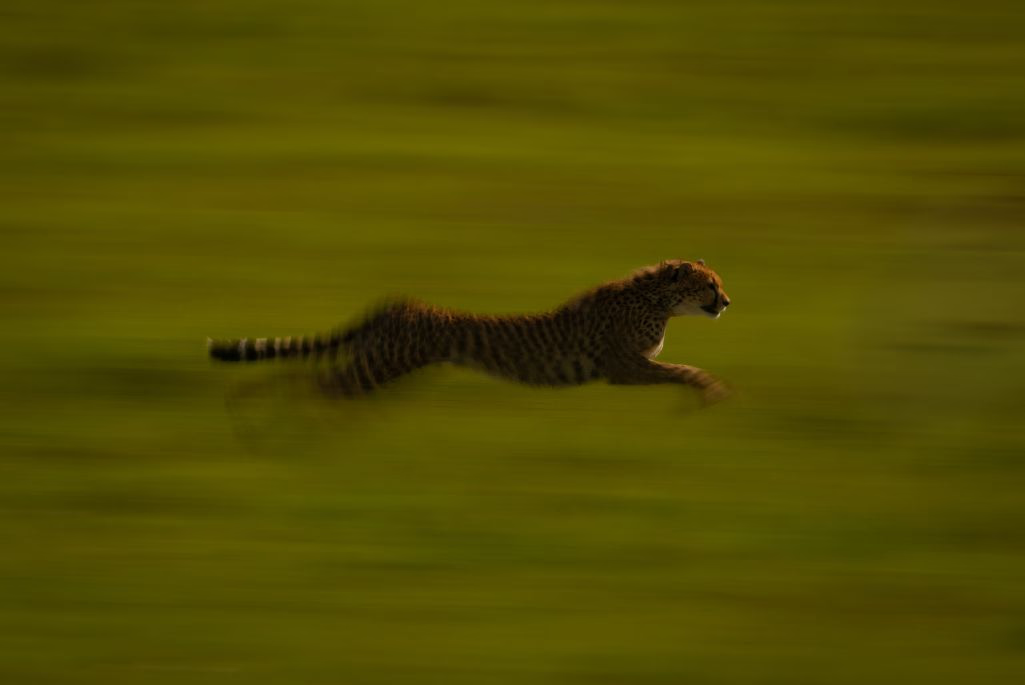
Q.7 How important is patience in wildlife photography, and how do you stay ready for unexpected moments?
Ans. Guests on safari usually drive around, stopping for a few seconds if they see something interesting. I try to find the big cats and spend time with them. It may be boring sometimes, but at least I know I’m going to be there when they hunt! Camera presets and customisation options speed up my reaction time. I’m a great believer in the Three Second Rule. That’s often all the time you have when you have a great sighting, so you need to be quick!
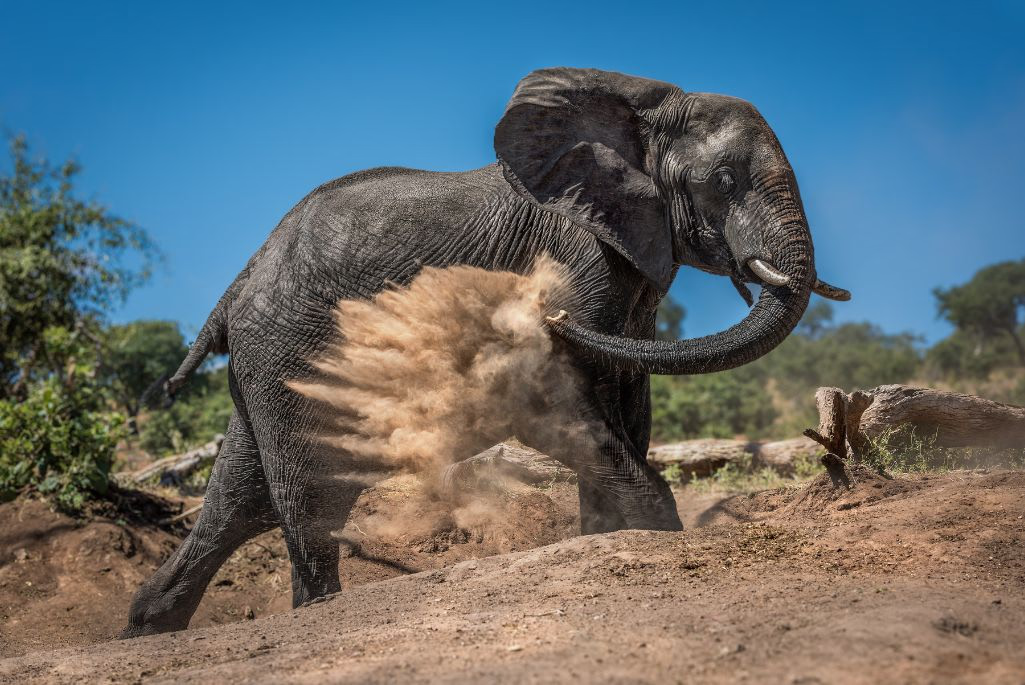
Q.8 Do you have a favorite wildlife image you’ve captured? What makes it special to you?
Ans. Yes, it’s a picture of a brown bear catching a salmon on Brooks Falls. I call it ‘Bear Gills’ (after a headline in The Sun!). It was a rare occasion when I went somewhere with a particular shot in mind and actually managed to take it! People sometimes ask me how long it took to take the shot, and I tell them, “It was either 1/1600 of a second or a week, depending on how you look at it!”
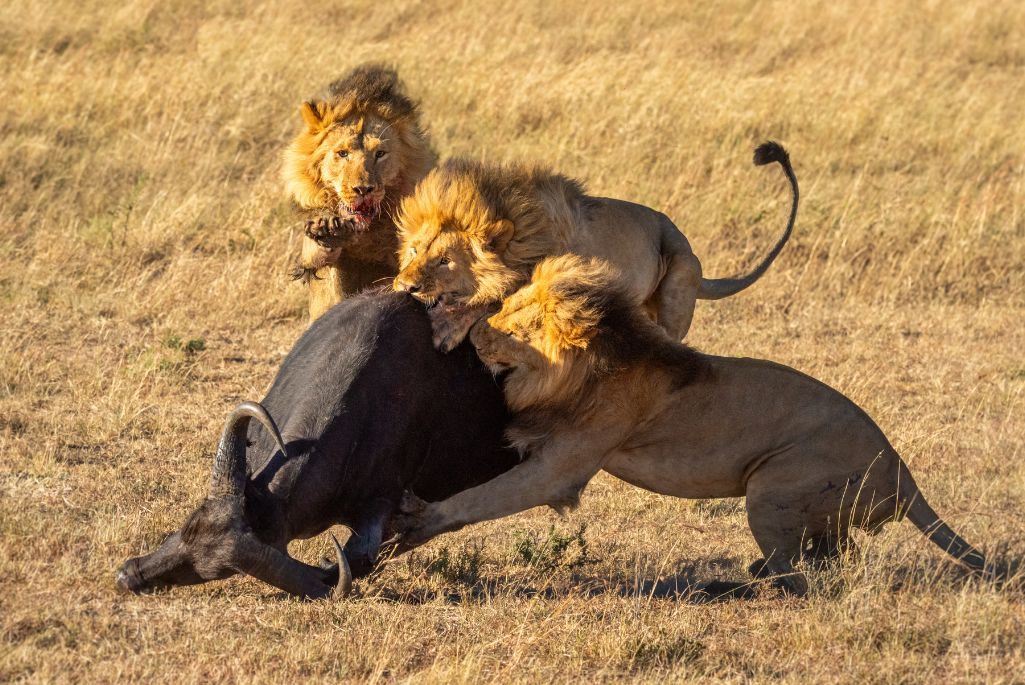
Q.9 You’ve spent years photographing predators like lions, leopards, and tigers. Is there one wildlife encounter you’ll never forget?
Ans. The most dramatic was probably when I saw four male lions take down a Cape buffalo in Serengeti National Park, Tanzania. They teach you at school that it’s the lionesses that do all the hunting, but not that day!
Q.10 You’ve worked as a wildlife photographer, writer, teacher, speaker, and judge. Which role do you enjoy the most and why?
Ans. Wildlife photography is what I enjoy best. There’s nothing quite like the thrill of capturing a great sighting in a powerful image—and the compliments are nice, too!
Q.11 What does a typical day look like when you’re leading a wildlife photography workshop or wildlife photography safari?
Ans. The workshops I lead take place in the London Wetland Centre. I take students through a presentation on my laptop all about wildlife photography before helping them photograph the otters and birds and then reviewing them. If I’m on safari in Africa, I generally spend a few hours on morning and evening game drives. The rest of the time, I eat, sleep, and work on my photos.
Q. 12 When you’re not photographing wildlife, how do you like to spend your time?
Ans. I love playing and watching sports. I play tennis five times a week and watch any and every match involving my favorite teams: Liverpool in football, Lancashire in cricket, Bath in rugby union, Wigan in rugby league, and the national teams in all sports. In addition, I watch golf and Formula 1.
Q.13 How can photographers make the most of limited gear or a smaller budget when starting out?
Ans. Long-haul flights to Africa and week-long stays at safari lodges are very expensive, and so is camera gear! However, you can get by with a second-hand mirrorless camera and then spend your money on visiting local wildlife. As you progress, you might be able to do what I’ve done and exchange your pictures for free accommodation as a ‘resident photographer’ abroad.
Q.14 Looking back on your journey so far, what achievement makes you the proudest?
Ans. I’ve taken a lot of pictures, sold prints at exhibitions. written books and articles, given dozens of talks and taught many clients, and I’m honestly not sure which has made me happiest, but it all comes down to the photos in the end.
Q.15 If you could give every photographer one piece of advice, what would it be?
Ans. Just do it! There are always excuses you can make to yourself about why you don’t enter competitions or even turn professional, but if you truly love it, you’ll regret it in the end.
Closing Notes
Nick Dale’s journey into wildlife photography is proof that passion, perseverance, and patience can lead to extraordinary opportunities. From photographing cheetahs in Kenya’s Masai Mara to capturing bears at Alaska’s Brooks Falls, he has spent years documenting the beauty, power, and unpredictability of the natural world.
Throughout this interview, Nick shared valuable insights on photographing wildlife, developing technical skills, and making the most of every opportunity behind the lens. His experiences highlight the importance of preparation, persistence, and a genuine love for the craft.
To check out more of Nick Dale’s work: Website