


Want to capture the beauty of the human form while still leaving much to the imagination?
Implied photography holds the answer to this captivating artistry.
It helps models to convey form and silhouette while keeping the image tasteful and fully clothed-appropriate.
In this blog, we will explore the meaning of implied photography, share tips on how to achieve the perfect pose, and offer tips on how to create stunning images. So let’s dive in!
Table of contents
What is Figure Photography?
Figure photography focuses on the shape, line, and silhouette of the human form using pose, light, and composition and not explicit exposure.
It means that there is a good mix of being sensual and subtle. This allows the subject to show both vulnerability and confidence at the same time.
This can be done by strategically positioning the model or using clothing or props to cover certain areas.
Poses That Speak Volumes
1. Back To The Camera
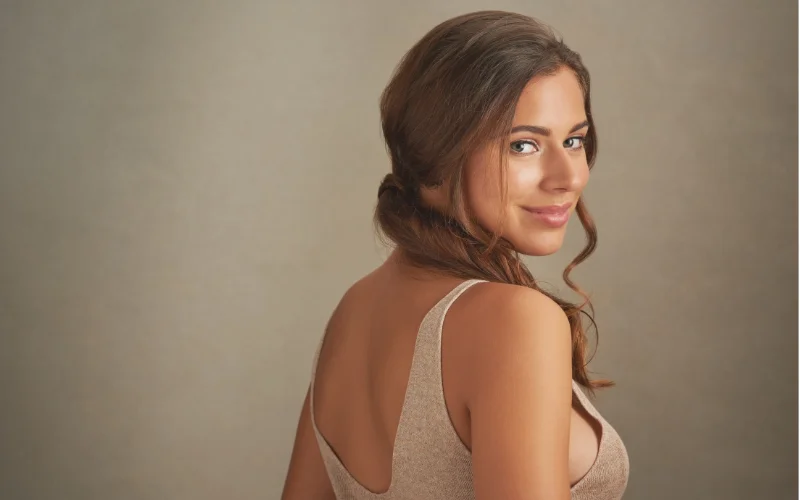
Capture the subject’s back, highlighting the graceful curve of the spine. This pose exudes elegance and mystery, inviting viewers to contemplate the story behind the image and helps add mystery to the composition without over-exposing the subject.
2. Profile Perfection
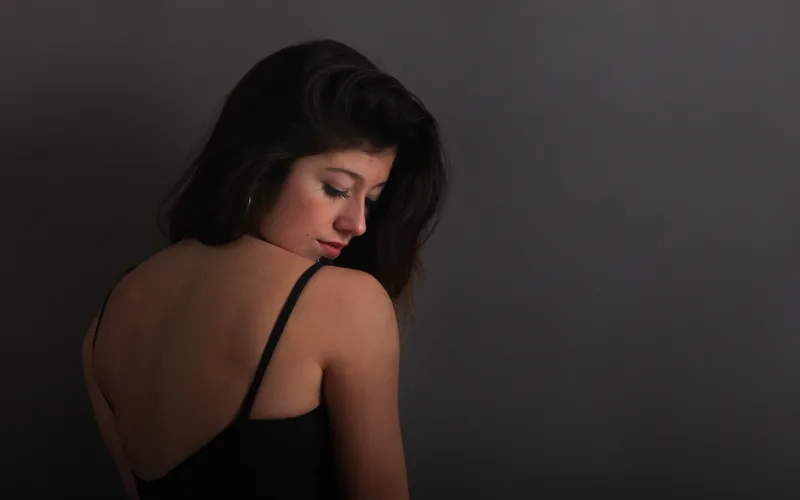
Position the subject’s silhouette in profile, emphasizing the contours of the body.
The play of light and shadows adds depth and emotion to images, making this pose a classic choice for implied photoshoot photography.
3. Using A Veil
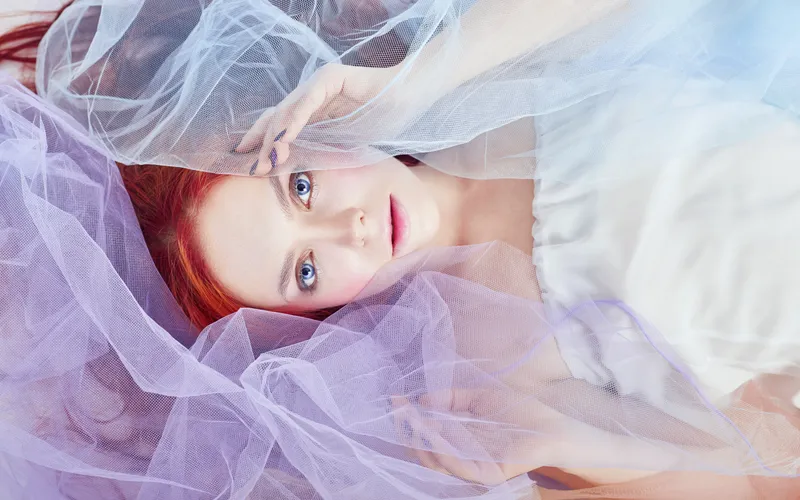
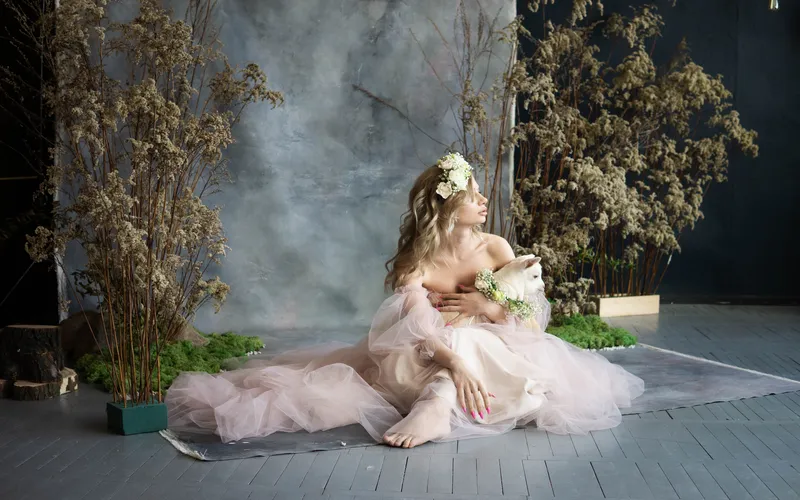
Incorporate sheer fabrics or drapery to add an ethereal touch to your composition. Let the fabric interact with the body, obscuring just enough to ignite curiosity.
4. Lost In Thought
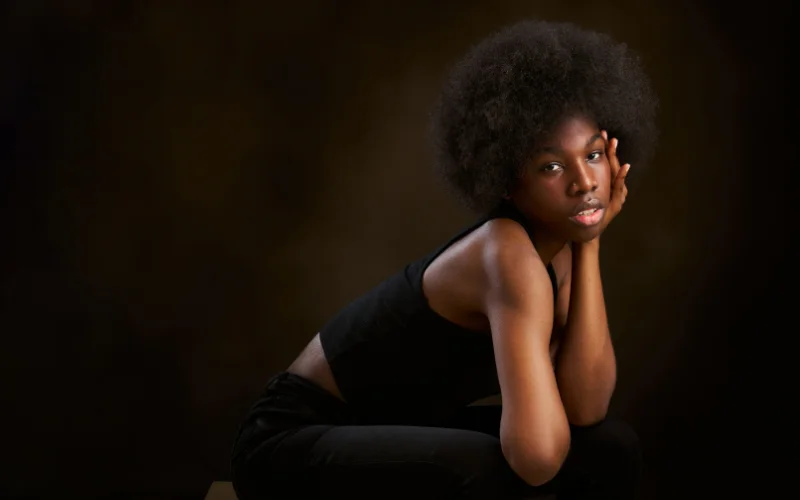
Frame the subject in a moment of introspection.
Whether gazing out a window or lost in a book, this pose captures vulnerability and invites viewers to ponder the subject’s inner world.
5. Curtain Of Hair
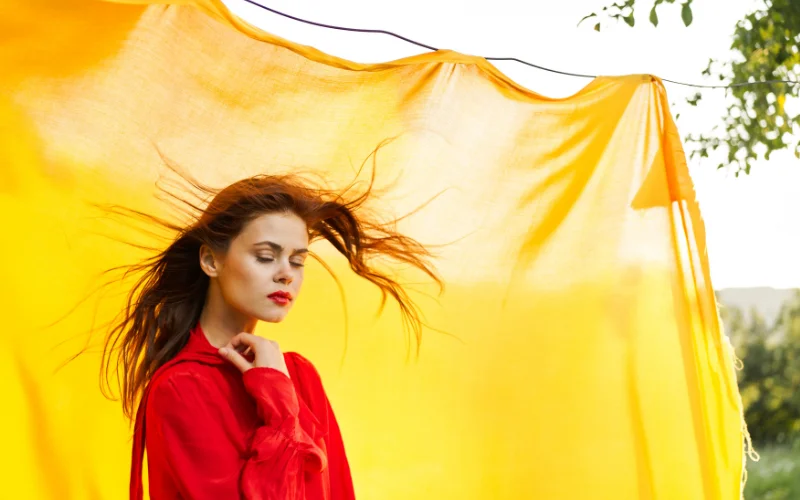
Allow the subject’s hair to cascade gently, partially obscuring their torso. This adds an element of mystery while celebrating the texture and flow of their locks.
6. Curves & Composition
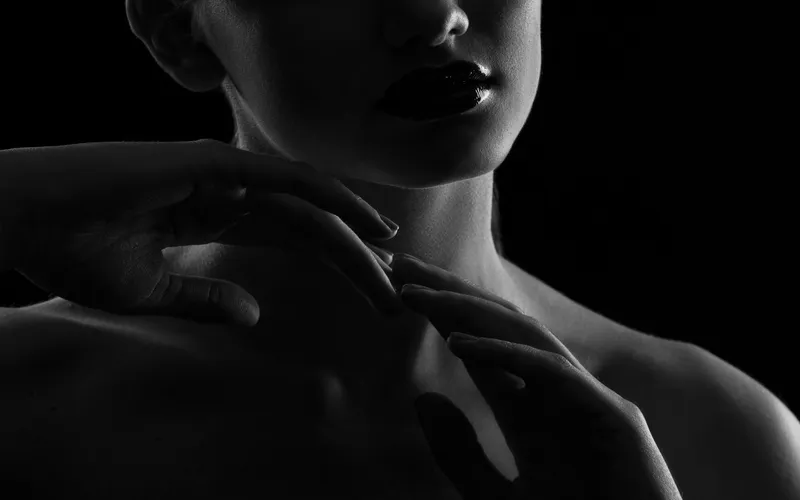
Focus on the graceful curves of the body and how they interact with the surroundings.
Experiment with different angles to create the perfect composition.
7. Strategic Angles
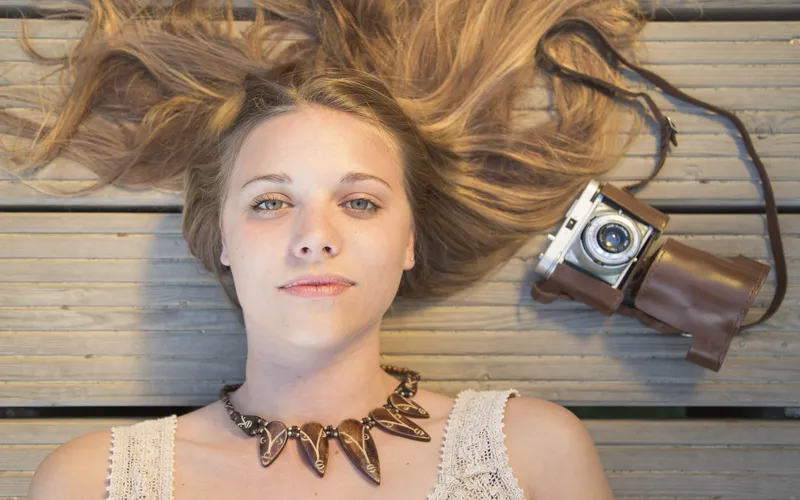
Try out different angles when taking pictures or making art. This can make cool shadows and tricky illusions without showing everything directly.
Tips For Tasteful Photos
1. Careful Photo Cropping
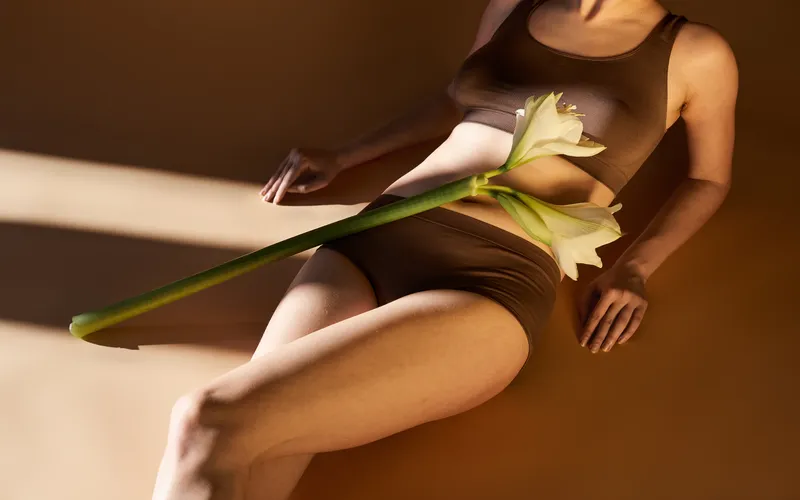
Cropping photos can hide certain sections effectively. You can also be sneaky with how you cut the pictures.
By cropping them just right, you can hide certain parts and keep things a bit mysterious. It’s like peeking through a keyhole – revealing just enough to make the photo interesting!
2. It’s All About The Light
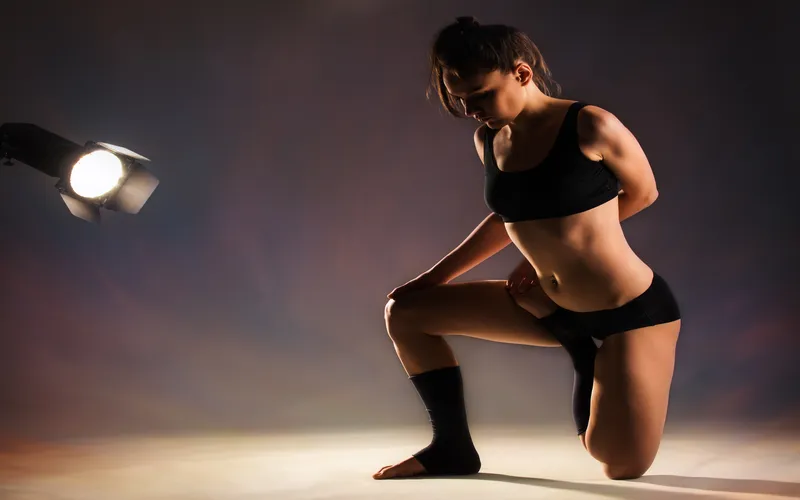
It’s no surprise that using dark and contrasting light works really well. This kind of light is great for making implied photoshoot images.
You can use it to paint shadows on the body parts you want to hide. It might take a bit of practice, especially if you’re using sunlight. It’s like learning a new game, you try different things to see what looks best!
3. Placement Of Props
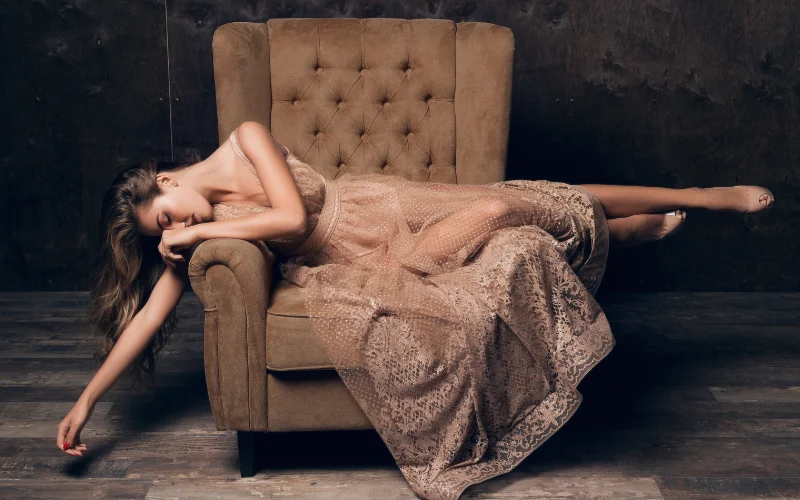
Making your photos stay respectful can be a hoot! You can use stuff like plants, books, or other things to cover up the bits you want to keep private.
And if something doesn’t quite fit, no worries! You can use Photoshop to add more plant leaves or fix little slip-ups. It’s like a photo magic trick!
4. Blur It Out
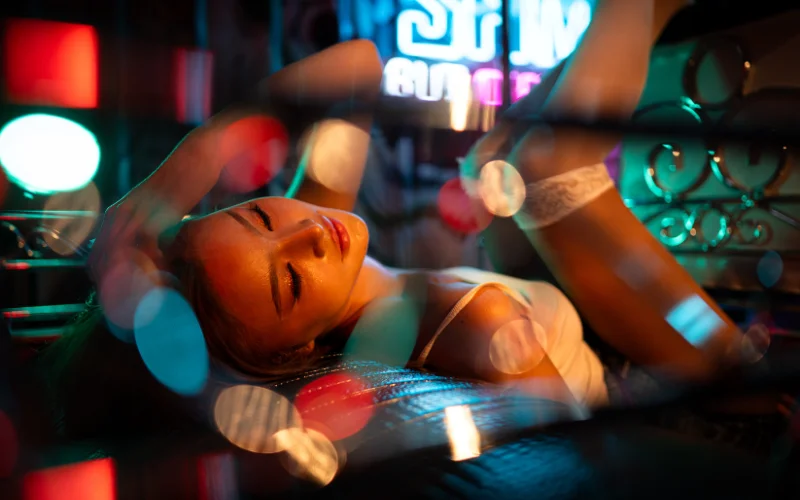
When the depth of field is shallow, only a tiny part of the picture looks clear. In figure photography, this happens when we use a tiny hole to let light in and get really close to the subject.
You can blur out the parts you want to hide and only focus on the best features of the subject. It’s like making things a little fuzzy on purpose, not really ‘hinting’ but more like ‘making a misty look’.
5. A Little Bit Of Clothing
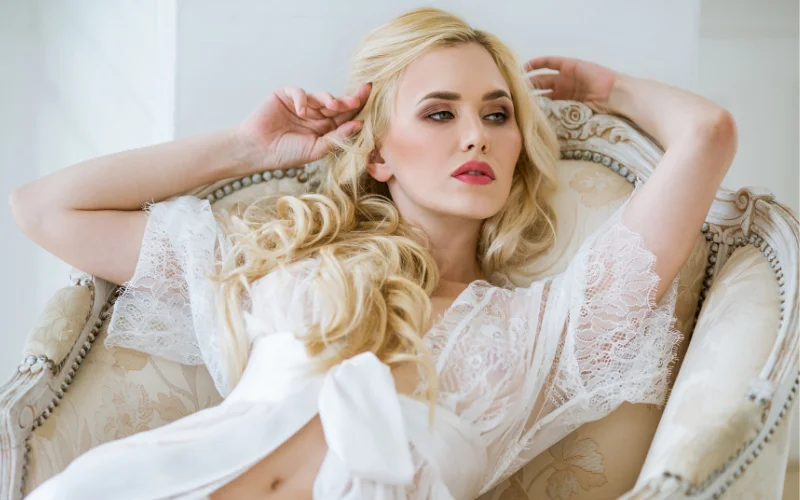
Here’s another neat trick, even though it might not be exactly implied photography. But it gives off a similar feeling.
So, if you put a dress or jacket in just the right way, it can make you think of exposure, even if nothing’s really showing.
To Wrap It Up
Figure photography can be a beautiful and artistic way to capture the human form. But it’s important to remember that the comfort and safety of the model always come first.
By following the tips and techniques outlined in this blog, photographers can create stunning images that evoke a sense of sensuality and mystery while maintaining a level of modesty.
With practice, anyone can master the art of this technique and create images that tell a story and capture the imagination of the viewer.
Like this post? Check out more amazing content on our blog.
Frequently Asked Questions
1. What is an implied photoshoot?
An implied photoshoot uses pose, lighting, props, and camera angle to suggest a sense of exposure or vulnerability without any explicit content in the final image. The effect comes from composition and shadow — things like an angled shoulder, draped fabric, or a well-placed prop — rather than from what’s actually visible in the frame.
2. What is implied boudoir photography?
Implied boudoir applies the same suggestive-but-tasteful approach within a boudoir setting — think soft lighting, intimate settings like a bed or vanity, and flattering poses that hint at more than they show. It’s popular for personal or gift photography because it feels sensual and confident while staying comfortable for the client.
3. What are implied lines in photography?
Implied lines are visual lines your eye “completes” even though they aren’t drawn directly in the frame — created by the direction of a subject’s gaze, the curve of a body, or the edge of a shadow. In figure and portrait work, implied lines guide the viewer’s eye across the composition and are one of the main tools used to create mood without relying on explicit detail.
4. What is implied consent in photography?
Implied consent refers to a model’s agreement to a shoot’s concept and boundaries being understood through context and communication rather than a single blanket statement — for example, agreeing to a boudoir or figure session implies comfort with tasteful posing, but doesn’t automatically extend to more revealing content. Reputable photographers still confirm boundaries explicitly with a model release and a pre-shoot conversation rather than relying on implication alone.
5. How do you pose a model for an implied photoshoot?
Focus on angles and coverage rather than exposure: turn the body partially away from camera, use props or fabric to cover key areas, and rely on shadow and cropping to suggest form. Poses like a back-to-camera shot, a profile silhouette, or a partially draped pose all create the “implied” effect while keeping the image tasteful.