

You open last year’s photos. Then you open last week’s. Honestly, they look identical. Same framing, same light, same “nice, but not quite” feel. You’re shooting more than ever before. So why isn’t your work getting better?
Don’t worry, you’re not alone here. Every photographer hits a plateau at some point. It’s rarely about talent or the gear you own. Most of the time, it’s about how you practice. Looking for ways to improve your photography skills? You’re in the right place. This guide covers the real reasons photographers get stuck. It also gives you simple fixes to try this week.

Table of contents
- Why Your Photography Isn’t Improving: A Quick Self-Check
- How to Improve Photography Skills: 10 Fixes That Work
- 1. Practice Photography With Purpose
- 2. Master Your Camera Settings
- 3. Learn Photography Step-by-Step
- 4. Learn to Read Light
- 5. Improve Your Photography Composition
- 6. Critique Your Own Photos
- 7. Get Honest Photography Feedback
- 8. Try a Photography Challenge
- 9. Build a Photo Editing Workflow
- 10. Make Photography a Daily Habit
- A 4-Week Photography Practice Plan
- Conclusion
- Frequently Asked Questions
Why Your Photography Isn’t Improving: A Quick Self-Check
Before we jump into the fixes, let’s do a quick check. Be honest with yourself here. Does any of this sound familiar?
- You come home with hundreds of photos and keep maybe five
- You’re pretty sure the next lens will be the one that changes everything
- Most of what you know came from whatever YouTube autoplayed next
- The only people who’ve ever commented on your work are friends and family
Two or more? That’s completely okay. Plateaus usually happen for a simple reason. You learned the basics quickly, and progress felt fast.
Then the easy wins ran out. Now growth needs a little more intention. The good news? Every one of these can be fixed.
How to Improve Photography Skills: 10 Fixes That Work
1. Practice Photography With Purpose
Taking lots of photos doesn’t always help you improve. Many photographers go out with their cameras and shoot whatever catches their eye. But having a simple plan can make a difference. Pick one thing to focus on each time you go out. You could practice shooting in backlight, capturing reflections in puddles or windows, or using only a 50mm lens for the day. Focusing on one thing helps you pay more attention to what you’re doing. Over time, this is what helps you improve your photography skills.
Try this: Set one goal for each of your next three shoots. Write it down before you leave home.
2. Master Your Camera Settings
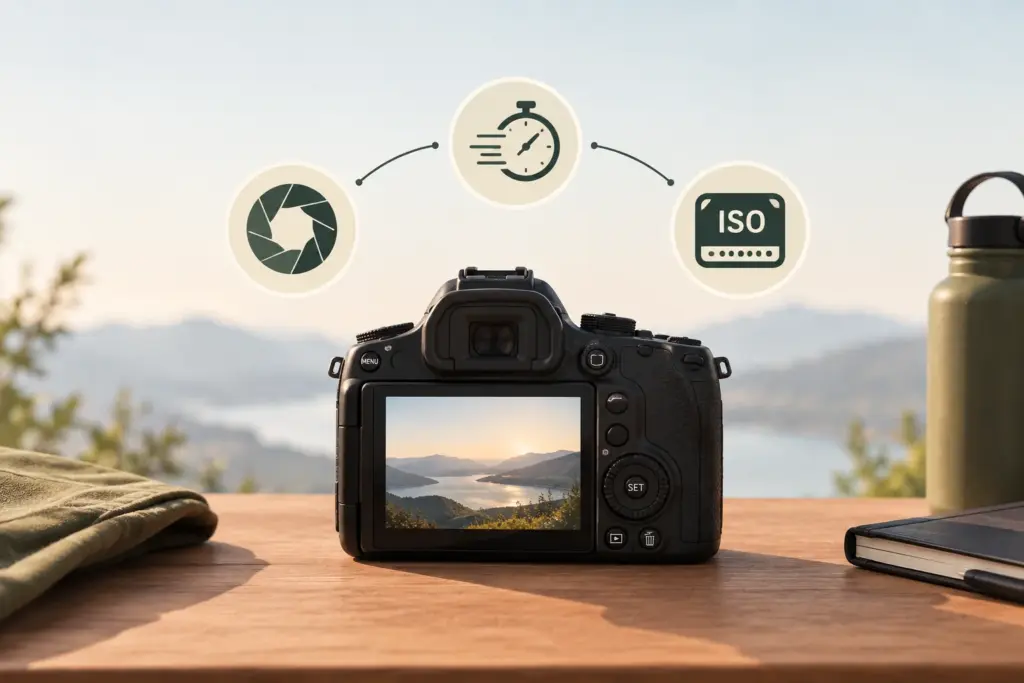
Getting a new camera is exciting, but better gear doesn’t automatically mean better photos. It won’t fix poor exposure or a cluttered frame. If you still shoot in auto mode, try switching to manual mode for a week. It might feel confusing at first, but you’ll soon get a better feel for aperture, shutter speed, and ISO. Once you understand these settings, you’ll have more control over your shots. Thinking about buying a new camera? Check out our guide to the best camera for beginners before you decide.
Try this: Photograph the same subject at three different apertures. Compare the photos to see how each setting affects the background.
3. Learn Photography Step-by-Step
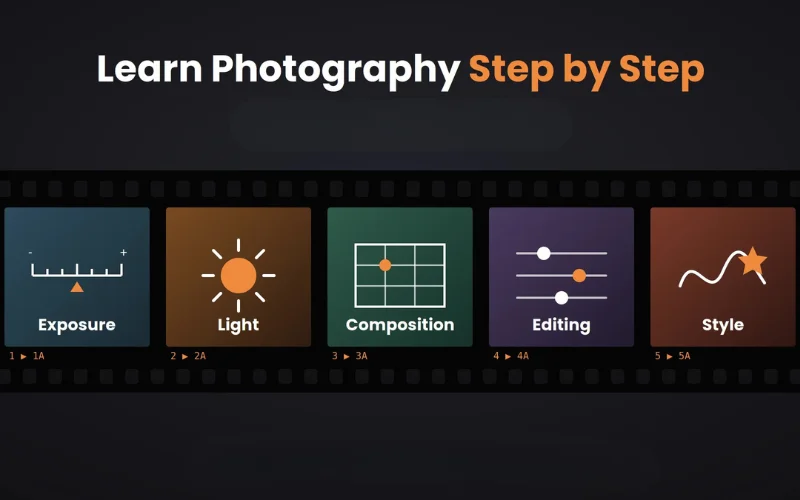
Watching random YouTube videos can teach you a few things, but it can also leave gaps in your knowledge. It’s easier to learn photography when you follow a clear order. Start with exposure, then move on to lighting, composition, and editing. Each skill helps you understand the next one. PhotoWhoa’s Core & Creative Skills learning path follows this approach, so you know what to learn next.
Try this: List the last five tutorials you watched. Check if they actually built on each other.
4. Learn to Read Light
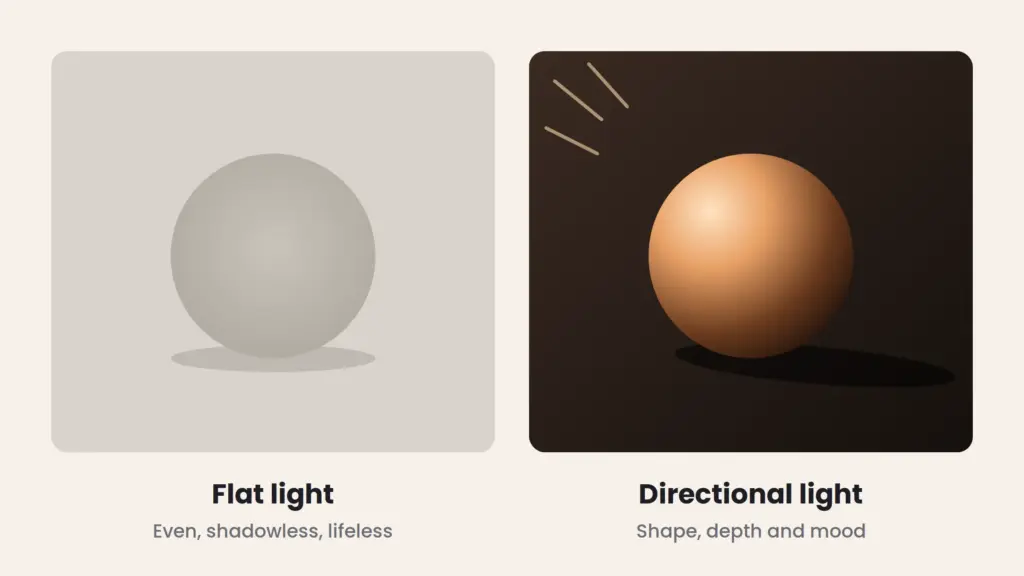
Sometimes a photo looks dull, even with perfect exposure. In most cases, the light is to blame. Before you take a shot, ask yourself three questions. Where is the light coming from? Is it hard or soft? What color is it? This seems slow at first, and that’s normal. Soon you’ll notice light without even thinking about it. To go further, explore the Lighting & Studio Setup learning path.
Try this: Photograph the same object near a window at three different times of the day. See how the light and shadows change each time.
5. Improve Your Photography Composition
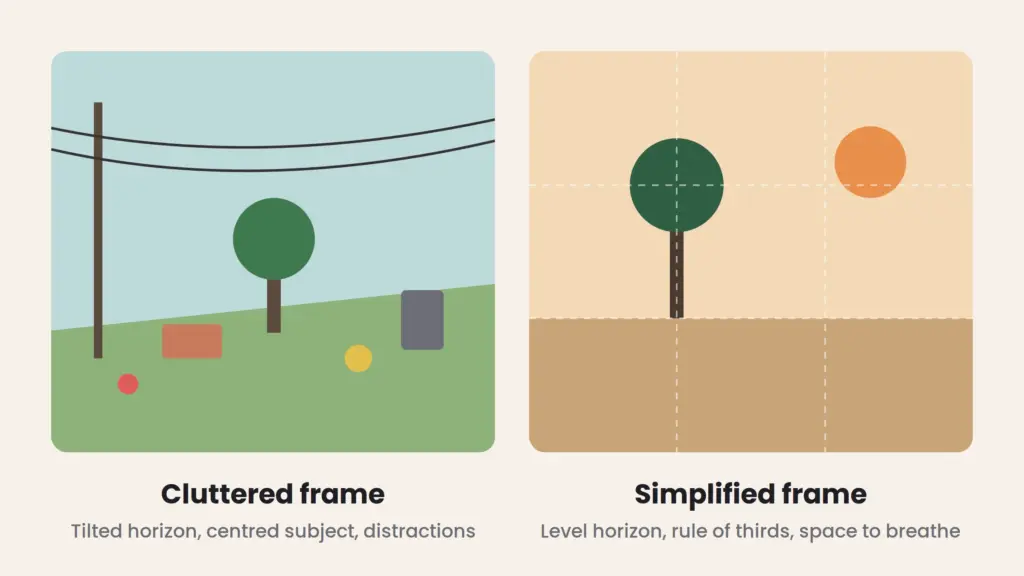
Even a great subject can look out of place in a photo. Before you take the shot, look at everything in the frame. Check the edges for anything that shouldn’t be there. Try moving a little to the left or right. You can also shoot from a lower or higher angle. Take at least three shots from different positions and compare them. Ask yourself what you want people to notice first. If something distracts from the main subject, change your angle or leave it out of the frame. You can learn more about the basics in this photography composition masterclass.
Try this: Turn on your camera’s grid lines. Place your subject where two lines cross.
6. Critique Your Own Photos
After every shoot, pick your three favorite photos. Then pick your three least favorite ones. Look at each one closely. Ask yourself what’s working and what isn’t. Then ask what you would change next time. Be honest, but don’t be too harsh on yourself. This only takes about ten minutes. Yet you’ll learn more than from another hour of shooting.
Try this: Keep your reviews in a simple notes file. Read through them before your next shoot.
7. Get Honest Photography Feedback
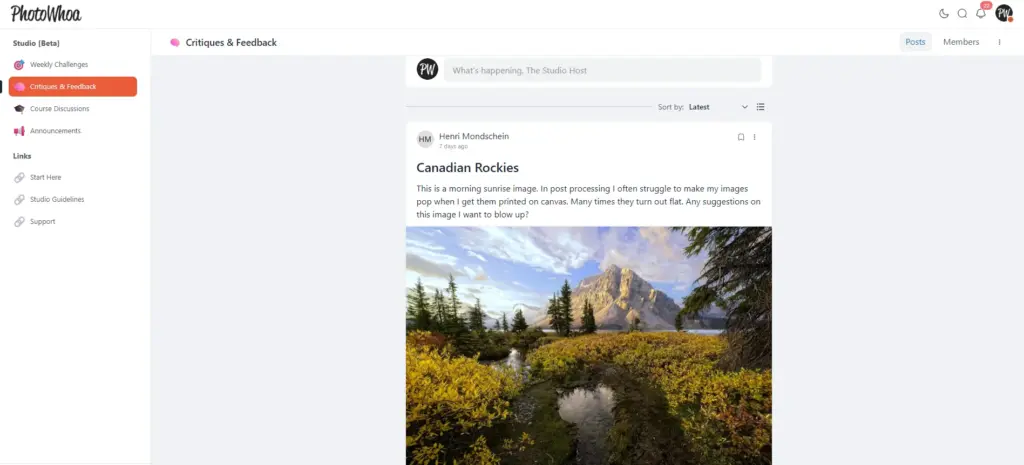
Getting likes on social media feels good, but they don’t tell you what you could do better. Honest feedback from people who understand photography can help you spot things you might have missed. That’s what PhotoWhoa Studio is for. You can share your photos, get helpful feedback, and ask questions. You can also learn from other photographers and stay motivated as you improve.
Try this: Share one photo this week with a specific question. For example, ask what feels distracting in the frame.
8. Try a Photography Challenge
Shoot the same subjects, and your photos start looking the same. That’s why leaving your comfort zone matters so much. Pick a genre you’ve never tried before. It could be street, macro, or black and white. Stick with it for one full week. You’ll probably feel a little out of your depth. That’s actually the whole point. Street photography sounds fun? Start with this free street photography video. For further insight, try this: The Complete Street Photography Masterclass.
Try this: Choose one new genre today. Take at least 20 photos of it this week.
9. Build a Photo Editing Workflow
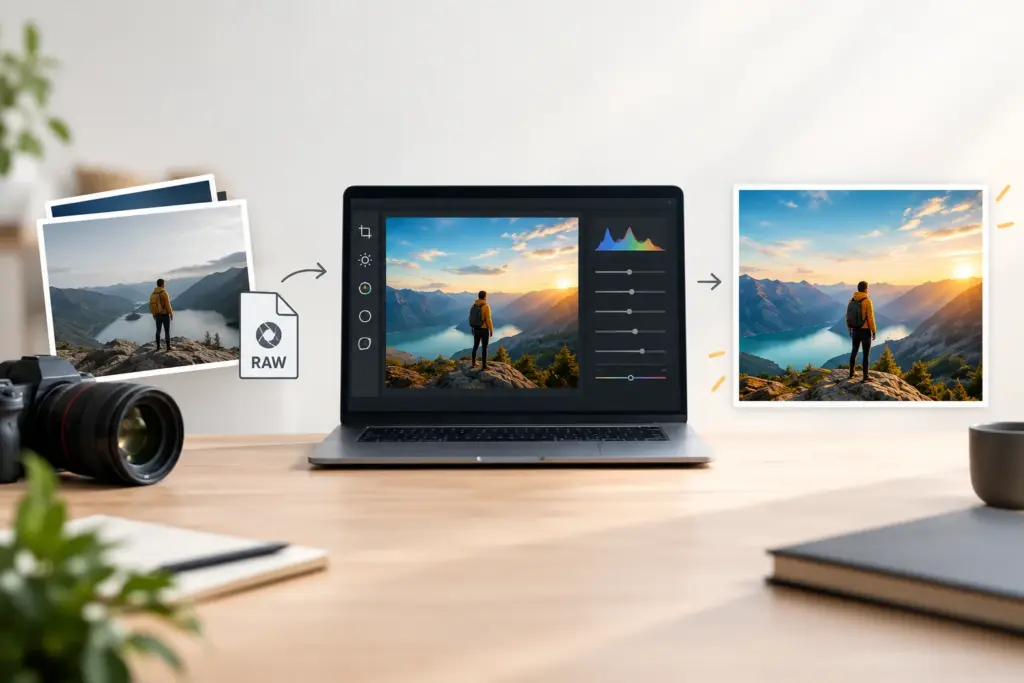
Editing does a lot of work in a finished photo. Some photographers skip it completely. Others push every slider until the photo looks fake. Neither approach assists you grow. What works is a simple routine you follow every time. It keeps your photos looking consistent. Shooting in RAW also gives you more room to edit. New to RAW? Here’s what RAW means in photography. The Lightroom Workflow path can guide you through a full process. You can also learn pro tricks in a photo editing masterclass.
Try this: Edit five photos using the same three steps. Put them side by side and see how well they match.
10. Make Photography a Daily Habit
You don’t have to wait for a special moment to take a photo. Sometimes, the best way to improve is to pick up your camera regularly. Even 10 minutes a day is enough for practice. Start by photographing your morning coffee, the view from your window, or a busy street nearby. Try different angles and keep looking for interesting details. The more often you shoot, the better you’ll get at noticing things worth photographing.
Try this: Set a daily phone reminder to shoot for ten minutes. Keep it going for 30 days.
A 4-Week Photography Practice Plan
Want to put this into practice? Here’s a simple four-week plan you can start:
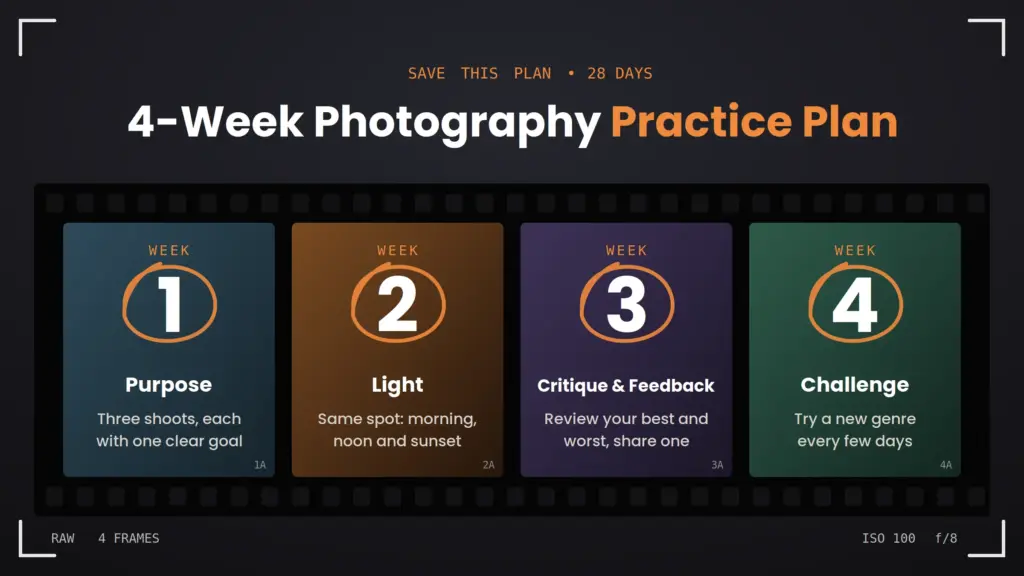
Week 1: Keep your goals small and straightforward.
Week 2: Shoot in the same spot every time. That way, only the light changes.
Week 3: Don’t skip the tough feedback. That’s where the biggest lessons hide.
Week 4: Enjoy the process. Not every shot has to turn out perfect, and that’s okay.
Save this plan or take a screenshot. Keep it handy for your next shoot.
Conclusion
If you are feeling stuck during photography, it doesn’t mean you’ve reached your limit. It just means your practice needs a bit of a shake-up. Choose one fix from this list and try it this week. Next week, add another.
If you’d like some structure along the way, PhotoWhoa has expert-led masterclasses, step-by-step learning paths, and a friendly community to keep you going. Pick one and start with your next shot.
Frequently Asked Questions
1. How Long Does It Take to Get Good at Photography?
It depends on how often you shoot, but most people notice a real difference after three to six months of focused practice. After that, you keep getting better for as long as you keep shooting.
2. Do I Need an Expensive Camera to Improve My Photography?
No. You can improve your photography with the camera you already own. Focus on understanding light, getting your composition right, and practicing regularly. Learn how to use your current camera before spending money on a new one.
3. How Often Should I Practice Photography?
Short sessions a few times a week work better than one long session a month. Even ten or fifteen minutes counts.
4. What Is the Fastest Way to Improve Photography Skills?
Practice with a clear goal, follow a structured learning path, and get honest feedback regularly. Doing all three together speeds things up a lot.
5. Why Do My Photos Look Flat or Boring?
Usually, it’s either flat light or too much going on in the frame. Look for light coming from the side, and cut out anything that doesn’t need to be there.
6. Can I Improve My Photography Skills With Just a Phone?
Yes. Composition, light, and storytelling work the same way on a phone as on any other camera. Lots of great photographers started out with nothing but a phone.
7. Is It Better to Learn Photography From YouTube or a Structured Course?
YouTube is handy for quick answers. A structured course gives you the right order and more depth. We break down the differences between online photography courses and YouTube.
8. How Do I Know if My Photography Is Getting Better?
Put a photo from three months ago next to one from this week. If you’re keeping more shots and catching your own mistakes sooner, you’re improving.
9. What Are the Most Common Photography Mistakes Beginners Make?
Beginners often make simple mistakes, like crooked horizons, distracting backgrounds, or overediting. Once you know what to look for, you can spot these issues and fix them in your next shot.
10. How Can I Find My Own Photography Style?
Shoot the things you love and study photographers whose work you admire. Over time, you’ll observe patterns in your favorite photos. That’s your style starting to show.