

Fine art photography is one of those genres that can be incredibly rewarding to learn, but also one that is easy to get stuck in the wrong place without the right guidance. Many photographers know they want to create fine art photography, but they are unsure about the journey.
This guide will gather all the best fine art photography resources in one place, to save you from the endless clicking of a search engine that can take hours just to find what you might be looking for.
Table of contents
Fine Art Photography Tips and Inspiration
Understand Your Purpose
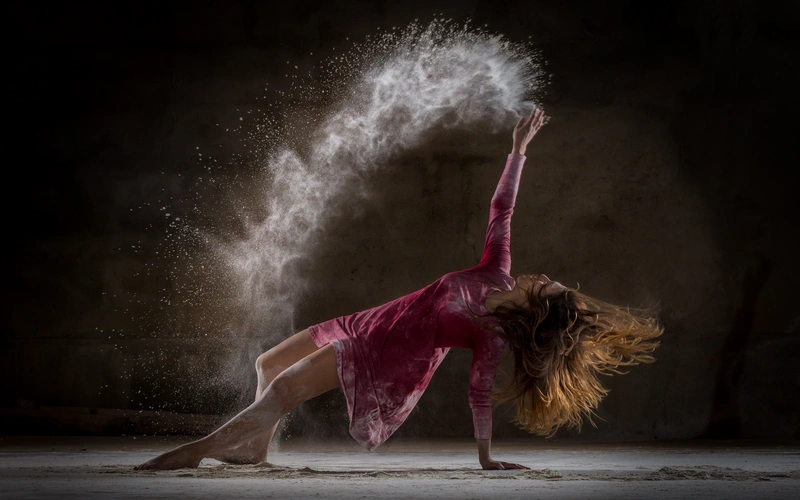
Before you start, think about why you want to shoot fine art photography. Are you exploring form and shape? Do you want to experiment with light and shadow? Are you trying to tell an emotional story? Defining your purpose early on will guide your whole approach and style.
Build Trust With Your Model
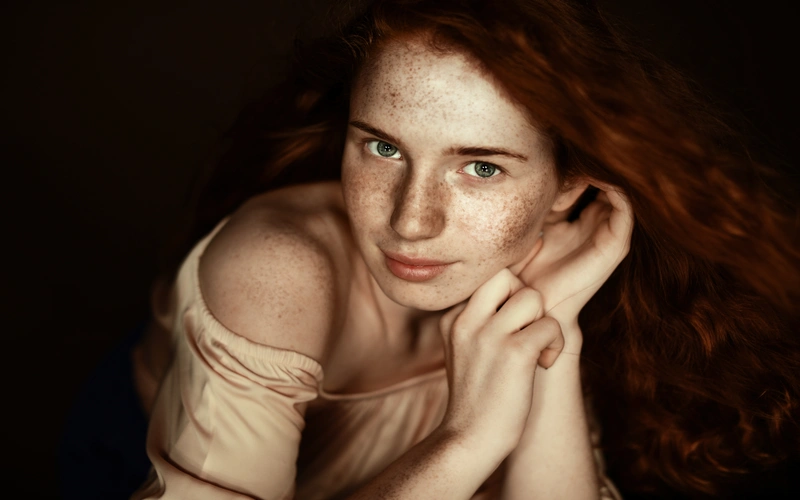
Trust is the basis of a good fine art shoot. Make your subject feel comfortable and respected. Talk through the concept clearly. Discuss poses, themes and limitations. Always keep communication open during the shoot.
Some ways to do this:
- Be professional and approachable
- Limit the set to a small crew
- Give your subject time to settle in and relax
A relaxed, confident subject will always give you better results than one who is tense and uncomfortable. And a rushed one.
Choose the Right Location
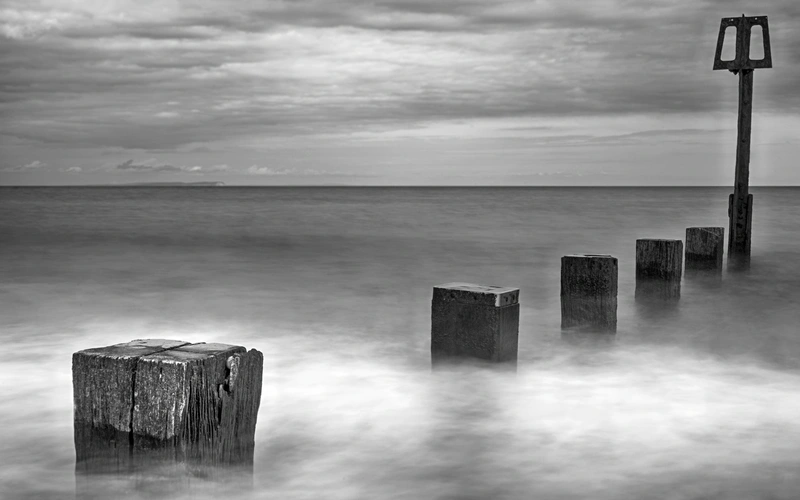
Each shooting location will set the tone for your video. Your location could range between a studio or a private indoor space. You can also opt to record outdoors.
- The studio is the best option for a beginner because it has controlled lighting and provides privacy.
- A private indoor space can include a bedroom, so you can record in the comfort of your own home
- Lastly, outdoor spaces can include woods, beaches, and mountains, giving your video a natural appeal.
The chosen location must be free from distractions and safe.
Focus on Lighting
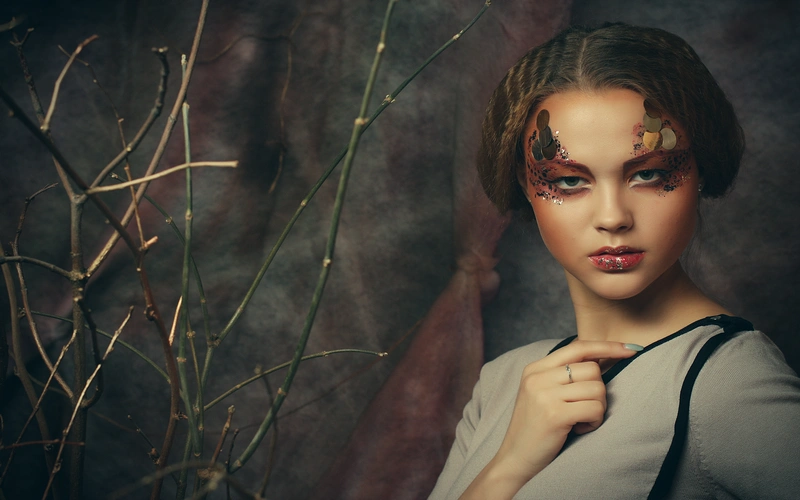
Lighting might be the single most important part of fine art photography. It shapes texture, mood, and emotion. Try a few different setups to find what fits your concept:
- Soft natural light: early morning or late afternoon light is gentle and flattering
- Low-key lighting: shadow adds mystery and drama
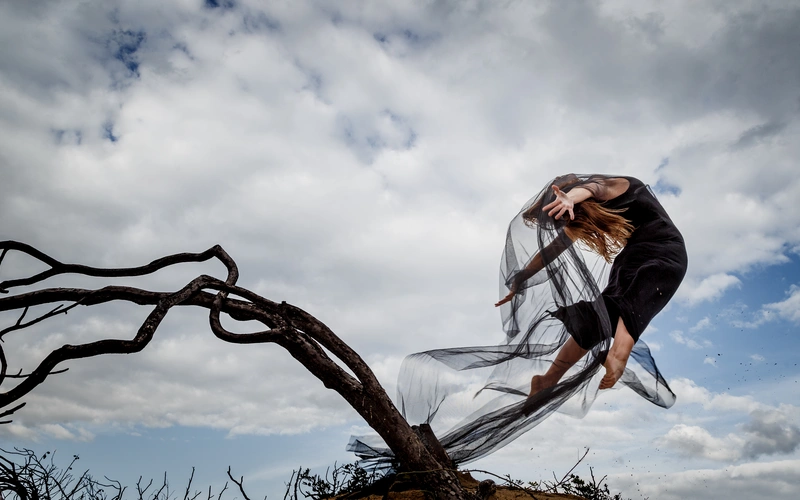
- Backlighting: silhouettes add elegance and intrigue
Play with angle and intensity. Diffusers, reflectors, and blinds all give you more control over how the light falls.
Pay Attention to Composition
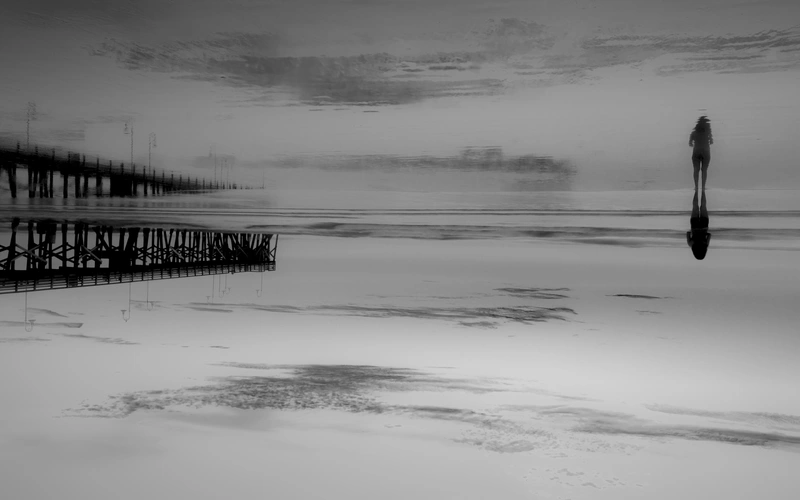
Strong composition is what makes a fine art photo stand out. A few things to keep in mind:
- Use the rule of thirds to place your subject off-center
- Use leading lines to draw the eye toward your subject
- Leave negative space to give the subject room to breathe
- Experiment with pose, angle, and framing
Simplicity tends to work best in this genre. Keep the focus on your subject without too many distractions pulling attention away.
Guide Your Model with Poses
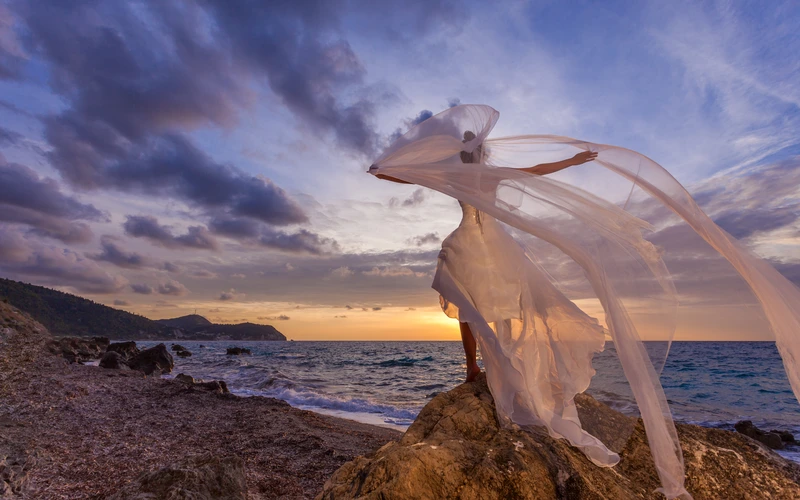
Posing is its own art form. Guide your subject with simple, natural direction. Show examples or demonstrate yourself if it helps. Encourage them to relax and move rather than freeze into a stiff position.
A few pose ideas to try:
- Standing or sitting with a relaxed, natural posture
- Using hands and gestures to add shape and interest
- Lying on the side or back to create graceful lines
- Stretching or bending to build stronger visual lines
Always respect your subject’s comfort level. Never push a pose that feels forced or awkward for them.
Use Props Wisely
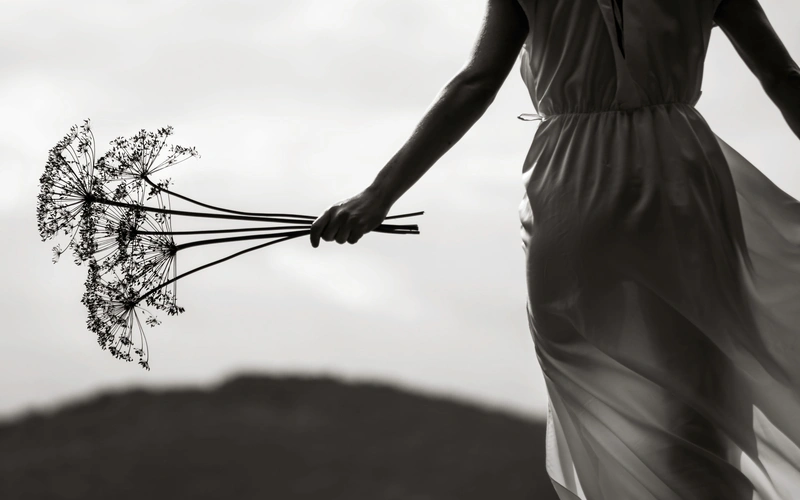
Props can add context or contrast to a fine art image. A few common ones:
- Fabric for movement, texture, or drape
- Mirrors, to play with reflection and perspective
- Furniture like chairs or stools for creative posing
- Accessories like hats, scarves, or jewelry
Use props sparingly. The subject should always stay the focal point.
Work on Your Post-Processing Skills
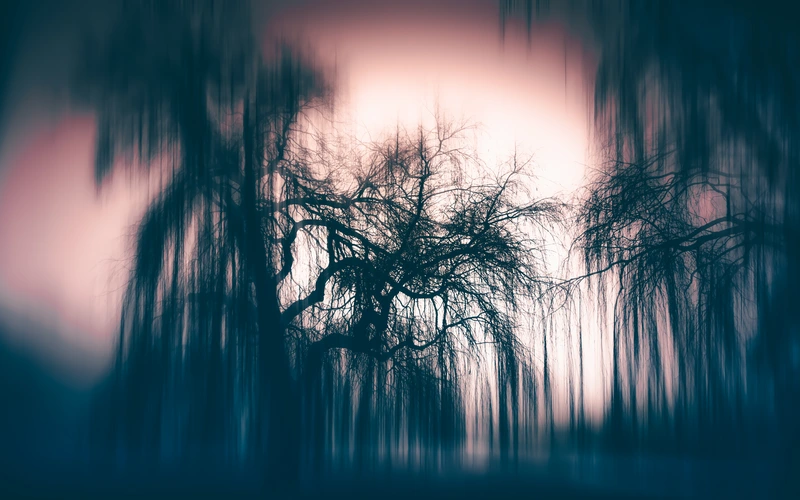
Editing is a real part of the craft, not an afterthought. It refines your images and shapes the final mood. Use tools like Adobe Lightroom or Photoshop for:
- Adjusting exposure, contrast, and color balance
- Retouching while keeping things looking natural
- Enhancing texture, detail, and shadow
Avoid over-editing. Subtle, deliberate adjustments almost always beat heavy-handed ones.
Experiment with Styles
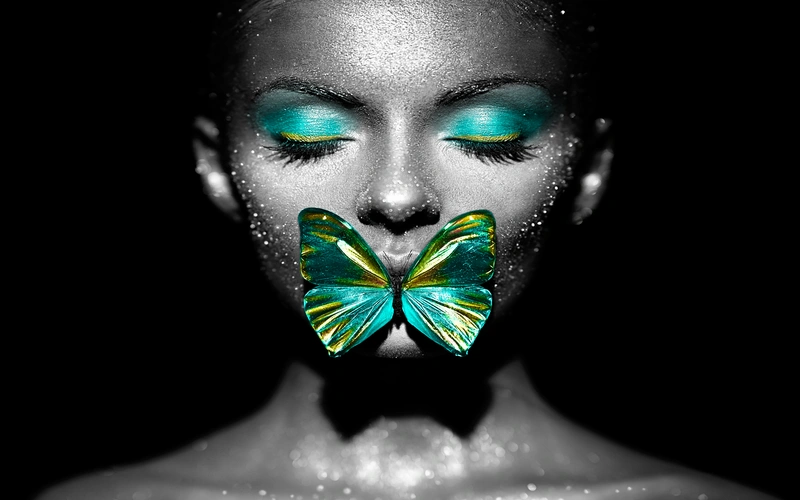
Trying different styles helps you find your own voice. A few worth exploring:
- Fine art portraiture: built around shape, line, and abstract concept
- Studies in form: close, considered compositions that highlight specific details or textures
- Conceptual fine art: combining props, styling, or storytelling around a bigger theme
Fine Art Photography Courses
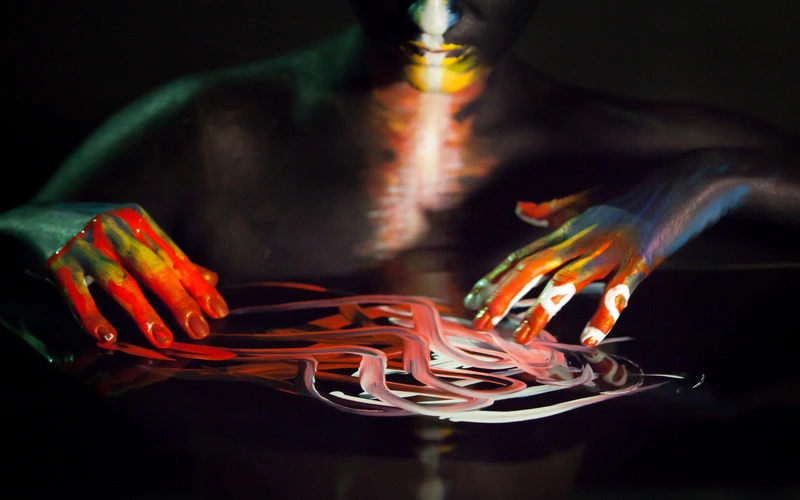
Finding a well-structured, professionally taught fine art photography course can be tough with so many options out there. This is why we’ve curated a list of standout online courses designed by experienced fine art photographers.
These courses cover everything from the basics to advanced technique: posing, lighting, composition, post-processing, and building a distinct creative style.
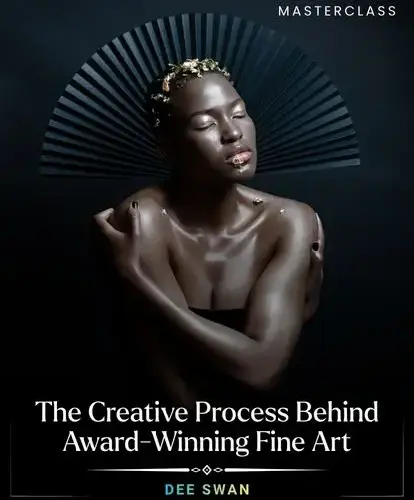
- The Creative Process Behind Award-Winning Fine Art
- Essential Artistic Photography Techniques
- Creating Fine Art With AI
- Create Fine Art Photography Magazines & Make Money From Them
- Fine Art Photography Editing: Color Grading Course by Dan Hecho
- Learn Fine Art Photography: Creative Lighting on a Budget
- Create Your Own Style In Fine Art Photography
- How To Shoot Fine Art Photography With Models By Dan Hecho
- Fine Art Photography Class: Theory & Technique
Fine Art Photography Books
Books and eBooks are another great way to build your skills and expertise in this genre. They can cover a wide range of areas: posing, lighting, shooting technique, post-processing, and editing across different software.
Finding the right book for your different needs is a challenging task since there are many options. Here are some of the categories that could be used while searching for a book:
Personal projects and stories: some photographers share their stories and experiences in their books. That is a unique way of gaining inspiration for one’s work.
Technical guides: are guides about the technical aspects of the fine art photography such as lighting, and developing photos. It is a great place to start for beginners.
Artistic books: are full of artistic inspiration and ideas. This category is perfect for those willing to explore the art of fine art photography further.
Books on historical perspectives: this category provides the readers with information on the history of the chosen type of photography, its relevance, and impact on society.
Posing and composition guides: are guides telling the readers how to instruct the models and how to compose the pictures to enhance their beauty, attractiveness, and expressiveness.
Ethics and professionals: are guides educating the reader on the professional and ethical aspects of the job and how to maintain professionalism while communicating with clients and during the work itself.
Cultural studies: this category is dedicated to the cultural and societal aspect of fine art photography. The books in this category can teach the readers about the role of fine art photography in society.
Wrapping Up – Fine Art Photography Courses, Resources & Books
These resources will help take you from a novice to an expert-level fine art photographer. The materials cover technical skills, creative approach, professional practices, and ways to represent a particular message.
Most importantly, it is critical to implement the obtained knowledge in your practice, experiment with different techniques and lighting, and try out new poses. All these skills will allow you to shape your unique style as a photographer.
In addition, it is vital to invest time and effort in interacting with other professionals. For instance, you may join online communities and post your photographs there to get advice and share your experience.
Furthermore, remember that practice makes perfect. Therefore, do not be afraid to make mistakes and learn from them. Instead, enjoy the creative process and immerse yourself in the fascinating world of photography.
Like this post? Check out more amazing photography ideas and resources on our blog.