



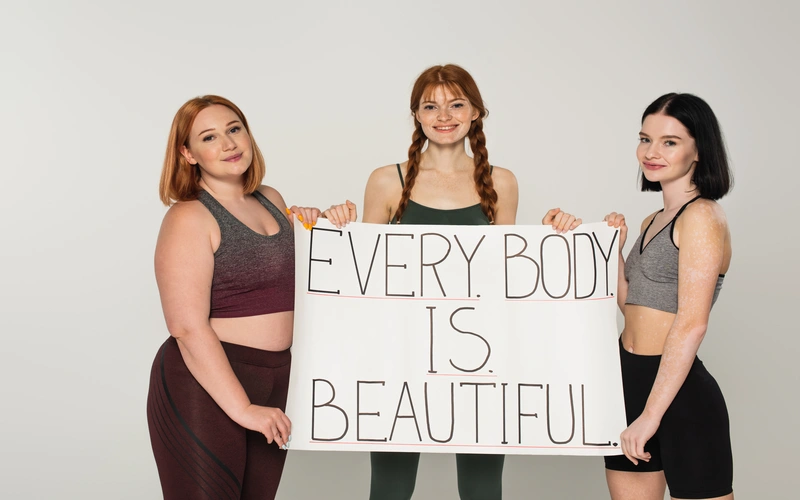
Most of us grew up seeing the same narrow idea of what a “good” body looks like. Photography has a real chance to change that. Body positive photography is about showing people exactly as they are and helping them feel proud of it, not hidden or corrected.
This isn’t a niche or a trend. It’s a genuine shift in how photographers approach a shoot, from the first conversation with a client to the final edit. Whether you’re new to body confidence photography or just want to sharpen your approach, this guide walks through what it actually takes to do it well.
Table of contents
What Is Body Positive Photography?
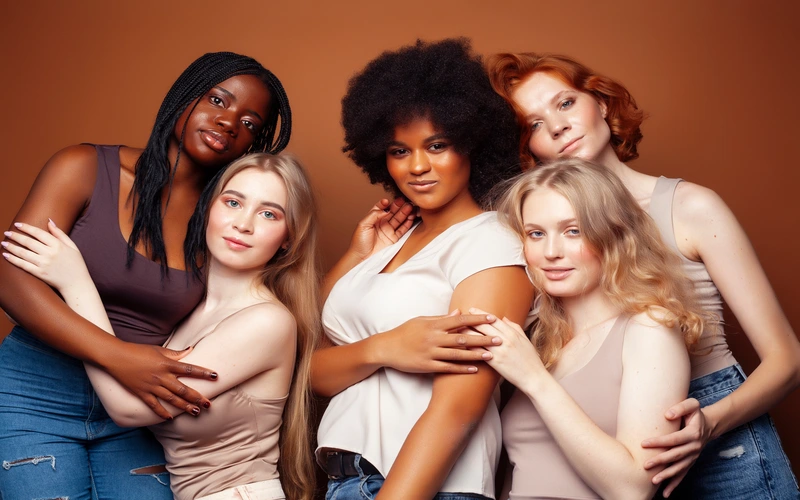
Body positive photography is exactly what it sounds like. It’s photography that celebrates bodies as they are, without pushing them toward one narrow standard of beauty. That means all shapes, all sizes, all ages, all abilities, all skin tones.
It isn’t about avoiding editing altogether or pretending flaws don’t exist. It’s about deciding, on purpose, not to chase an unrealistic ideal. The goal is to make the person in the photo feel seen and proud, not smaller or different than they actually are.
This kind of work shows up everywhere now, from personal portrait sessions to bigger campaigns and documentary-style projects. But the heart of it is the same no matter the scale. Real bodies, photographed with honesty and care.
Why Body Positive Photography Matters
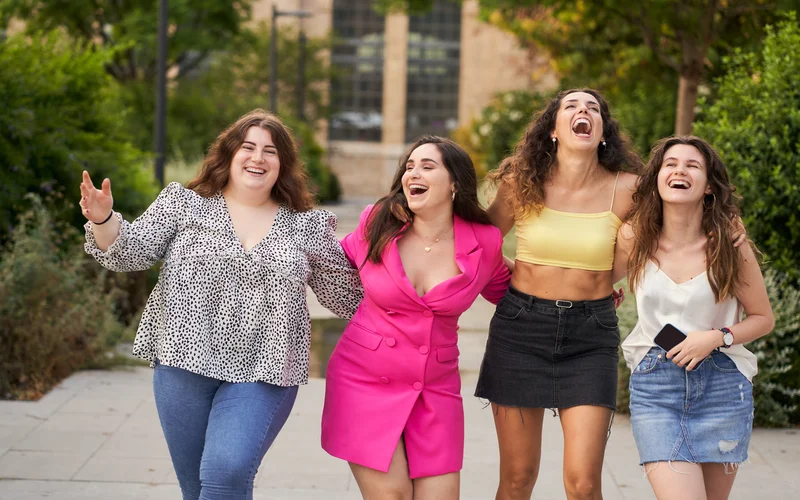
Most of us have spent years absorbing images that quietly tell us our bodies need fixing. Body positive photography pushes back on that, one photo at a time.
For a client, sitting for a body confidence photoshoot can genuinely shift how they see themselves. Seeing your own body photographed with care, instead of edited into someone else’s shape, is powerful. For a photographer, this kind of work also builds trust fast. People remember how you made them feel in front of the camera, long after they forget the technical details.
Also check out: Full Body Portrait Poses & Tips For Flattering Pictures
Planning a Body Positivity Photoshoot
1. Talk Before You Shoot
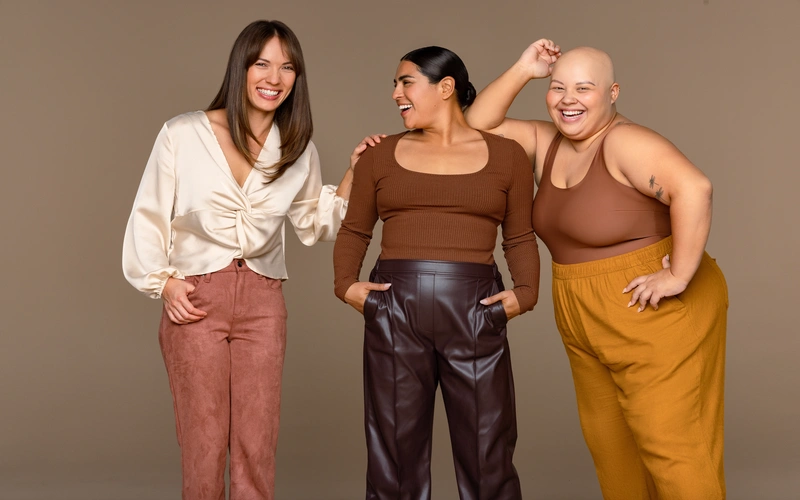
Every good body positivity photoshoot starts with a real conversation, not just a list of poses. Ask your client how they feel about their body, what they’re comfortable showing, and what they’d rather avoid. This isn’t just politeness. It’s what makes the whole shoot work.
2. Let the Client Choose What Feels Right
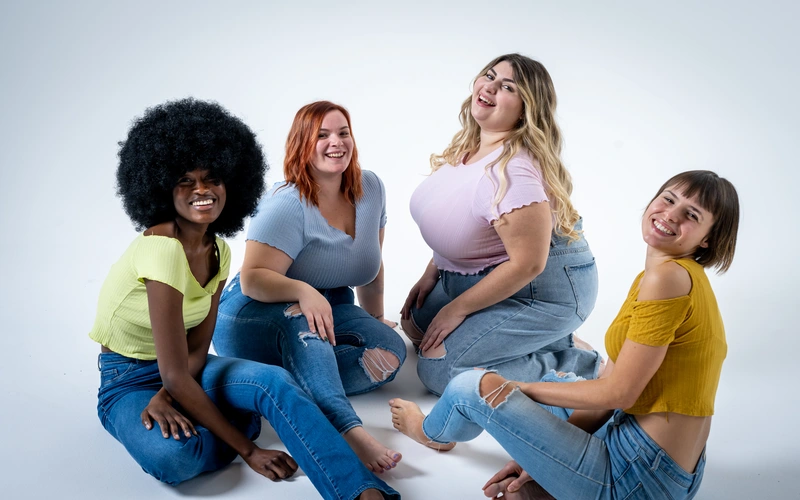
Some clients want soft, quiet portraits. Others want something bold and unapologetic. Neither is more “body positive” than the other. Let your client lead on tone, wardrobe, and how much they want to show. Your job is to support that choice, not steer it toward what you think will look best.
3. Ditch the “Flattering Angles Only” Mindset
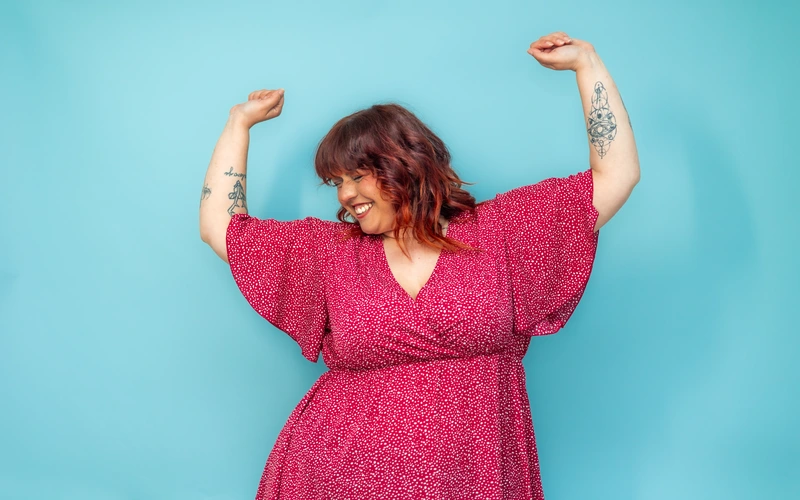
A lot of traditional posing advice is built around hiding things. Slimming this, minimizing that. Body positive photography asks you to let go of that instinct. Instead of hiding a stomach or arms, work with the body as it actually is. Confidence reads better in a photo than a forced “flattering” angle ever will.
4. Build a Safe, Judgment-Free Space
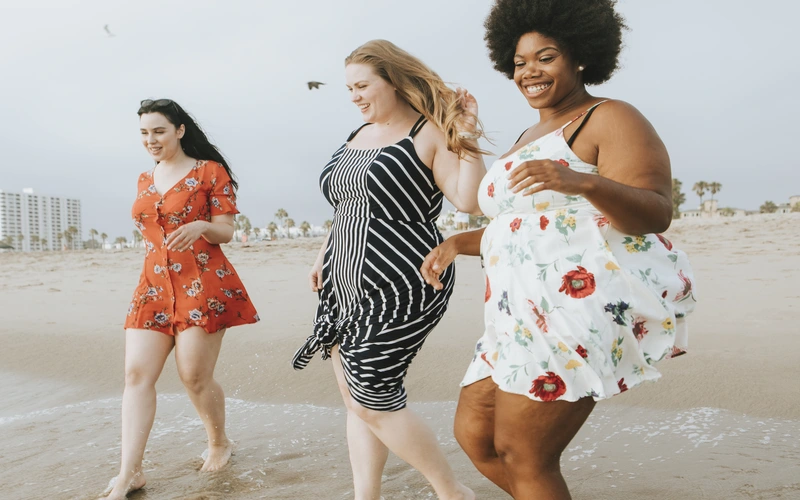
Nobody feels confident in front of a camera if they sense judgment, even a tiny bit. Keep your language neutral and warm throughout the shoot. Skip comments about weight, size, or how someone “used to look.” A relaxed set leads to natural, honest photos every time.
Also check out: Trendy Sitting Poses to Try at Your Next Photoshoot
5. Light for the Person, Not a Standard
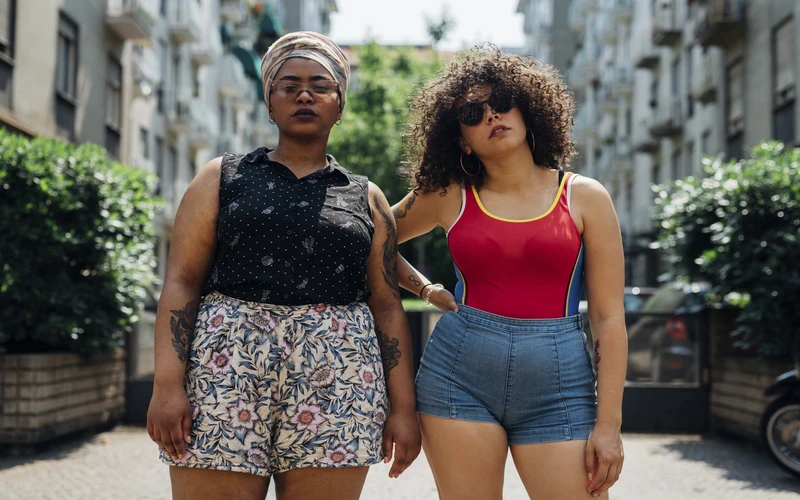
Photography lighting isn’t just technical. It’s emotional too. Soft, even light tends to feel welcoming and warm. Harsh side lighting can highlight texture in a way that either feels bold and intentional, or harsh and unflattering, depending entirely on how it’s used. Talk to your client about the mood they want, then light for that mood.
Posing Tips for a Body Confidence Photoshoot
Start With Movement, Not Stillness
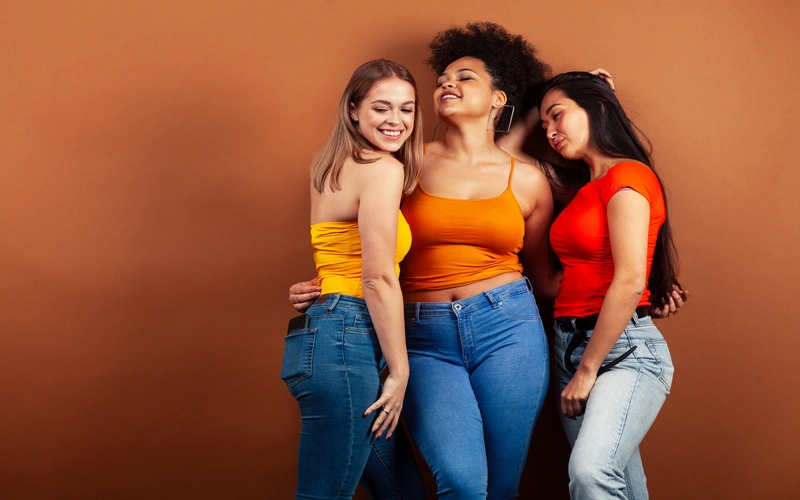
Stiff, static poses often look and feel forced. Have your client walk, sway, or shift their weight between shots. Movement naturally relaxes the body and tends to produce far more genuine expressions.
Show Real Expressions
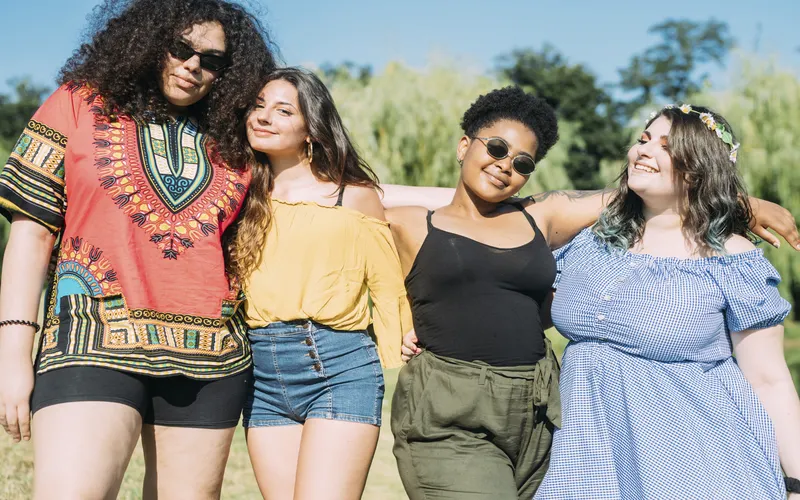
A body confidence photoshoot works best when the face matches the body. Encourage real laughter, real softness, real intensity, whatever feels true to the person in front of you. A confident expression can carry a photo even more than the pose itself.
Also check out: How to Smile for Pictures Without Looking Awkward
Avoid Poses That Hide the Curves
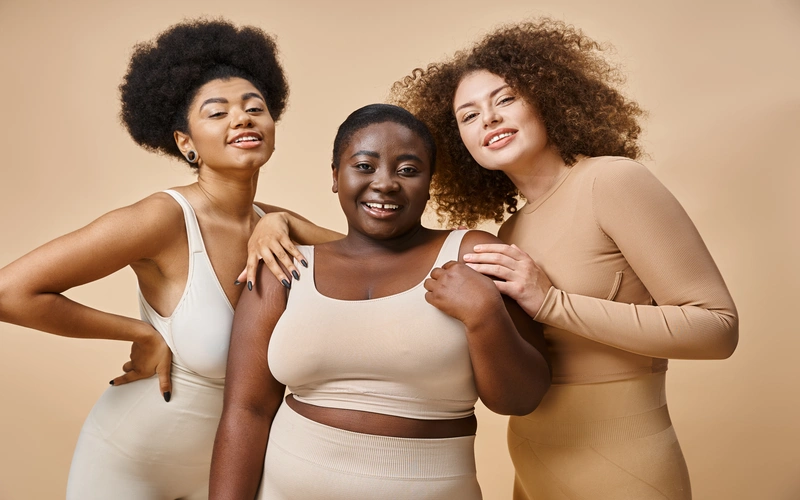
Crossed arms, hunched shoulders, and turned-away torsos often come from habit, not choice. Gently guide your client toward open, relaxed posture instead. It signals ease, and it usually looks better too.
Let Props and Setting Do Some of the Work
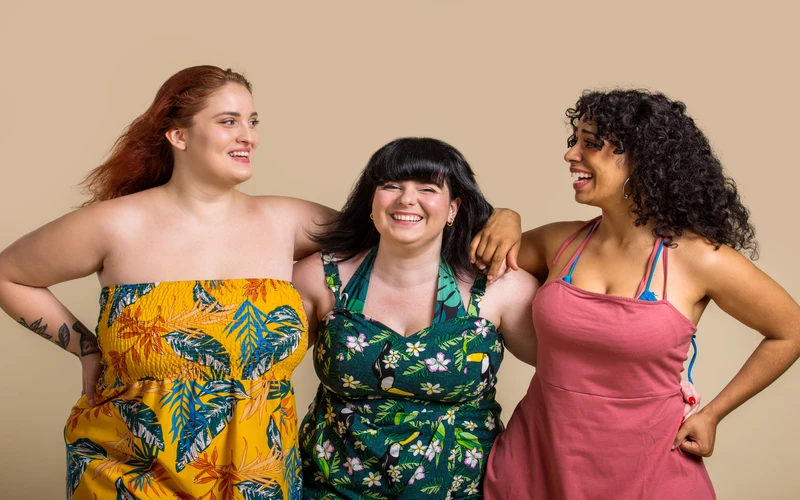
A chair, a wall, a window, even a simple fabric backdrop can give someone something to lean into, literally and figuratively. Props take pressure off “just standing there” and often help nervous clients settle into the shoot.
Editing With Honesty
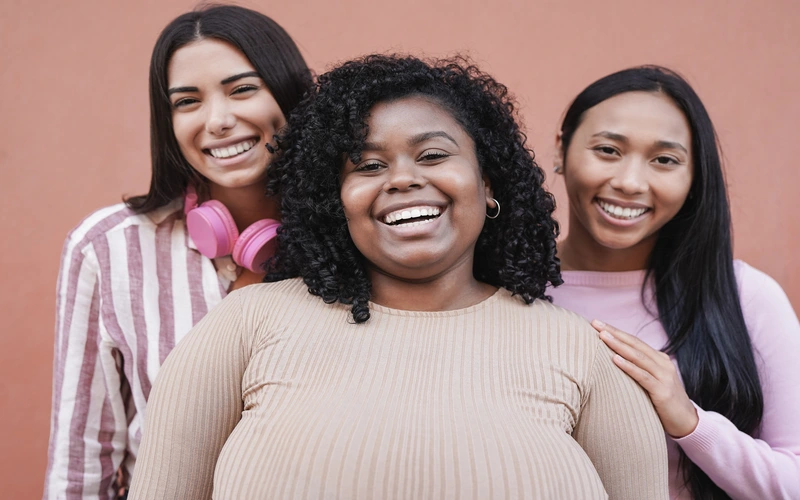
Editing is where a lot of the “body positive” promise quietly falls apart. Smoothing every texture, slimming every curve, or erasing every stretch mark undoes the whole point of the shoot.
That doesn’t mean no editing at all. Basic color correction, exposure fixes, and cleanup are completely fine. The line to watch is reshaping the body itself. If an edit changes how someone’s body actually looks, it’s worth asking whether that’s really necessary, or whether it’s an old habit sneaking back in.
Working With All Kinds of Bodies
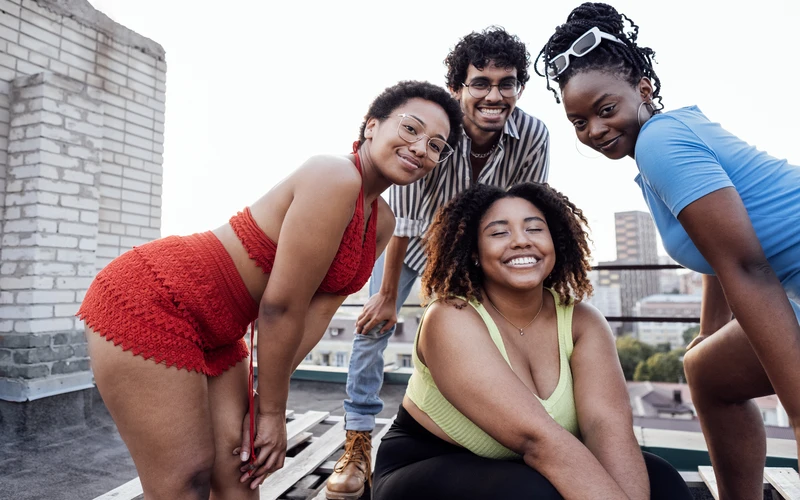
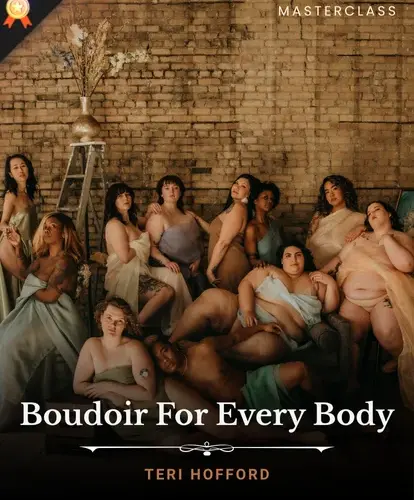
Body positive photography only works if it actually includes everyone. That means photographing different sizes, ages, skin tones, and abilities, not just featuring one or two “acceptable” body types alongside a token example of diversity.
If most of your portfolio looks the same, it’s worth asking why. Seek out clients and collaborators who don’t look like your usual subject. It’ll make your body confidence photography stronger, and it’ll make the work mean more too.
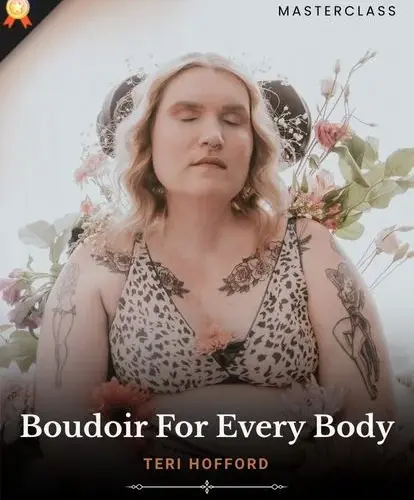
Also check out our masterclass: Boudoir For Every Body Through An Inclusive Lens
Parting Thoughts on Body Positive Photography
Body positive photography isn’t about a filter or a style. It’s a mindset that shows up in how you talk to your client, how you pose them, how you light them, and how far you take the edit afterward.
Get those things right, and the technical side takes care of itself. What’s left is a photo someone can actually look at and feel proud of, which is really the whole point.
Like this post? Check out more inspiring content on our photography blog.
FAQs on Body Confidence Photography
Q.1 What exactly is body positivity?
Body positivity is a social movement and mindset that encourages people to accept and love all human bodies, regardless of size, shape, skin tone, gender, or physical ability
Q.2 Are Gen Z more body-positive?
Generation Z shows a complex mix of championing body acceptance while simultaneously feeling fatigued or critical of traditional body-positivity messaging.
Q.3 How do you prepare a client for a body positivity photoshoot?
Start with an honest conversation about their comfort level, what they want to show, and what they’d rather avoid. Preparation is as much emotional as it is technical.
Q.4 Is editing allowed in body positive photography?
Basic corrections like exposure and color are fine. Reshaping a body through heavy retouching goes against the point of the shoot.
Q.5 Do you need special equipment for a body confidence photoshoot?
No. Any setup you’d use for a regular portrait session works. What matters more is how you direct and talk to your client.
Q.6 What’s another word for body positivity?
Synonyms for body positivity include body confidence, body acceptance, body love, and self-acceptance.