


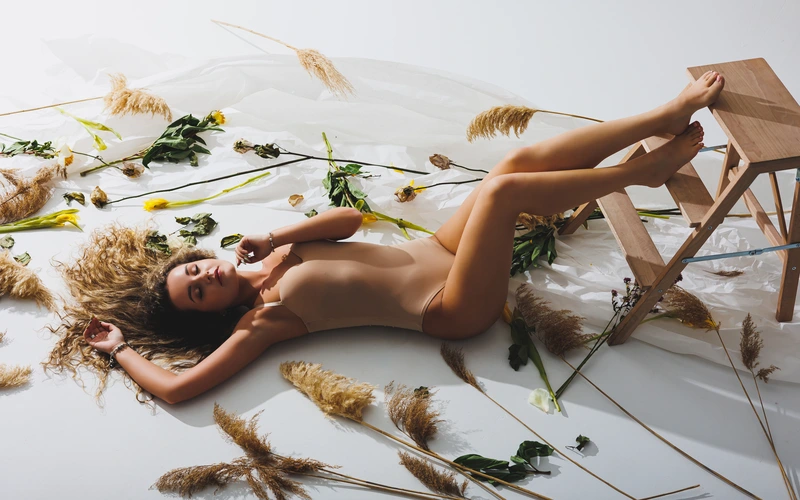
Looking for ways to take your modern figure photography to the next level? Capturing the human form is an art that combines creativity, technique, and a strong understanding of composition.
In this guide, we’ll explore practical techniques to help you create more compelling fine art portrait photography and bring a fresh perspective to your work. From creative lighting to thoughtful posing, these approaches can help you create expressive and visually engaging images.
Techniques such as those shared in these model posing tips can help you create natural poses, stronger compositions, and more confident portraits.
Table of contents
- 1. Body Art & Body Paint
- 2. Create Shapes & Geometry in Fine Art Photography
- 3. Use Minimalist Compositions In Fine Art Photography
- 4. Cultural & Historical References
- 5. Focus on body poses & lines In Fine Art Photography
- 6. Capture Authentic Emotions
- 7. Body positivity & diversity
- 8. Urban Environments
- 9. Natural Landscapes
- 10. Shadows & Silhouettes
- 11. Underwater Fine Art Photography
- Conclusion
- FAQs
1. Body Art & Body Paint
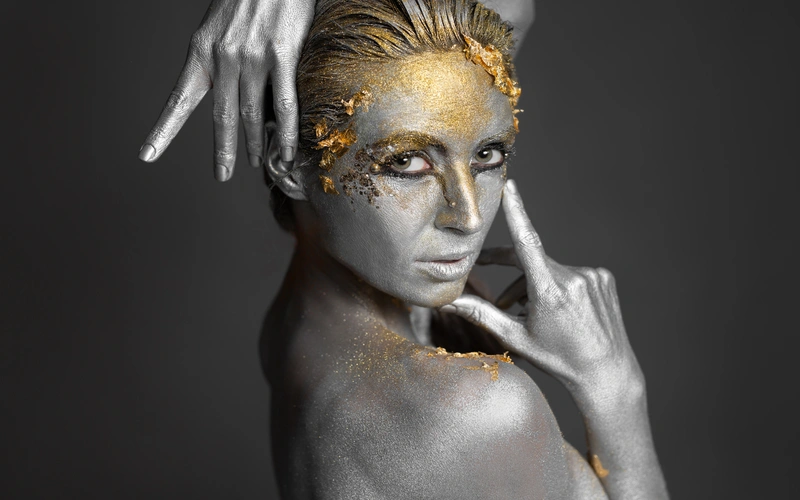
Collaborate with body artists or experiment with body paint to create unique and striking compositions. Transform the human canvas into an artistic masterpiece.
The unique designs and colors of body paint can enhance the beauty and emotion of your photos, while allowing you to express your creativity in new ways. By using the body as a canvas for art, you can create unforgettable and one-of-a-kind images that are sure to stand out.
2. Create Shapes & Geometry in Fine Art Photography
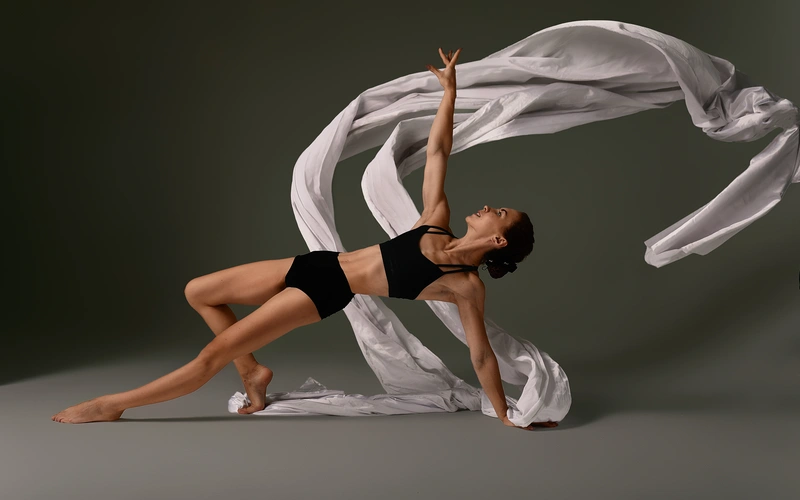
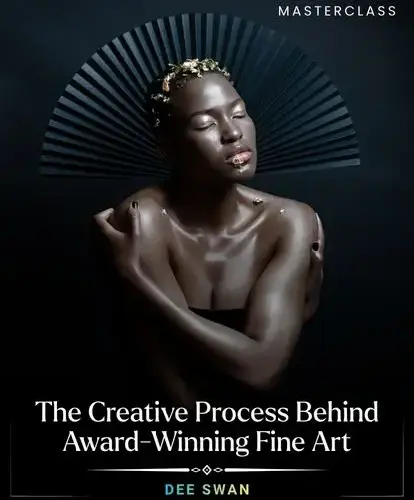
Focus on the geometric aspects of the human body by emphasizing symmetry, lines, curves, and angles. These elements can help create visually engaging and abstract compositions.
Using shape, form, and perspective thoughtfully is one of the most effective fine art photography tips for creating distinctive human figure photography with a strong artistic quality.
Explore self-portrait photography tips to experiment with posing, framing, and creative perspectives when working with a single subject
3. Use Minimalist Compositions In Fine Art Photography
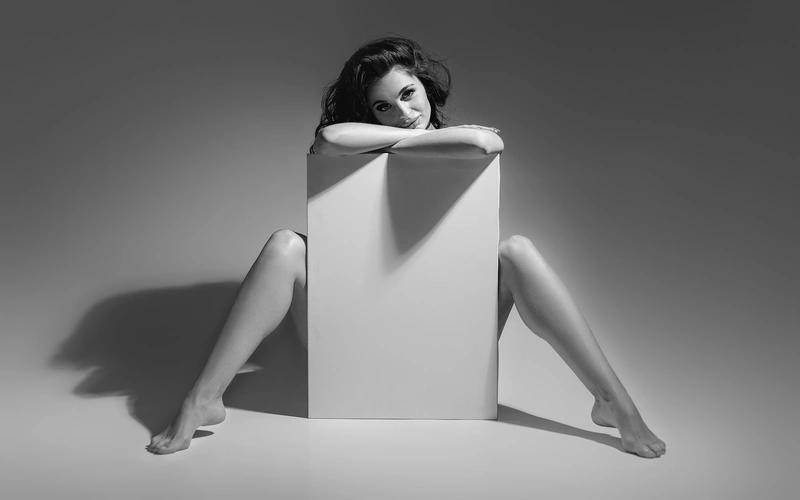
Embrace simplicity and minimalism in your figure photography by keeping the focus on the subject and reducing visual distractions. Clean backgrounds and thoughtful framing can create powerful, impactful images.
Avoid overly elaborate poses that take attention away from the subject. Instead, focus on natural poses, subtle movements, and genuine expressions that communicate emotion and strengthen the artistic quality of the photograph.
4. Cultural & Historical References
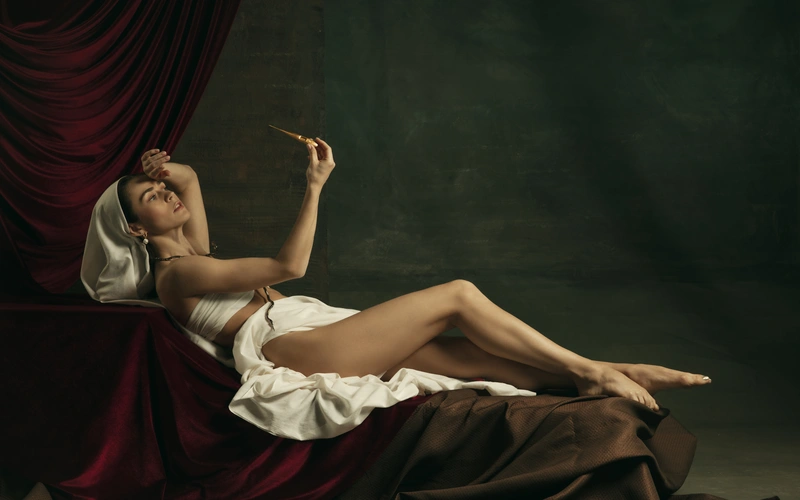
Explore the connection between the human form and cultural or historical references. Traditional clothing, meaningful props, and distinctive settings can add depth and storytelling to your compositions.
Use these elements to explore themes of identity, heritage, and tradition. Drawing from folklore, mythology, or cultural history can help you create images with a strong narrative and visual character.
Explore different photo poses for every occasion to find approaches that complement the theme, setting, and story of your fine art portrait photography.
5. Focus on body poses & lines In Fine Art Photography
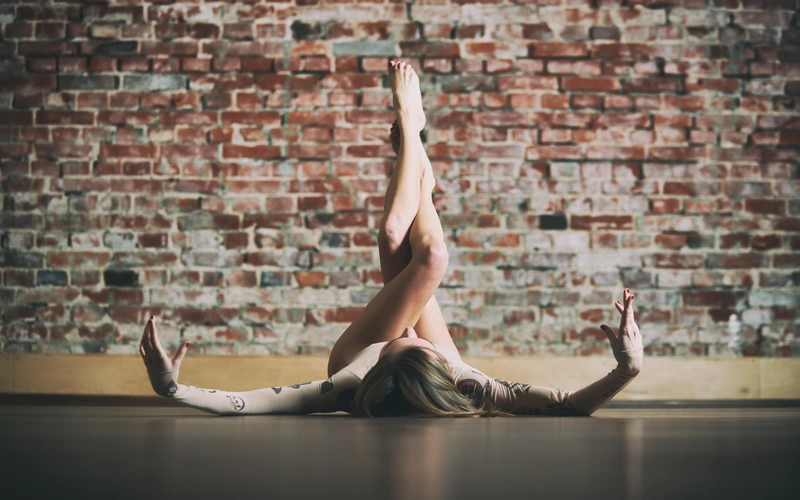
Experiment with standing, sitting, lying down, or moving to create dynamic shapes and lines. Use model posing tips and photo poses for every occasion to explore different body positions and improve visual flow.
Vary the angle, posture, and framing to keep each composition visually interesting. Small changes in body position can create a completely different mood and perspective.
Pay attention to how the pose interacts with the background, lighting, and surrounding space. This helps create balanced images with stronger visual impact.
6. Capture Authentic Emotions
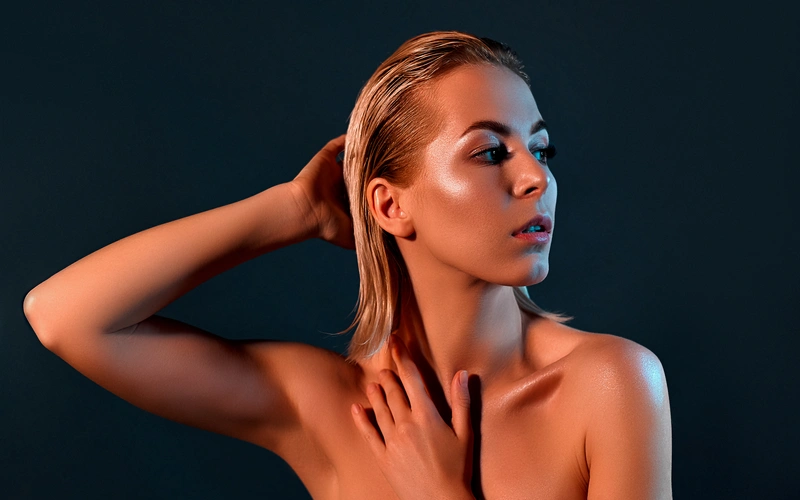
Encourage your subjects to express genuine emotions and let their personalities come through naturally. Candid moments can often create more authentic and engaging photographs.
Involve your subjects in the creative process by asking for their ideas and preferences. When they feel comfortable and included, their expressions can appear more natural and help create meaningful photographs.
Pay attention to subtle expressions, gestures, and interactions throughout the session. These small details can add depth and strengthen the visual story of your fine art photography.
7. Body positivity & diversity
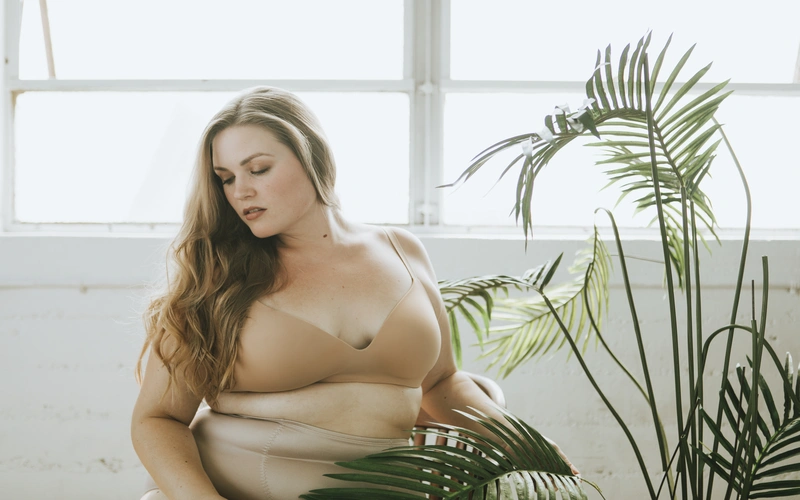
Celebrate the beauty of diverse body types and challenge traditional beauty standards through thoughtful human figure photography. Representing different individuals can promote inclusivity and create more authentic visual stories.
Meaningful images can encourage self-acceptance and highlight the unique qualities of each subject. Experimenting with settings and concepts, such as those in these indoor creative photography ideas, can also help create expressive compositions.
8. Urban Environments
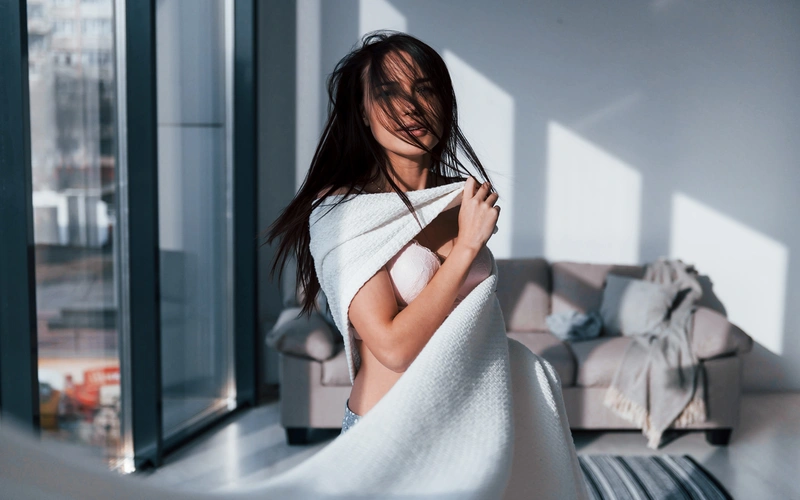
Explore the contrast between the human form and the built environment. Incorporate architecture, city streets, or modern structures to create a distinctive urban feel.
Experiment with nighttime photography to capture city lights, neon signs, and the contrast between darkness and artificial illumination. These elements can add depth and atmosphere to your compositions.
Consider how lines, shadows, and reflections interact with the subject. Combining these elements can create balanced, visually striking fine art photographs.
9. Natural Landscapes
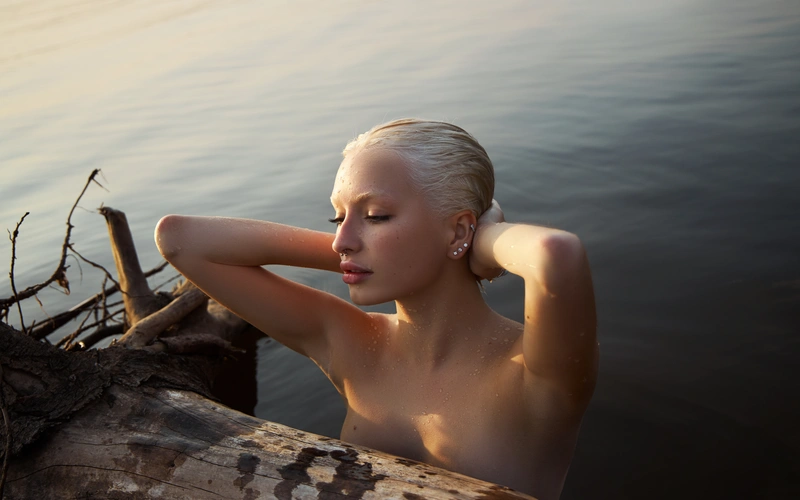
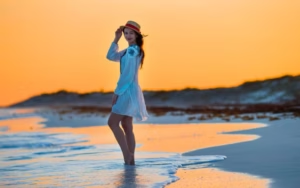
Combine the beauty of the human form with natural surroundings such as forests, mountains, beaches, or lakes. These settings can add depth, texture, and visual interest to your compositions.
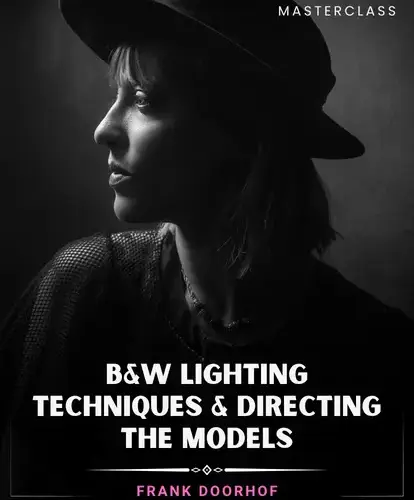
Different seasons can transform the environment with changing colors, textures, and light. You can also experiment with black-and-white photography to create a timeless, artistic mood.
Exploring current photography trends can provide fresh ideas for combining natural landscapes with creative figure photography.
10. Shadows & Silhouettes
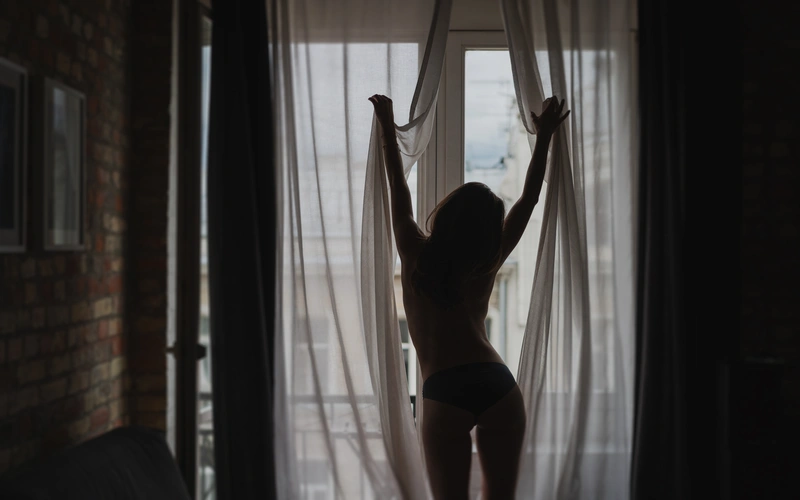
Position your light source behind the subject to create a strong backlight. This technique allows light to pass around the figure, illuminating the edges and creating a striking shadow effect.
Experiment with different lighting setups, including natural light, studio lighting, or simple sources like a flashlight or lamp. These photography tips can help you refine light, shadows, and overall composition for more creative results.
11. Underwater Fine Art Photography
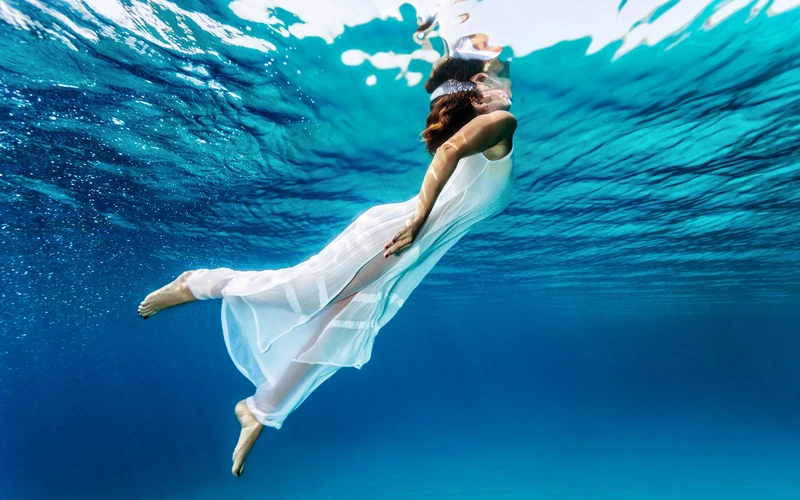
Underwater figure photography can be challenging but rewarding, requiring practice and experimentation. Take your photography beneath the water’s surface, where the subject can float and interact naturally with the aquatic environment.
This unique setting adds a surreal quality to the images and creates a sense of weightlessness. Using unity in photography can also help bring the subject, surroundings, and visual elements together into a cohesive composition.
Conclusion
As a photographer, you have the opportunity to inspire, spark curiosity, and celebrate the human form through creative and thoughtful imagery. Fine art photography allows you to explore shape, emotion, light, and composition in unique ways.
Keep experimenting with different poses, lighting setups, locations, and perspectives while respecting your subjects’ comfort, privacy, and boundaries. With practice and a strong creative vision, you can create expressive images that leave a lasting impression.
Did you find this blog helpful? Feel free to reach out to us if you have any questions, comments, or feedback.
To explore more photography guides and creative ideas, visit our BLOG PAGE!
FAQs
- What makes a photograph a fine art photograph?
Fine art photography is guided by the photographer’s creative vision, using composition, light, mood, and storytelling to express an idea or emotion - What is the difference between fine art and portrait photography?
Traditional portrait photography often focuses on capturing the subject, while fine art portrait photography places greater emphasis on concept, emotion, storytelling, and artistic interpretation. - How do you make a portrait look artistic?
Use intentional lighting, creative composition, meaningful styling, and controlled backgrounds. Small changes in framing and perspective can also give portraits a more artistic feel. - What type of lighting is best for fine art photography?
Natural light, window light, and controlled studio lighting can all work well. The best choice depends on the mood, shadows, and visual story you want to create. - How do you create a mood in fine art photography?
Lighting, color, composition, styling, and location can all influence mood. Using these elements consistently helps create a stronger visual atmosphere. - What camera settings are best for fine art portraits?
There is no single ideal setting. Aperture, shutter speed, and ISO should be adjusted based on the lighting, subject movement, and depth of field you want. - How can photographers make human figure photography more creative?
Experiment with unusual perspectives, silhouettes, shadows, movement, negative space, and environmental settings to create more expressive compositions. - What should I consider when planning a fine art photography shoot?
Start with a clear concept, then consider the location, lighting, styling, posing, and color palette. Planning these elements together helps create a cohesive visual story.