



Photography is a potent artistry that enables us to seize instants, sentiments, and the splendor of the globe surrounding us.
Within this domain, two notable styles emerge- portrait and landscape photography. Each presents an individual vantage point, displaying the skills and perspective of photographers in distinct manners.

The argument about which is more enthralling has ignited numerous debates among enthusiasts and experts alike.
In this piece, we will plunge into the virtues of both portrait and landscape photography. We will investigate the strong points of portrait vs landscape photography and the feelings they elicit, ultimately striving to illuminate which style might have the upper hand.
Table of contents
- What is Portrait and Landscape Photography?
- Techniques in Portrait and Landscape Photography
- Key Difference Between Portrait Vs Landscape Photography
- 4. Horizontal vs. Vertical Orientation
- Portrait Vs Landscape Photography: Which is Better?
- How You Can Improve Your Photography
- Wrapping Up
- Frequently Asked Questions
What is Portrait and Landscape Photography?
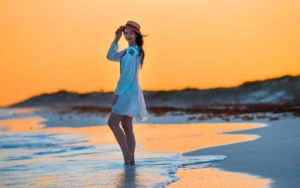
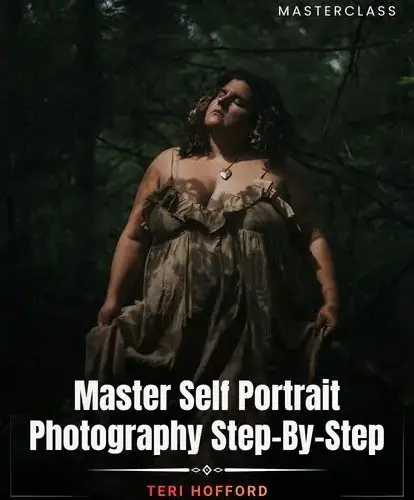
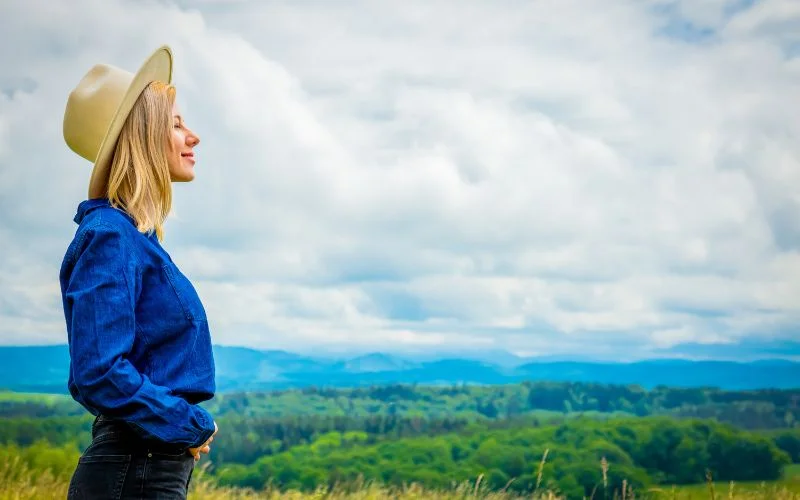
Portrait photography aims to seize the core of individuals, exploring their feelings and distinct characteristics.
It involves positioning the subject within the frame, employing methods like the rule of thirds and leading lines. Illumination is regulated to highlight facial attributes and establish a particular ambiance.

Conversely, landscape photography aspires to capture the splendor of natural surroundings, including features like peaks, woodlands, and water bodies.
This encompasses organizing components within the frame and depends on natural lighting conditions for impactful effects.
Read on to learn more about the differences and techniques of portrait vs. landscape photography.
Elevate your portraiture skills with these portrait photography resources & tips.
Techniques in Portrait and Landscape Photography
1. Subject Interaction
In portrait photography, the focal point is the subject. Immortalizing the subject’s character’s emotions, expressions, and nuances is paramount.
The interplay between the photographer and subject and the subject’s ease and assurance is pivotal in creating a captivating portrait.
On the other hand, in landscape photography, the subject is the surrounding environment. The photographer must grasp how natural components harmonize with light, weather, and the time of day.
Patience and timing are essential in seizing the ideal instant when all elements synchronize seamlessly.
2. Technical Proficiency
While we are debating on portrait vs landscape photography, both categories demand skill in methodology, but the focus differs.
Portrait photography necessitates expertise in lighting techniques to highlight facial characteristics, govern shadows, and set the atmosphere.
On the flip side, landscape photography requires a deep comprehension of camera configurations, particularly aperture, shutter speed, and ISO, to seize the detailed intricacies of vast scenes.
3. Background Selection
In portrait photography, selecting the backdrop is crucial for creating an engaging image. The background complements the subject, offering context and enhancing the narrative.
It can be adjusted to isolate the subject or introduce depth and texture to the composition. A thoughtfully chosen backdrop can elevate a portrait from typical to extraordinary.
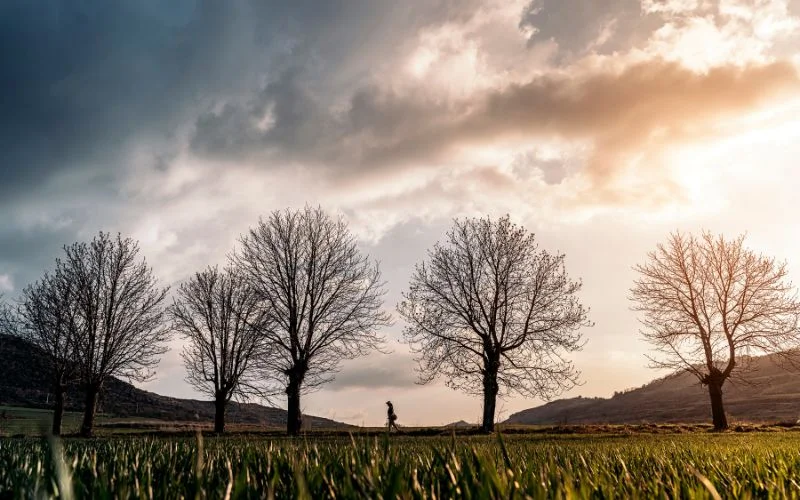
On the contrary, landscape photography places significant emphasis on the natural environment. Here, the setting is not just a canvas but the core of the image itself.
Key Difference Between Portrait Vs Landscape Photography
1. Subject Matter
Landscape photography primarily centers on immortalizing the expansiveness and splendor of natural surroundings.
It strives to exhibit the magnificence of landscapes, encompassing elements like mountains, woodlands, rivers, and other innate features.
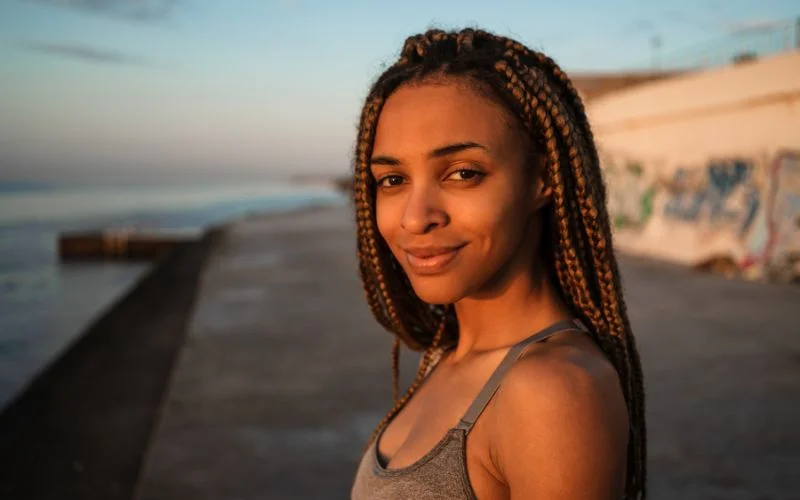
Conversely, portrait photography revolves around individuals. Its goal is to accentuate the photographed subjects’ distinct expressions, sentiments, and characters.
2. Composition
In landscape photography, the composition technique entails orchestrating the diverse components within the frame to craft a visually captivating and harmonious image.
Aspects like guiding lines, foreground fascination, and pivotal points steer the viewer’s gaze through the picture, seizing the immensity and loveliness of the natural realm. Portrait photography, conversely, focuses on framing the subject within the frame.
3. Lighting Techniques
Landscape photography leans heavily on natural lighting circumstances.
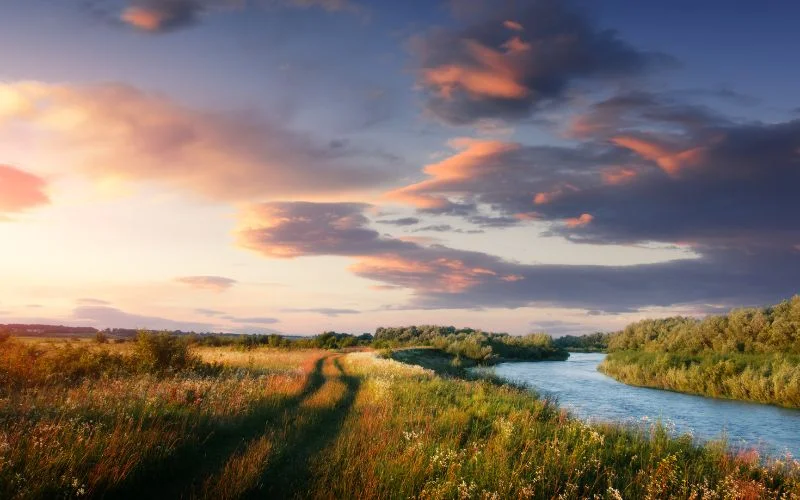
It encompasses capturing the interplay of light across the landscape, particularly during golden hours or when distinctive weather conditions produce remarkable lighting effects.
In contrast, portrait photography underscores the control and manipulation of light sources.
4. Horizontal vs. Vertical Orientation
Horizontal and portrait orientation are core disparities in photography, establishing the aspect ratio or image arrangement.
Portrait photography generally applies a vertical alignment, or portrait mode, to underscore subjects’ stature, facial expressions, and closeness.
It coincides with the innate vertical positioning of the human figure, rendering it excellent for portraits.
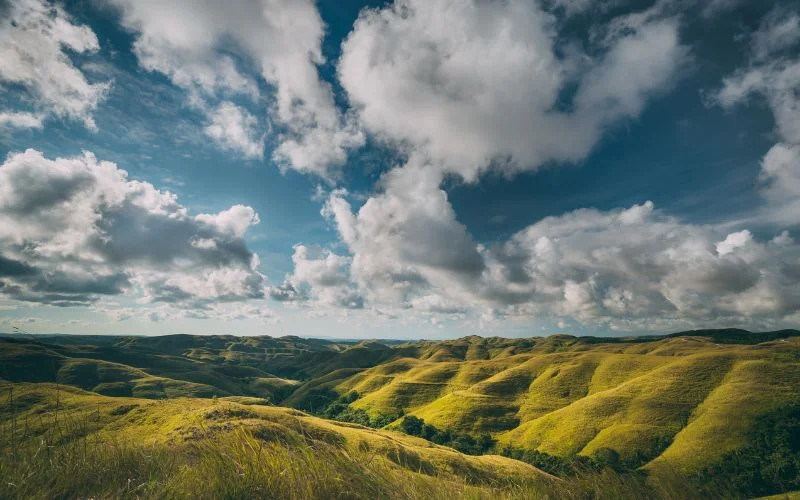
In contrast, landscape photography mainly employs a horizontal alignment, or landscape mode, to record extensive panoramas, displaying the magnificence of natural settings, from peaks to coastlines.

Portrait Vs Landscape Photography: Which is Better?
| Aspect | Portrait Photography | Landscape Photography |
|---|---|---|
| Main Focus | People, faces, and emotions | Nature, scenery, and wide views |
| What Captivates Viewers | Emotional connection and expressions | Sense of scale, beauty, and calm |
| Storytelling Style | Personal and intimate | Grand, peaceful, or dramatic |
| Creative Control | High – you can pose and direct the subject | Limited – depends on weather and location |
| Lighting Needs | Often controlled lighting (natural or studio) | Mostly natural light |
| Timing Importance | Flexible, can be done anytime | Very important (golden hour, seasons) |
| Equipment Preference | Portrait lenses, lighting gear | Wide-angle lenses, tripod |
| Skill Emphasis | Working with people and emotions | Composition, patience, and timing |
| Emotional Impact | Strong human connection | Visual awe and serenity |
| Best Suited For | Photographers who enjoy people | Photographers who love nature and travel |
Portrait photography might be better than landscape photography as it is frequently preferred for its capacity to encapsulate the core of individuals, delving into their emotions and distinctive attributes.
It furnishes a stage for narrating through human expression, affording a profound connection between the subject and the observer. Numerous photographers discover gratification in provoking sincere and genuine emotions from their subjects.
How You Can Improve Your Photography
a. Understand Lighting Techniques
In portrait photography, proficiency in handling light is crucial. Varied lighting arrangements, including natural light, studio illumination, and off-camera flash, profoundly impact the ambiance and appearance of a portrait.
Comprehending the art of maneuvering light sources and their angles enables photographers to accentuate facial features, manage shadows, and craft a particular atmosphere in their portraits. In landscape photography, capturing the innate interplay of light is essential.
b. Build a Rapport with Subjects
Fostering trust and ease with portrait subjects is crucial for evoking sincere and genuine expressions.
This entails proficient communication, attentive listening, and cultivating a calm ambiance during the shoot.
The bond between photographer and subject enables a more unforced depiction of the individual’s character, yielding compelling portraits.
If you love photographing nature and new destinations, this learning path can help you become a more confident landscape photographer.
Wrapping Up
Ultimately, the enchanting essence of photography dwells not in the category itself but in the viewpoint and proficiency of the photographer.
Portrait and landscape photography present distinct chances for imaginative expression and heartfelt attachment.
The choice between the two ultimately relies on the photographer’s perspective and the tales they aspire to convey.
Frequently Asked Questions
Q.1 Is portrait or landscape photography better?
Ans. Neither style is universally better. Portrait photography is well suited to photographers who enjoy working with people and capturing emotions, while landscape photography is ideal for those who enjoy nature, travel, composition, and working with changing outdoor conditions. The better choice depends on the photographer’s interests and the story they want to tell.
Q.2 Why is portrait photography usually vertical?
Ans. Portrait photography commonly uses a vertical orientation because it complements the shape of the human body and helps emphasize a person’s face, expressions, height, and presence within the frame. However, portraits can also be photographed horizontally when the composition or storytelling benefits from a wider frame.
Q.3 Why is landscape photography usually horizontal?
Ans. Landscape photography commonly uses a horizontal orientation because the wider frame helps capture expansive scenes such as mountains, coastlines, forests, and other large environments. Horizontal framing can also help establish a sense of scale and show relationships between different elements in a scene.
Q.4 Can you take landscape photos in portrait orientation?
Ans. Yes. Landscape photos do not have to be horizontal. A vertical composition can work particularly well for scenes with strong foreground-to-background depth, tall mountains, waterfalls, trees, or other vertically oriented subjects. The best orientation depends on how you want to frame and tell the story of the scene.
Q.5 What is more important in portrait photography: lighting or composition?
Ans. Both are important, but lighting plays a particularly significant role in portrait photography because it can shape facial features, control shadows, and establish the mood of the image. Composition remains essential for positioning the subject and creating a visually balanced photograph.
Q.6 What is the most important skill in landscape photography?
Ans. Strong composition, patience, and timing are particularly important in landscape photography. Photographers need to understand how elements such as light, weather, foreground interest, leading lines, and focal points work together to create a compelling scene.