



Boudoir photography has always had an evolving history, influenced by changing views on portraiture, personal expression, fashion, and visual storytelling; we can observe the way photographic techniques, posing, lighting, and creative perspectives have developed over time.
Since the early days of studio portraits up to today’s boudoir photography, the genre has experienced great changes as a result of progress in camera technology and the evolution of methods used in portraiture. These changes are also a reflection of the wider shift that has taken place over the years in terms of posing and visual styles.
Let us go on a journey through time in order to look at the origin and development of boudoir photography.
Evolution Of The Genre & Boudoir Photography
- The Early History of Boudoir Photography and Changing Social Norms
- 1800s – Pioneers and Challenges
- The Early 1900s – Artistic Movements and Shifting Attitudes
- From Art to Commercialization: 1920s to 1950s
- The Mid 1900s – Emergence Of Glamour & Pinup Photography
- The Late 1900s – Changing Attitudes and Body Positivity
- The Digital Revolution: 1980s to 2000s
- Digital Age and Accessibility
- 21st Century – Contemporary Approaches and Artistic Vision
- Boudoir Photography in the Social Media Era
- Legal and Ethical Considerations:
- Conclusion: The Origin and Evolution of Boudoir Photography
- FAQs
The Early History of Boudoir Photography and Changing Social Norms
Boudoir photography started to develop alongside the rise of studio portrait photography in the 19th century; as the field evolved, photographers began to explore various techniques for creating meticulously arranged portraits through controlled settings, intentional posing, and the innovative photographic methods that became available.
The early stages of portrait photography were significantly influenced by the societal norms of the time, with modesty, fashion, and personal appearance playing key roles in how subjects were styled and captured, as advancements in lighting techniques granted photographers greater control over the ambiance and focus of their images.
Over time, the diverse techniques used in portraiture allowed for the emergence of more personal and expressive forms of photography. This progressive change laid some of the groundwork for the visual style and
1800s – Pioneers and Challenges
In the 1800s there was a significant phase in the development of portrait photography during which pioneers tried out different movements, compositions, studio lighting, and well-arranged photographic poses. As a result the potential of the photographic medium was extended.
Photographers like Eadweard Muybridge became famous for their work on movement and on sequences of images, while others focused on studio portraits that were carefully arranged. Their contributions played a part in the general history of photography and had an impact on the evolution of more expressive portrait styles in later years.
Muybridge conducted his innovative studies of human motion in the last century. His main idea was to use a series of photographs in order to observe the specific movements and positions of people and animals. The process allowed to catch all the details of motion that were impossible to be observed in one picture.
Besides, the other pioneer of portrait photography, Auguste Belloc, also made significant contributions to the development of the new way of photography. He worked a lot with developing photographic processes and creating unique studio portraits. In combination with Muybridge’s experiments, their efforts opened the way for future photographers, so that they could look for new ways of portraying the human figure.
The Early 1900s – Artistic Movements and Shifting Attitudes
As the twentieth century approached its end, art movements such as Surrealism and Modernism were questioning the status quo and taking art in an unprecedented direction. Not only was photography acknowledged as a valid form of art but it also provided the canvas for artistic self-expression.
Boudoir photography became a way for photographers to portray a particular mood, specific styling, overall image composition, and creative visual storytelling.
Photographers like Edward Weston, Man Ray, and Imogen Cunningham pushed the boundaries of the genre, capturing the human body in abstract, innovative, and thought-provoking ways.
From Art to Commercialization: 1920s to 1950s
The early twentieth century witnessed a number of significant shifts in portrait photography on both commercial and artistic levels. As the new movement of Modernism was gaining ground, photographers such as Edward Weston and Man Ray were experimenting with the means of artistic expression and rejecting the established canons of soft-focused pictorialism. The new generation of artists actively used the contrasting elements of form and space to create their original compositions.
In the 1950s, photography became a part of popular culture as it appeared in pin-up calendars and magazines. The boudoir photography of the 1950s provided the public with a wider range of pictorial expression. Moreover, it laid the foundation for the so-called retro photography and its distinctive styles.
The Mid 1900s – Emergence Of Glamour & Pinup Photography
In the 1940s and 1950s, the glamour and pin-up styles became popular due to Hollywood’s stars and the booming of popular magazines. During this period, the focus was on stylized photography with prominent lighting and well-composed figures.
Moreover, the epoch produced such icons as Marilyn Monroe and Bettie Page and such talented photographers as George Hurrell and Bunny Yeager who discovered how to put together the perfect picture with carefully styled poses and aesthetics.
However, it’s important to note that glamour and pin-up photography primarily catered to the male gaze and often reinforced traditional gender roles and stereotypes.
The Late 1900s – Changing Attitudes and Body Positivity
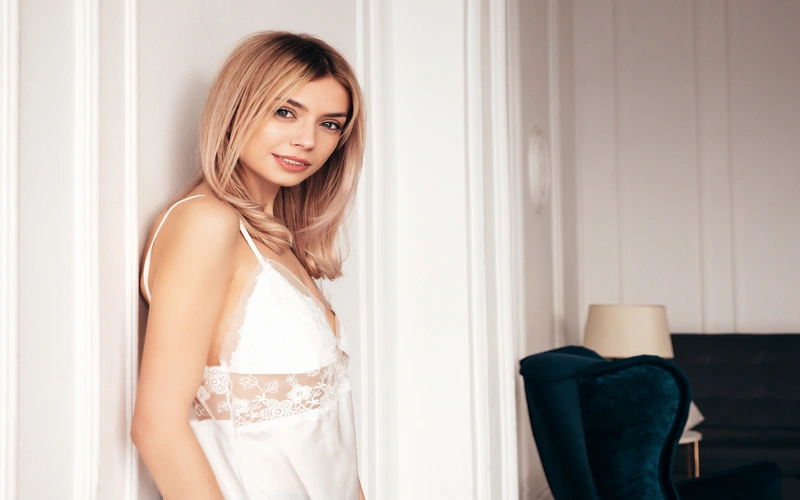
The 1960s and 1970s were a time of both the feminist movement and a changing attitude towards identity and self-expression.
These trends had an effect on the approach to portrait photography, deconstructing conventional concepts of beauty, personal style and representations, and allowing for a more personalized kind of visual communication.

Artists of photography such as Robert Mapplethorpe and Annie Leibovitz were the ones who went against the stream, experimented with the means of portrait photography, and emphasized the importance of diversity in the art of portrait photography, which, along with the development of specific techniques, has made a significant contribution to the evolution of this genre.
The Digital Revolution: 1980s to 2000s
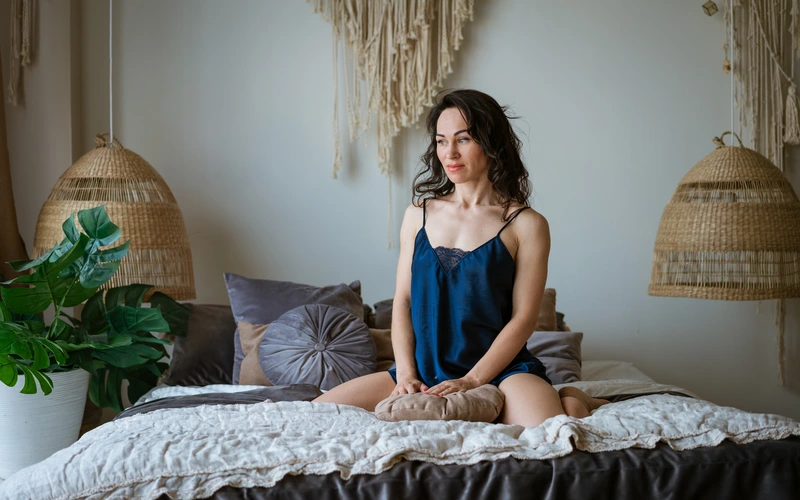
The transition from film to digital photography in the late 20th century significantly impacted the ways portraits were made, edited, and shared. Photographers obtained greater control of lighting, color, and post-production, and boudoir photography became more accessible to those who wanted to make personal and confidence-boosting portraits.
The ways photography was perceived changed throughout this time period, and new methods allowed for more creative approaches to image editing techniques and personal portraiture. Advanced cameras, as well as photo editing software, helped photographers experiment with the new forms of image editing while finding and developing their unique visual styles.
Digital Age and Accessibility
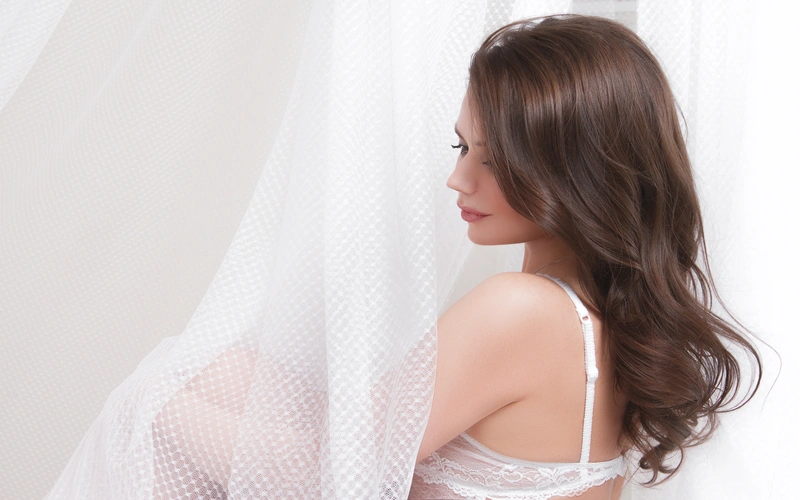
The advent of digital photography has fundamentally changed the art. The introduction of the Internet and social networks in the late 20th century and early 21st century led to easier exchange and distribution of photographic portraits. As a result, more people can take part in the creation of photographs, as well as share them on the Internet using cameras and phones.
However, increased availability of means for creating and distributing photographic portraits has led to a need for regulation for ethical and private issues related to the publication of photos. In addition, the use of phones for taking and sharing photos has led to a more significant representation of different voices in portrait photography.
21st Century – Contemporary Approaches and Artistic Vision
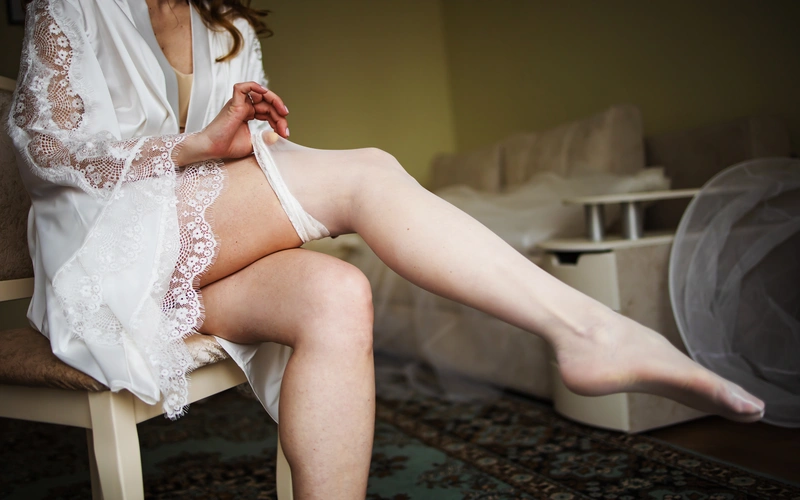
These days, many boudoir photography specialists aim to accentuate confidence and individuality, develop a unique sense of fashion and the art of personal expression, and explore modern approaches to self-representation and self-discovery through photography.
Photographers try to find new ways to express their personality in a boudoir style, engage in unorthodox composition experiments, and challenge the accepted principles of art photography.
Boudoir Photography in the Social Media Era
The internet and social media have redefined the boudoir photographers, models, and artists’ work, portfolio presentation, and distribution. Digital tools offer more control over the boudoir content and portfolio than ever before, while the internet’s content policies demand responsibility when posting images online.
Nevertheless, boudoir photography keeps changing, influenced by the evolution of traditional portraiture and current digital tools. The rise of digital content creation has improved confidence, self-esteem, privacy, and artistic freedom, and better photography tools.
Legal and Ethical Considerations:
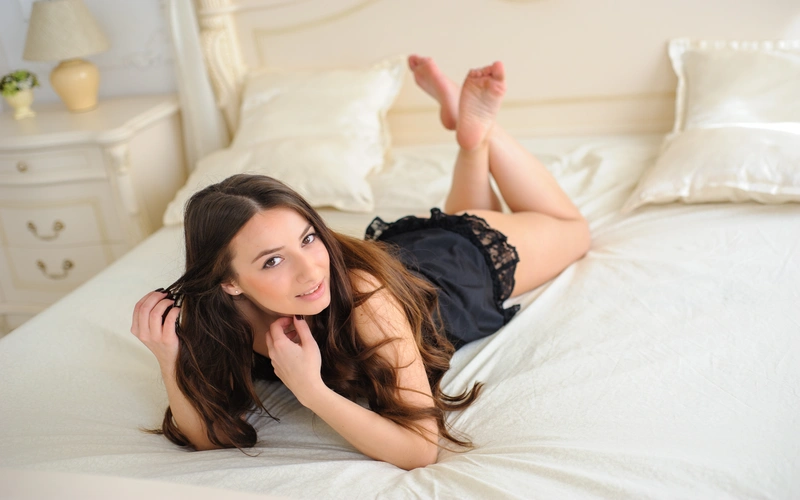
It is crucial for photographers to approach boudoir photography responsibly, respecting the rights, privacy, and boundaries of everyone involved. Clear communication and ethical practices should be considered throughout the planning, shooting, and image-sharing process.
1. Consent: The Golden Rule of Boudoir Photography
Consent is one of the key subjects in boudoir photography. The model needs to give explicit consent before the shooting commences, be aware of how the photos of the session will be used, and be able to easily say no at any time.
What Does Informed Consent Look Like?
- A written model release that clearly explains how the images will be used.
- The subject understands the nature and purpose of the session beforehand.
- Boundaries and preferences are discussed before and during the shoot.
- Any changes in image usage are communicated and agreed upon.
Earlier photographic practices did not always follow the consent standards expected today. Modern photographers should prioritize respectful communication, privacy, and responsible image handling at every stage, supported by an organized photography workflow.

2. The Right to Privacy: Where and How Boudoir Photos Can Be Shared
Agreeing to a boudoir photo session is not a basis for publishing the results of shooting. The right to privacy protects individuals from the unauthorized disclosure or distribution of their personal portrayal.
Key Privacy Considerations:
- Social Media & Online Sharing: Subjects may prefer private or limited-use releases rather than public sharing on social platforms.
- AI & Deepfake Concerns: AI tools can alter photographs in ways that were never intended by the subject.
- Revocation of Consent: Subjects may later request changes to how their images are used, depending on the agreement and applicable laws.
Photographers should also take care when preparing images for online publication, using appropriate editing tools and resources while respecting the subject’s privacy and agreed usage.
3. Copyright Laws & Ownership of Boudoir Photography
Who owns a boudoir photograph, the photographer or the model? The photographer usually owns the copyright to the image according to the law unless otherwise stated in a contract. It implies that the photographer has the sole rights to publish, reproduce, and license the work.
Nevertheless, there are some ethical concerns about using personal photographs of a model in a boudoir photography session, which can be solved by a model release. The release determines who has the rights to use the image and how it can be used. If not stated, privacy laws sometimes offer some protection to the model.
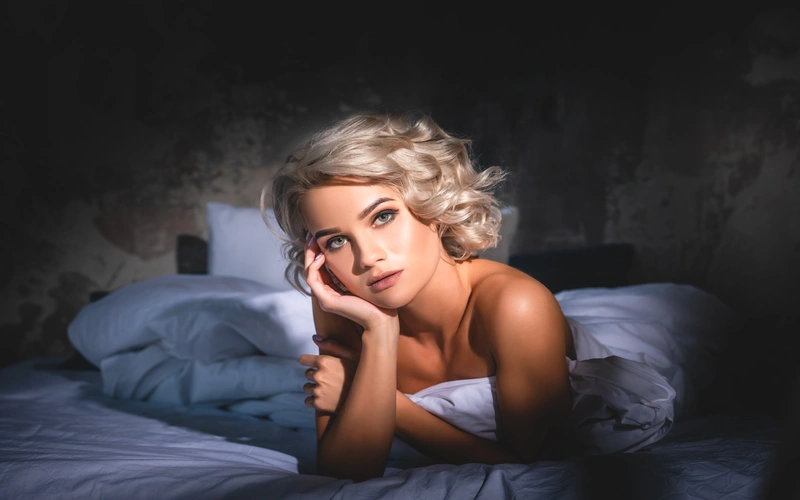
4. Censorship & Community Guidelines: Navigating the Rules
Gallery and photography websites may also face challenges when displaying certain portrait work Online, as automated moderation systems may interpret it as inappropriate for any reason.
Common Censorship Issues:
- The restrictions of social media sites such as Instagram, Facebook, and TikTok can limit the ways in which one can share photography.
- Differences Between Sites: Each site has its own rules about photography, so one must be aware of the requirements of each site before posting.
- Restrictions Based On The Country: The rules of each country vary.
As a result, photographers who want to share their work and research on historical or fine art photography may need to be careful about what they post and how they post it online.
5. Ethical Boundaries: Respecting the Model & the Art Form
Besides the legal aspects, ethical issues should also be considered when discussing Boudoir photography.
Ethical Best Practices:
- Striving to make the subject feel comfortable during the shoots.
- Limiting retouching and airbrushing to not alter the model’s appearance in an unexpected or unwanted way.
- Presenting the concept of the shoot to the model in advance.
When working with historical portraits, photographers should also consider the context in which the images are presented, ensuring they are treated respectfully and not misrepresented.
For photographers refining their editing workflow, Lightroom editing resources can support consistent post-processing.
Conclusion: The Origin and Evolution of Boudoir Photography
The history of boudoir photography is a history of progress and changing attitudes, both within the industry itself and in the culture at large. But as this particular style of photography is growing more and more popular, its focus is shifting from traditional portraiture to a more confident, self-assured expression of individualism.
Its evolution is also an evolution of consent, of the need to protect and to represent a wide range of diverse identities, and the balance of control and intent between photographers and their clients. The art of boudoir photography, both in concept and in practice, is undeniably changing – and changing for the better.
FAQs
1. When did boudoir photography begin?
Ans. Boudoir photography developed from early studio portraiture and glamour photography. As photographic techniques evolved, photographers began creating more personal, carefully styled portraits focused on confidence, fashion, and self-expression.
2. Was boudoir photography always considered an art form?
Ans. Not always. Early forms of intimate portraiture were often viewed through changing social attitudes. Over time, photographers increasingly emphasized composition, styling, lighting, and artistic intent.
3. How did early portrait photography influence boudoir photography?
Ans. Early photographers established techniques in lighting, composition, posing, and studio portraiture that continue to influence boudoir photography. These foundations helped shape the genre’s distinctive visual style.
4. When did boudoir photography become more popular?
Ans. Boudoir photography gained wider popularity during the 20th century as glamour, fashion, and studio portraiture became increasingly mainstream. Advances in photography also made personal portrait sessions more accessible.
5. How did the digital era change boudoir photography?
Ans. The transition from film to digital photography made it easier to capture, edit, and share portraits. Photographers gained greater creative control, while privacy and responsible image sharing became increasingly important.
6. How is AI affecting boudoir photography today?
Ans. AI tools can assist with image editing, retouching, and creative workflows. They also raise important questions about consent, authenticity, privacy, and the responsible use of generated or altered imagery.
7. How does social media affect boudoir photography?
Ans. Social media has made it easier for photographers to showcase their work and reach audiences worldwide. However, platform-specific content policies can influence how boudoir images are presented and shared.




One Comment on “The Origin and Evolution of Boudoir Photography: A Historical Journey”
Thanks for the valuable information. It very much was useful to me.