


What is AI?
Artificial intelligence (AI) is beginning to be used in a wide range of fields. AI enables computers to perform tasks that otherwise require actual human intelligence. Nowadays, AI can be used to fulfill jobs to some extent. You might not even be aware that AI exists in so many diverse contexts.
AI photography art has emerged as a realm where AI showcases its ability to craft visually stunning pieces. AI-related art is a dynamic combination of creativity and technology, where data becomes inspiration and algorithms become paintbrushes.
AI in Photography
AI in photography can produce photos that visually resemble actual photographs. These AI-generated photographs are created using complex algorithms and large datasets that create impressive photos.
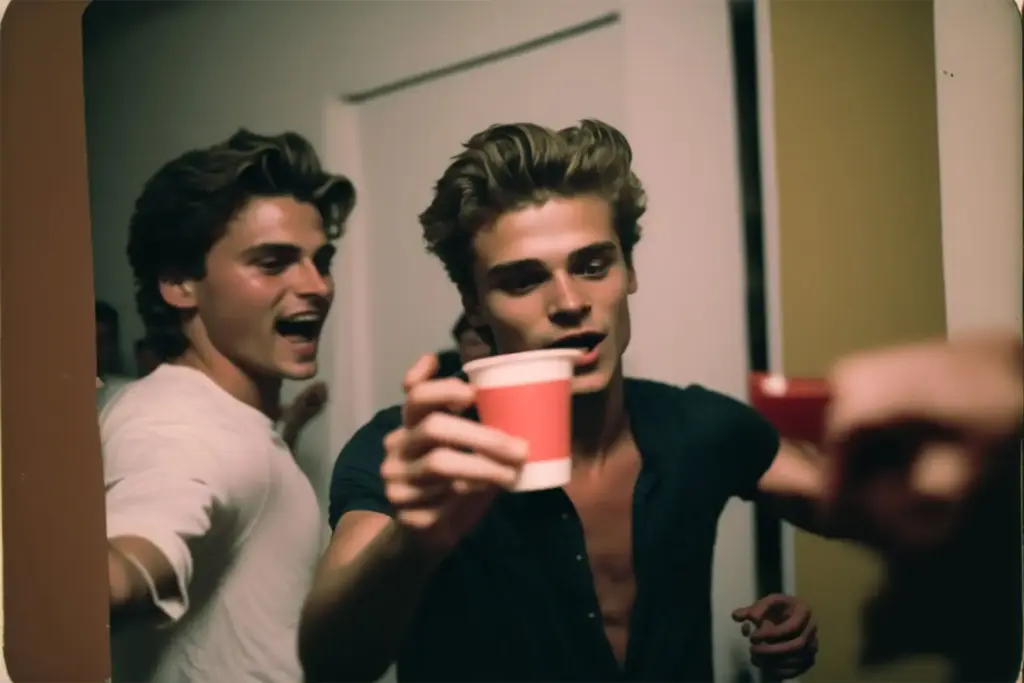
Manufacturers have integrated AI in photography for a few years now. If you have a smartphone, you already have a range of AI features at your fingertips.
For example, AI in photography includes your camera’s computer recognizing certain subjects. This identification leads to the program making automatic adjustments to the image. Which makes the final output 100 times better.
Table of contents
AI Features Already Available in Cameras
Face Recognition
Facial recognition technology has been put into cameras by many photography companies. The most known to us is autofocusing.
The main use of autofocus cameras is to take pictures of people. If there are faces in an image, facial recognition can detect them by scanning the scene in real time. The focus will then shift to the faces as a priority on the camera. AI and photography go hand in hand with this feature.
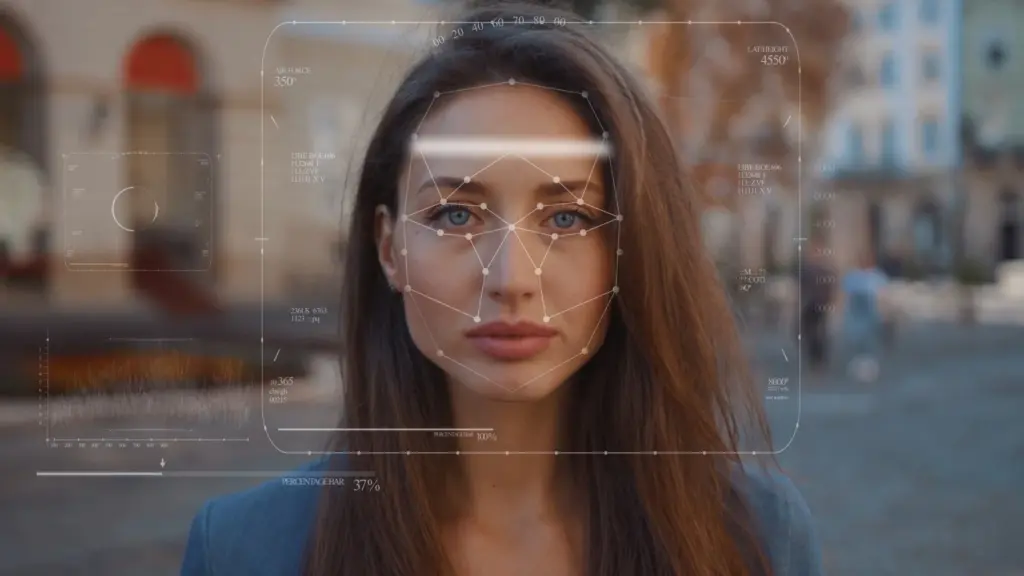
This technology is present in the majority of digital cameras. This improvement in the latest cameras has increased productivity to the next level.
AI Resource: banuba
Red Eye Fix
With artificial intelligence, even issues that used to annoy the photographers are now resolved in camera. The ability to activate a setting that automatically corrects red eye on the subject of your photo is available on many digital cameras.
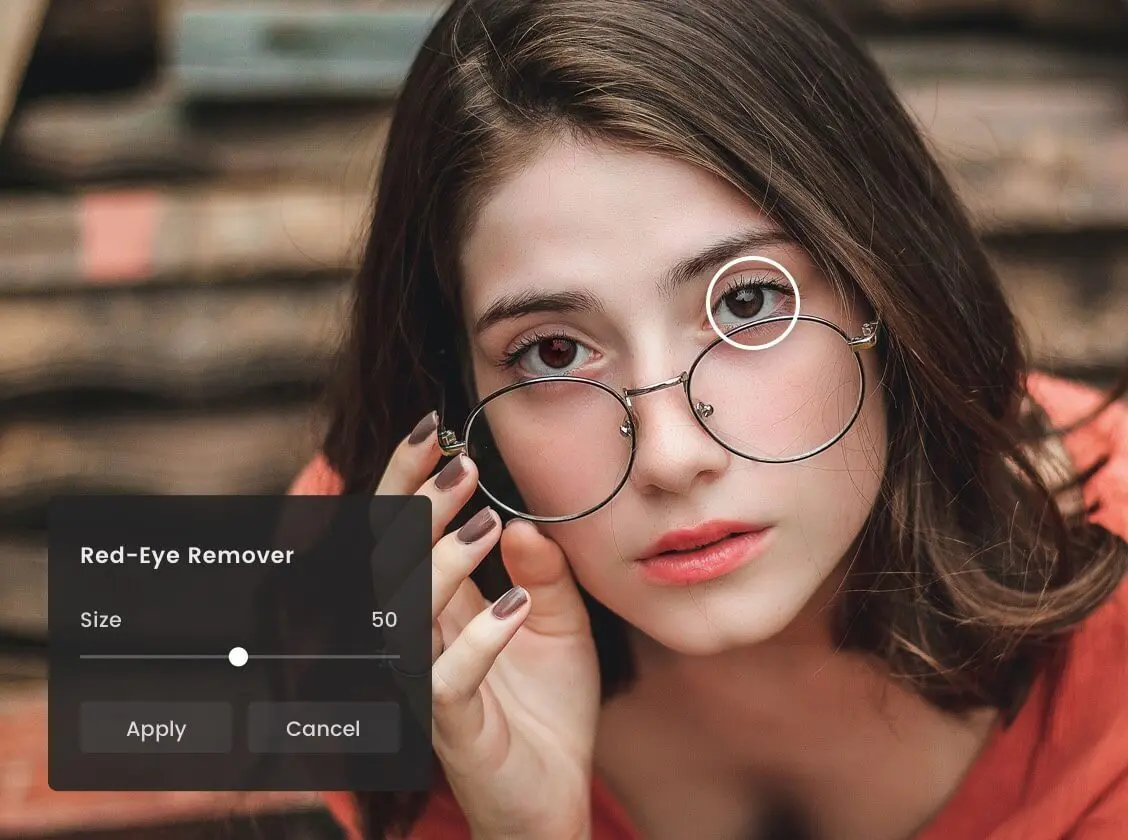
This technology makes use of AI to accurately choose the eye and eliminate the red color. This setting causes the flash to fire twice, giving the subject’s pupils some time to close before the second flash fires and the picture is taken.
AI Resource: Fotor
Zoom and Enhance
AI also makes it feasible to zoom in on and improve your pictures. AI can help you whether you want to zoom in while keeping the original image or increase the resolution of your photos so you can print them huge.
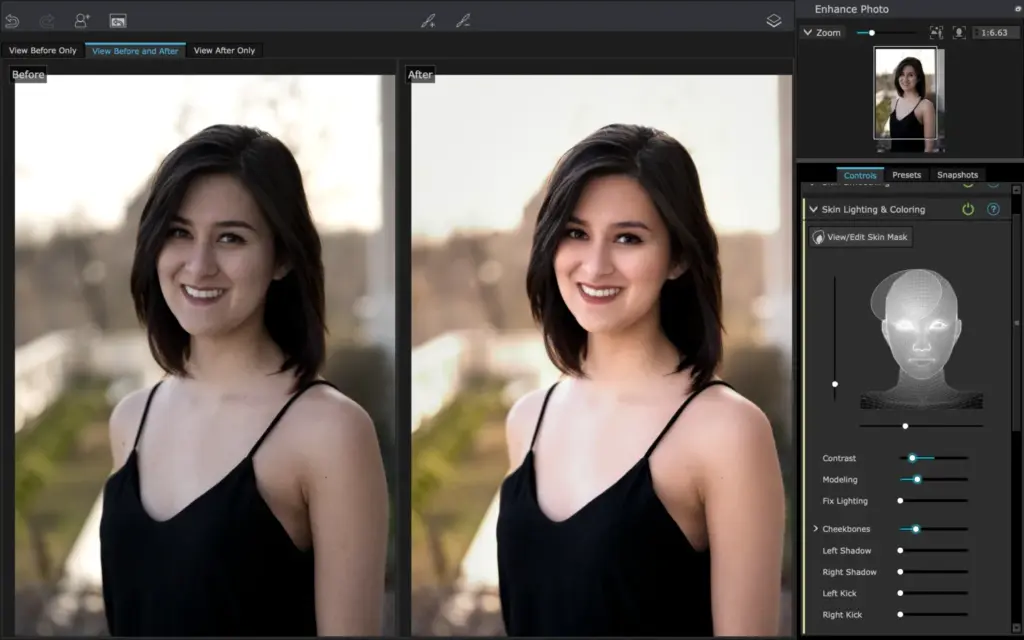
Some cameras may even be able to accomplish this in camera, despite the fact that doing so typically requires software. You can alter colors, remove backgrounds from images, and even improve and edit pictures with a few simple clicks.
AI Resource: avc.ai
Environment Recognition
AI can also detect how the camera reads its surroundings. In smartphone camera settings, such as Samsung’s Live Focus, this is clearly visible. The characteristic identifies the center subject. The depth of field is thus made to appear shallow.
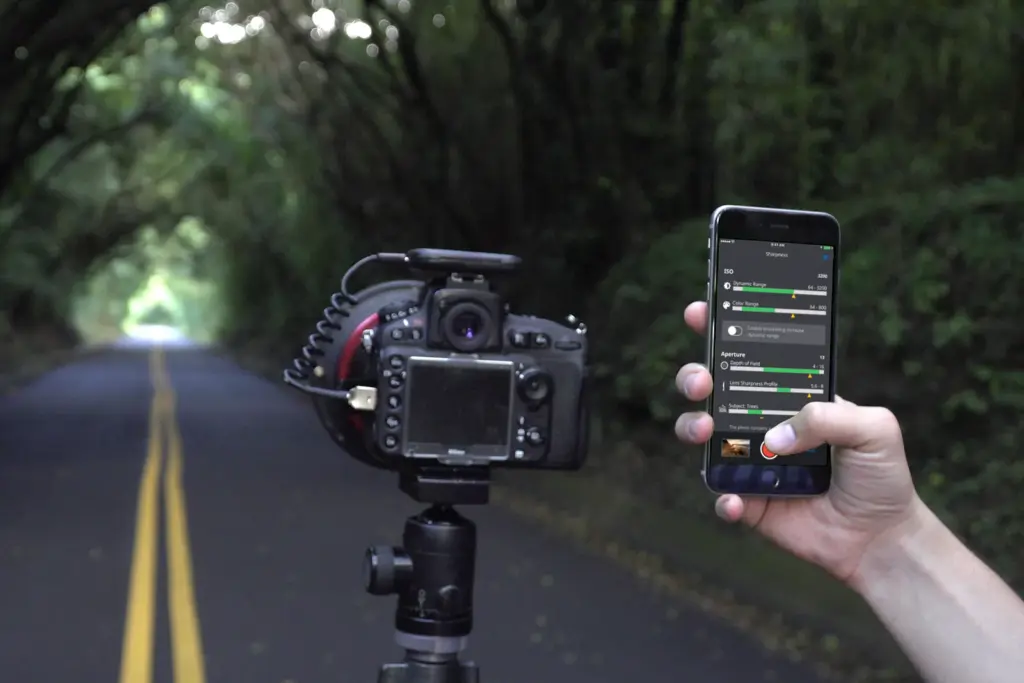
Your entire topic is in sharp focus. But behind that, the background becomes blurry. Therefore, the main object stands out.
How can you implement AI into your work:
Here are some tips to improve your work using the power of Artificial intelligence photography.
AI Mood board
If you work as a commercial photographer, your customers can request that you create a mood board before to the shoot. Even if you already know what you want the shoot to look like, making a mood board takes time.
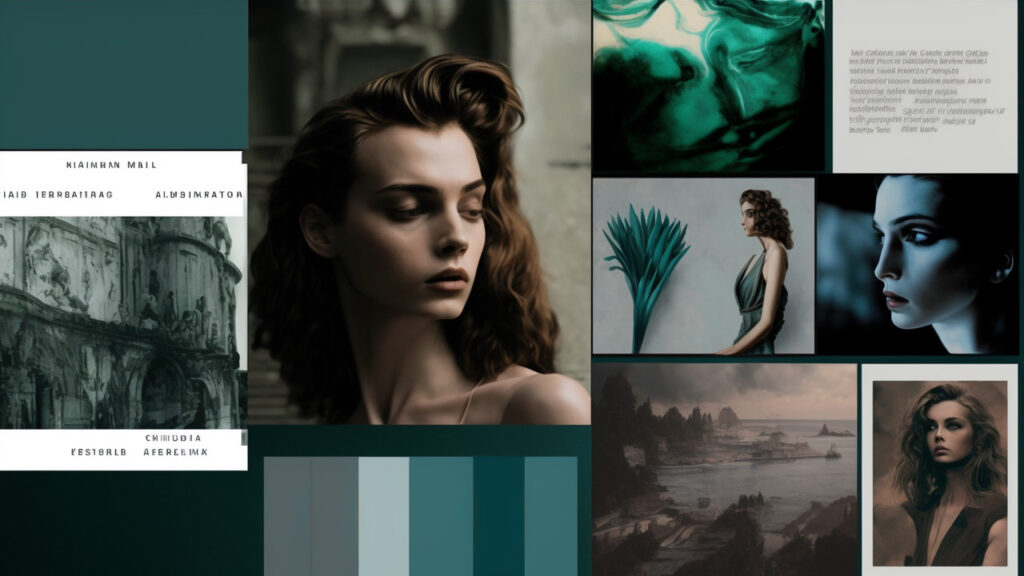
A fantastic technique is to use AI technology in image generators. No more spending endless hours searching the internet for a particular image!
AI Resource: cined.com
Ideal Model Look
Portrait photographers can use ChatGPT-like AI systems to suggest the model’s hair, cosmetics, and attire. These tools can also be used to look for samples of different positions for female models or to find the best portrait venues in America.
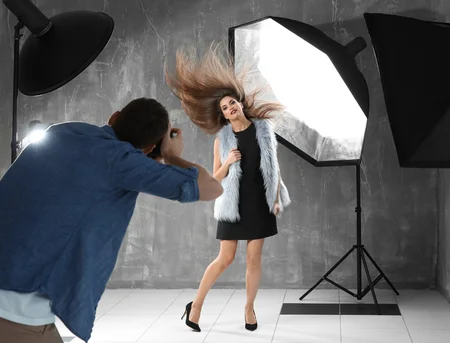
These AI tools can help you learn how to take pictures in manual mode and choose the best focus methods for portrait photography if you’re a beginner photographer.
Culling the images
Portrait photographers who take large numbers of photos all at once can use AI technology for effective image culling. Many AI software programs can handle huge imports and quickly spot situations where subjects are out of focus or have their eyes closed.
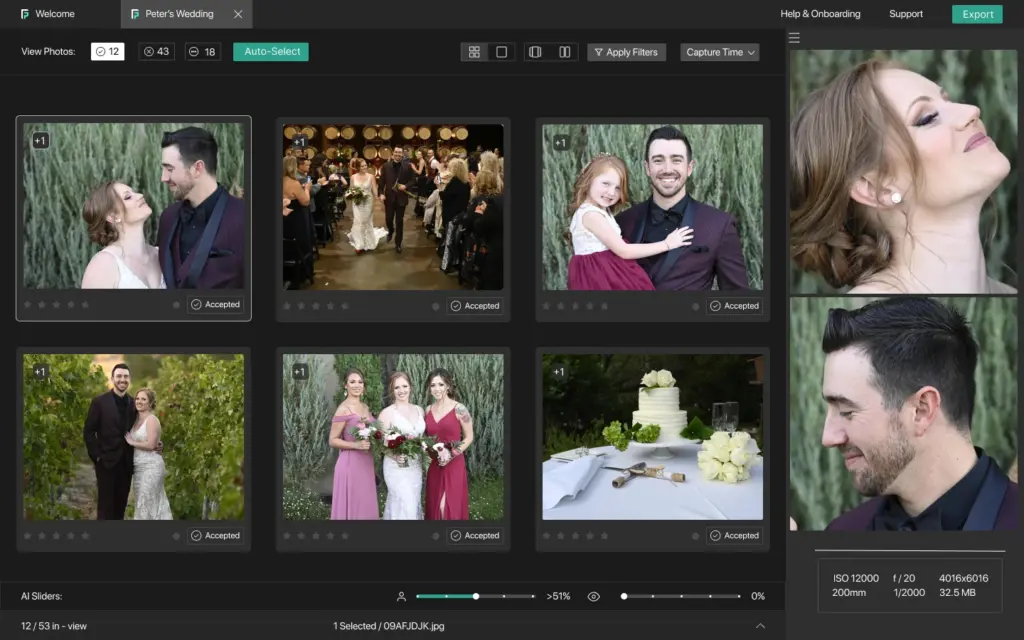
This speeds up the process of highlighting keepers and removing poor images while also reducing the amount of time spent on computer-based culling. Adopting AI speeds up workflows, allowing photographers to complete more work in less time.
AI resource: Filterpixel
List of Some AI in Photography Tools
Conclusion
AI for photography has emerged as a game-changer, revolutionizing various aspects of the craft. AI has an impact on everything from creating eye-catching images to speeding up editing procedures and streamlining workflows.
AI-generated art is a prime example of this blending of technology and creativity, where algorithms act as paintbrushes and data serves as an inspiration source. Artificial intelligence automates processes, enabling photographers to complete more work in less time, from fixing red-eye to enhancing focus.
Like this post? Check out more amazing content on our blog.
Frequently Asked Questions
1. What AI do photographers use?
Photographers use AI tools for sorting photos, batch editing, noise reduction, and detailed retouching.
2. How do I use AI on my photographs?
You can use built-in phone features or software like Canva and Adobe Firefly to edit, enhance, and transform your photographs with simple text prompts or single clicks.
3. What does an AI picture mean?
An AI picture is an image created by an artificial intelligence program based on text or photo instructions.
4. Which AI is used for photos?
Different AI tools are used for photos depending on whether you want to edit existing images or generate new ones from text.
5. Which photo AI is free?
Several popular photo AI tools offer free tiers or free generation options for editing and creating images.
- Adobe Firefly: Offers free generative AI credits to create and edit photos using text prompts.
- Pixlr: Provides free online AI photo editing, face swaps, and text-to-image generation.
- Leonardo AI: Gives daily free credits to generate and transform images with advanced AI models.
- Microsoft Designer: A beginner-friendly, free tool for creating and modifying images using prompts.
- Canva: Includes free text-to-image generation and basic AI photo tools within its design platform.
6. What are the 7 types of AI?
The seven types of artificial intelligence are split into two groups: three based on capabilities and four based on functionalities.
7. Who is the father of AI?
American computer scientist John McCarthy is widely recognized as the father of artificial intelligence. He coined the term “artificial intelligence” in 1955, organized the historic Dartmouth Conference in 1956 that launched AI as a formal field, and invented the Lisp programming language.
8. What are the top 3 most-used AIs?
The three most widely used artificial intelligence platforms by market share and traffic are ChatGPT, Google Gemini, and Claude AI.