






Access ALL masterclasses with PhotoWhoa PLUS
You'll be able to take overcast, low-light RAW files and turn them into moody, high-contrast images with rich blue tones and a brooding, cinematic feel.
You'll be able to combine multiple shots in Photoshop so your final image is sharp and detailed from the foreground all the way to the horizon — with sky and land perfectly balanced.
You'll be able to take your edit all the way to a polished, professional finish — with refined color, sharp detail, and a cinematic mood that makes the image stand out anywhere it's displayed.

focused lessons designed for practical application. Each lesson builds on the previous, taking you from fundamentals to advanced techniques.
Class Material Included
Expert Instructor
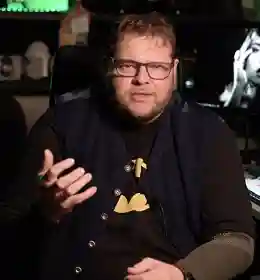
Michael Breitung is a freelance landscape photographer from Germany who loves nature and traveling. His travels have taken him all around the world, and he had the chance to explore andphotograph many beautiful places. He is also a photo editing expert with nearly 20 years ofexperience with Adobe Photoshop and more than 10 years with Lightroom.
View instructor’s classesReal feedback from photographers applying these techniques to improve their editing and workflow.
good
Blue hour photography refers to shooting images during the short time just before sunrise or after sunset when the sky takes on deep blue tones. The light is soft, even, and atmospheric, making it ideal for landscapes, cityscapes, and moody scenes. However, blue hour images usually require careful editing to bring out their full potential.
Lightroom is excellent for initial adjustments, masking, and color corrections, but advanced blue hour photo editing often requires Photoshop. Techniques like luminosity masks, focus stacking, advanced contrast work, and detailed retouching are best handled in Photoshop, which is why this masterclass covers both tools.
Yes, Photoshop is highly recommended for professional blue hour photo editing. While basic edits can be done in Lightroom, Photoshop allows precise control through adjustment layers, smart objects, luminosity masks, and advanced retouching techniques that are essential for high-quality results.
No. While the primary focus is on how to edit blue hour photos, all the techniques taught such as masking, contrast control, luminosity masks, and retouching can be applied to photos taken in any lighting condition, including daytime and golden hour images.
This masterclass is best suited for photographers who already understand the basics of Lightroom and Photoshop. It is designed for intermediate to advanced users who want to take their photo editing skills to a professional level.
Absolutely. This masterclass is especially valuable for landscape photographers who want to expand beyond sunrise and sunset shots. Blue hour light works beautifully for landscapes, cityscapes, and architectural photography.
You will need Adobe Lightroom (Classic recommended) and Adobe Photoshop. A basic understanding of both programs is required to get the most out of the lessons.
You’ll discover essential blue hour photography settings like slow shutter speed, low ISO, and proper aperture control to capture clean, noise-free blue hour photos even in low light.
Unlike night photography, blue hour photos retain natural ambient light and color detail. This masterclass shows how to preserve that mood while enhancing tones and contrast.
Yes, the blue hour photography tips and editing workflows are highly useful for travel and landscape photographers looking to capture and enhance dramatic scenes.
Unlock this masterclass and 70+ more for one low annual price
/year
Price locked once you subscribe. Cancel anytime.
Get instant access to ALL masterclasses with PhotoWhoa PLUS
Join photographers worldwide improving their skills with PhotoWhoa PLUS
Learn how photographers create cinematic AI imagery using Midjourney, Magnific AI, and Photoshop.
3-minute lesson • Instant access
No spam. Just world-class photography education.