

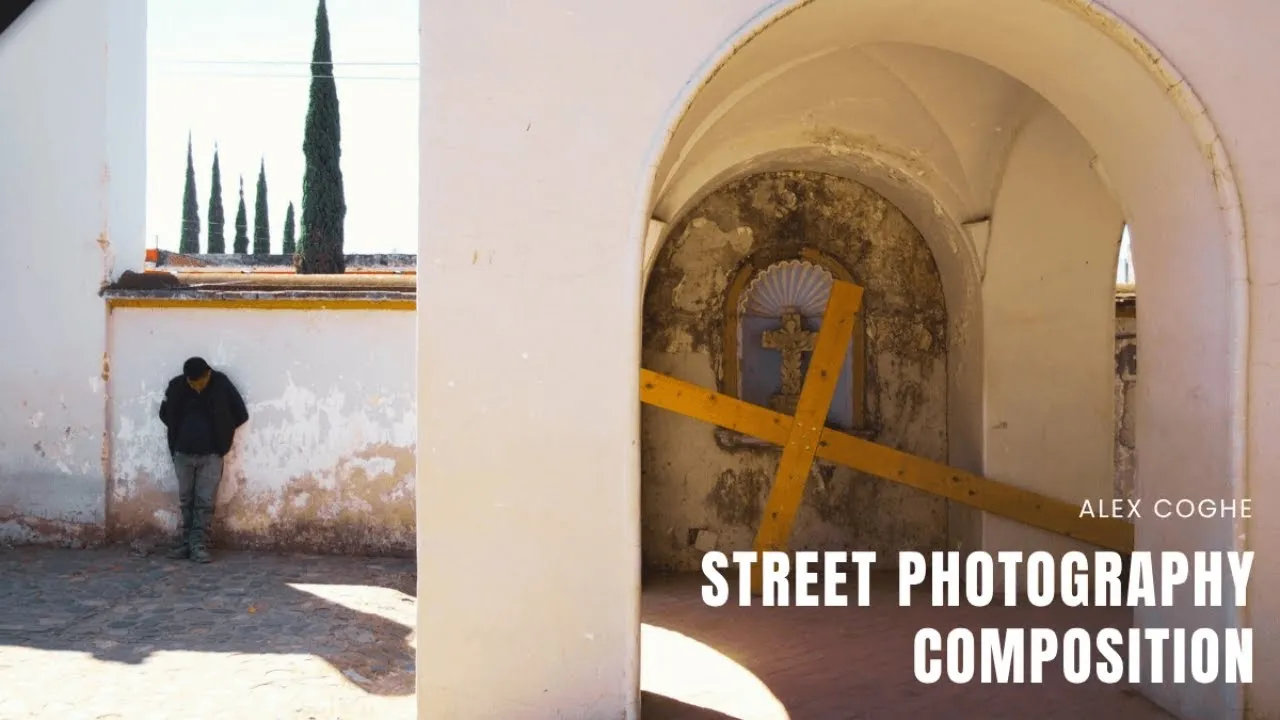


A Photography Composition Guide for the Art of Street Layering
Many photographers struggle with making their images feel alive. Scenes look cluttered, subjects don’t pop, and the frame lacks depth. This Photography Composition Guide is built to help you break through creative plateaus and see the street in layers.
Learn to build depth, rhythm, and story into your images through the art of layering.
Whether you’re a beginner or a seasoned photographer, mastering layering will scale up your street photography from good to compelling.
What Is Layering in Street Photography?
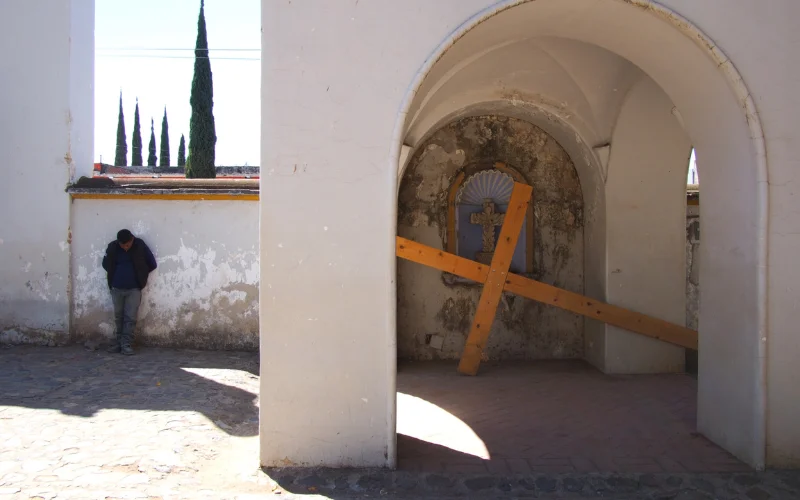
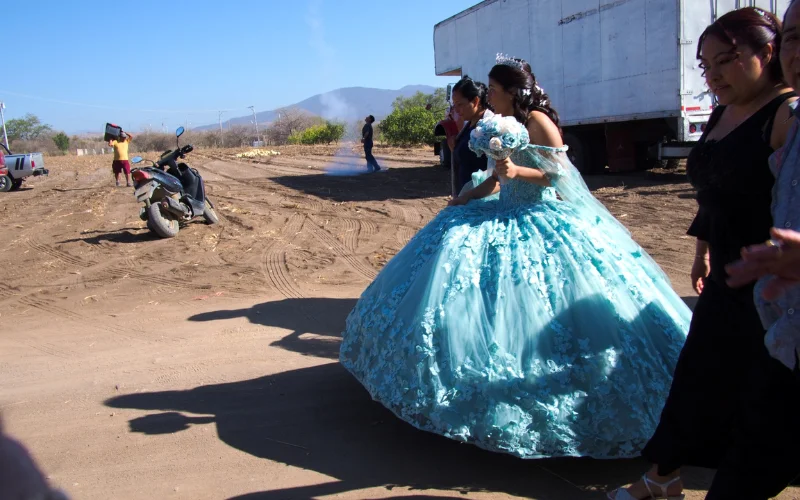
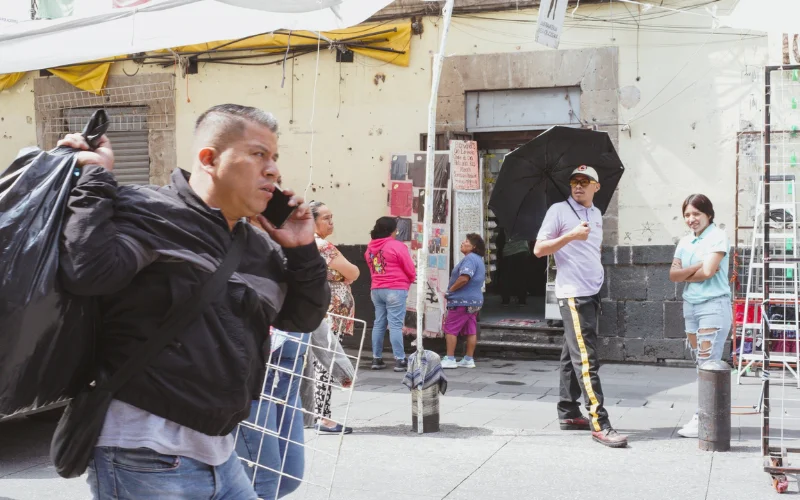
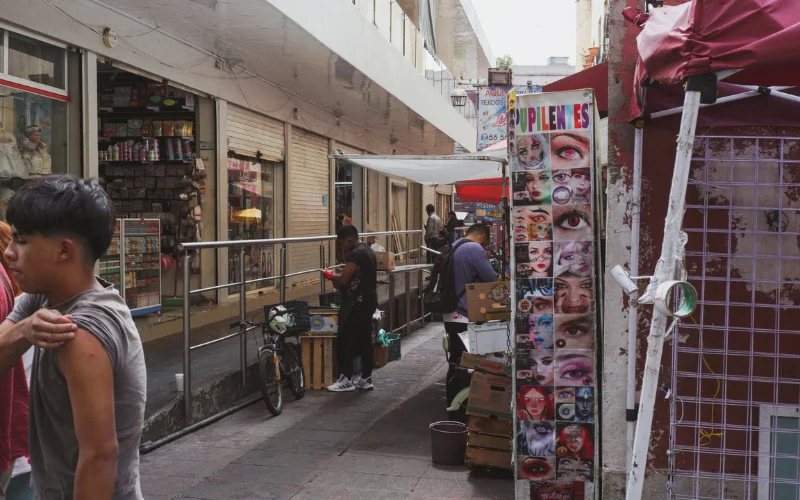
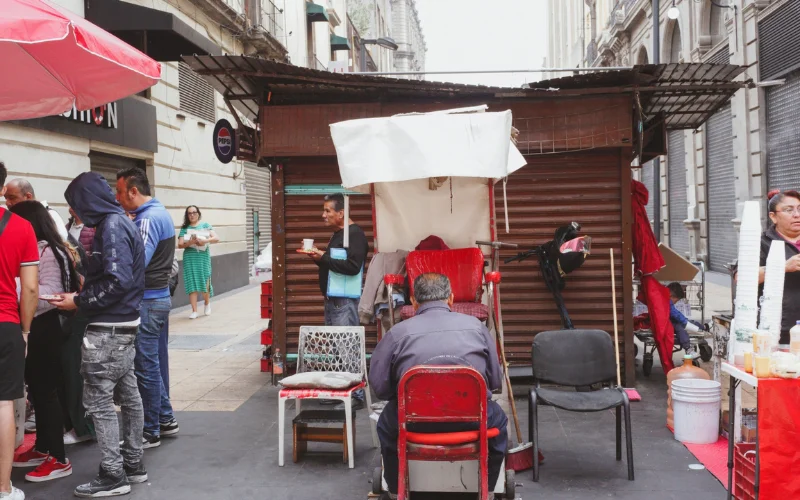
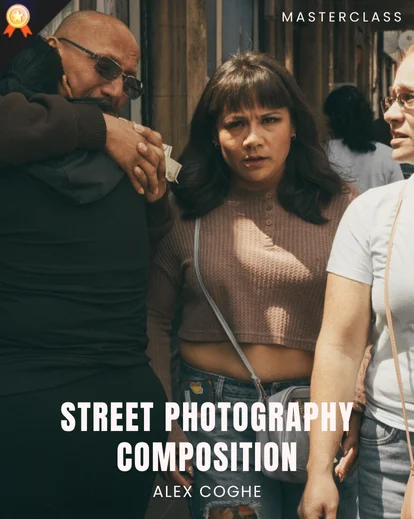
Layering is the art of composing images with multiple planes of activity or interest. Think of it like a stage:
Foreground draws you in
Middle ground shows your subject or story
Background gives depth or context
Done right, layering adds emotion, movement, and complexity to your photos. It helps the viewer feel like they’re inside the scene & not just looking at it.
Street photography is fast. Scenes change in seconds. Without solid composition, great moments go unnoticed or feel chaotic. Learning to layer slows you down and helps you see stories before they happen. Layering teaches patience, awareness, and visual storytelling.
Who Is This Masterclass For?
- Photographers wanting to master layering street photography
- Street shooters improving layering composition photography
- Portrait photographers using layered portrait photography techniques
Capture the Soul of the Street Through Composition
Frequently Asked Questions
What does composition mean in photography?
In photography, composition refers to how elements are arranged within a frame to create a visually appealing and impactful image. Good composition guides the viewer’s eye, conveys a story, and adds balance, depth, and interest to your photos.
What are the elements of composition in photography?
Key elements of composition in photography include:
Lines – Guide the viewer’s gaze.
Shapes & Forms – Define subjects and structure.
Color & Contrast – Create mood and highlight subjects.
Texture – Adds depth and realism.
Space – Positive and negative space for balance.
Light & Shadow – Adds drama and focus.
What are composition rules in photography?
Composition rules are guidelines that help you create stronger images. Common composition rules include:
Rule of Thirds – Position key elements along grid lines.
Leading Lines – Direct the viewer’s eye.
Framing – Use natural or man-made frames.
Symmetry & Patterns – Create harmony.
Depth – Layer foreground, midground, and background for a 3D feel.
How to use the middle ground in photography effectively?
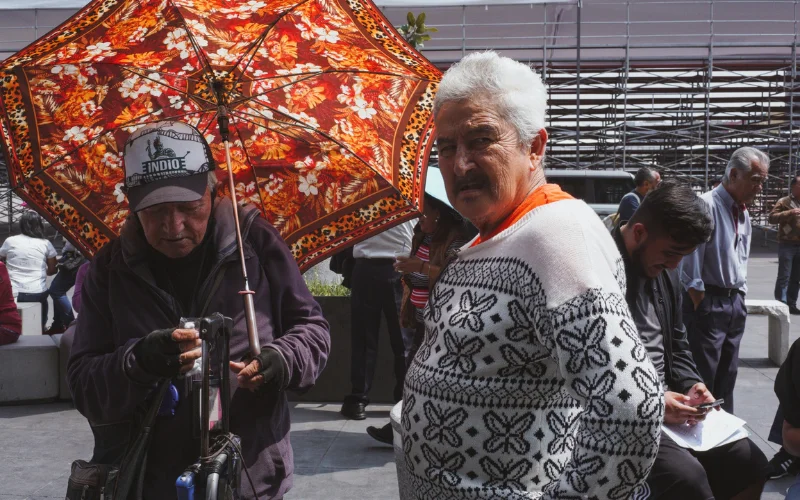
Treat the middle ground as the spotlight. It is where your main subject belongs and where they can stand out within the layered context.
Does the class teach how to find natural layers while composing?
Yes, this course guides you in identifying and using foreground, midground, and background layers to create depth.
What is layering in photo editing?
Layering in photo editing means stacking multiple images, adjustments, or effects on top of each other without altering the original file. This allows for non-destructive editing, easy adjustments, and creative combinations like double exposures, text overlays, or composite art.
What lens is best for street photography layering?
Yes, the masterclass explains how different focal lengths impact depth, layer separation, and viewer perception.
How to add a photo to a Photoshop layer?
To add a photo to a Photoshop layer:
Open your base document in Photoshop.
Go to File → Place Embedded (or drag and drop your image).
Resize and position the photo as needed.
Press Enter to confirm placement.
Your image will now be on its own layer, ready for editing.
Will I learn multi layered photography techniques in this course?
Yes, this course teaches multi layered photography techniques that help you capture multiple points of interest within a single frame without making the image feel cluttered.
How is this different from other photography composition courses?
Unlike general courses, this masterclass focuses deeply on layering composition photography, multi layered photography, and layered portrait photography, giving you a specialized skillset for street photography.



Reviews
There are no reviews yet.