



The human body has been an artist’s favorite subject for centuries. Painters used it. Sculptors used it. And today, photographers use it too. That’s where fine art figure photography comes in.
It’s a genre that looks simple but takes real skill to get right. Good artistic figure photography doesn’t just happen because someone stands in front of a camera. It takes thought. Light needs to fall the right way. The composition needs to say something. Without that, you just end up with a snapshot, not art.
This guide breaks down what the genre is really about. We’ll look at the techniques photographers rely on, the different styles you’ll find within figure fine art photography, and a few examples that show just how varied this work can be. If you’re looking to build your own practice in human figure photography, you’re in the right place.
Table of contents
- What Is Fine Art Figure Photography?
- Core Techniques For Artistic Figure Photography
- Technique #1: Silhouette for Mystery and Mood
- Technique #2: Partial Framing and Cropped Composition
- Technique #3: Focus on Expression
- Technique #4: Human Figure Photography With Multiple Subjects
- Technique #5: Props as Storytelling Tools
- Technique #6: Fabric, Drapery, and Implied Form
- Technique #7: This Genre Isn’t Just About One Body Type or Gender
- Technique #8: Overlays, Text, and Effects
- Technique #9: Outdoor Artistic Figure Photography
- Technique #10: Full Body Work Against a Dark Backdrop
- Styles Within Fine Art Figure Photography
- Examples of Fine Art Figure Photography
- Planning a Fine Art Figure Photography Shoot
- Wrapping Up
- Frequently Asked Questions
What Is Fine Art Figure Photography?
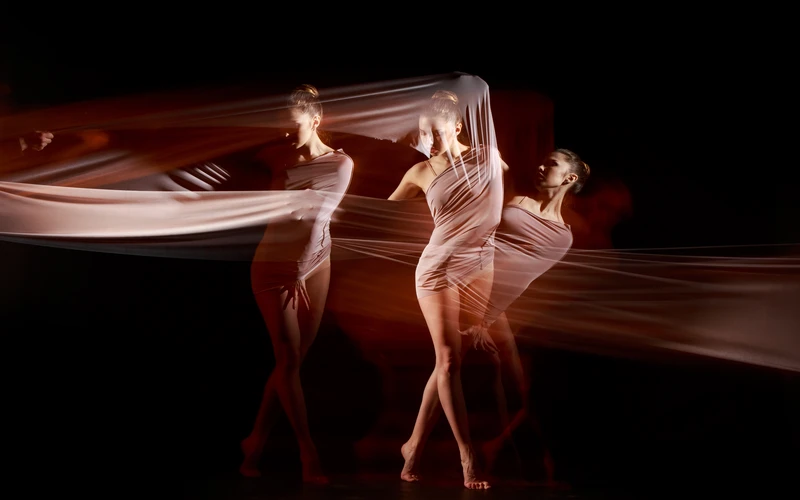
At its heart, fine art figure photography treats the human body the way a painter treats a canvas. It’s about composition, light, and artistic expression, not just capturing a likeness. Think less portrait, less fashion shoot, and more sculpture come to life.
This is a genre that rewards patience and skill. A great fine art figure photo doesn’t happen by accident. It comes from deliberate choices about light, line, shadow, and framing, made before you even press the shutter.
In this guide, we’ll walk through the techniques behind strong figure work, look at a few different styles within the genre, and share some examples of fine art figure photos worth studying.
Core Techniques For Artistic Figure Photography
Here are the go-to techniques photographers use to create striking work in this genre.
Technique #1: Silhouette for Mystery and Mood
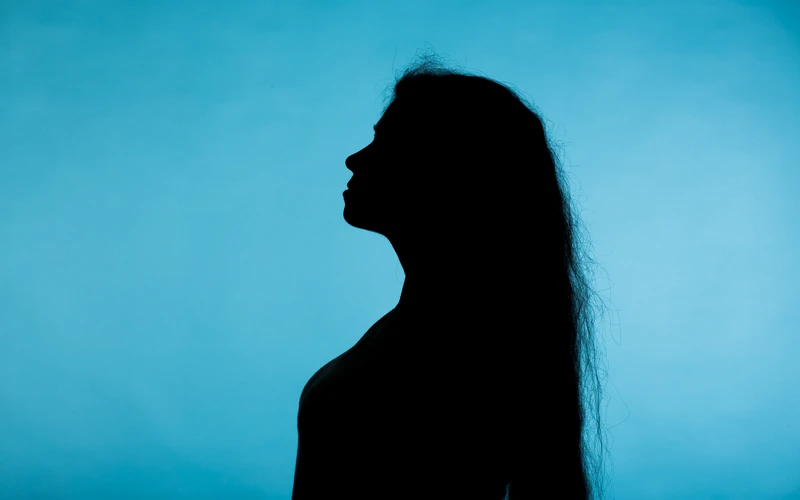
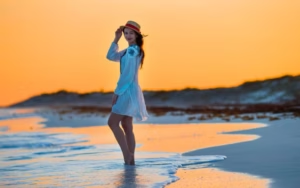
One of the easiest ways to add mood to figure work is to shoot your subject as a silhouette against strong backlight. It hides the details and turns the body into pure shape and line. The result feels mysterious and deliberate, much more than a fully lit shot would.
Technique #2: Partial Framing and Cropped Composition
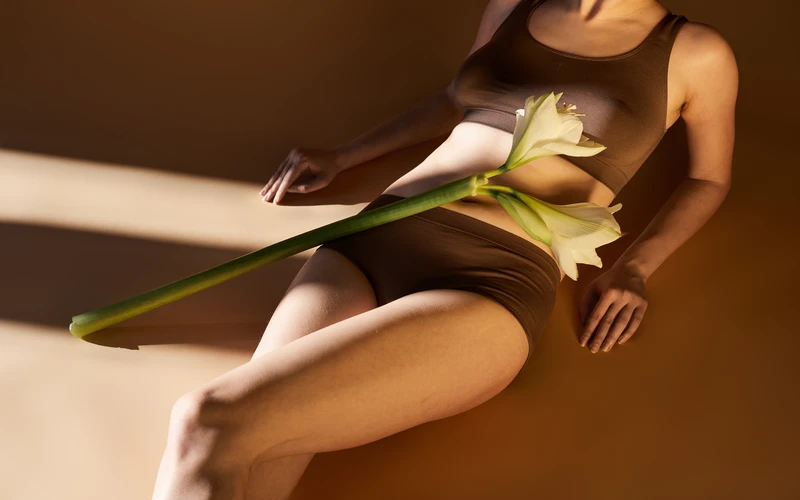
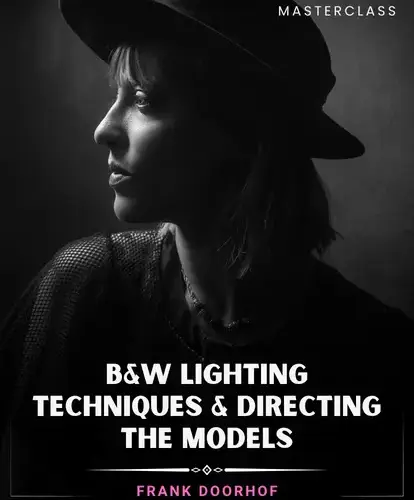
You don’t have to show the whole subject in every shot. Sometimes revealing just part of the body, like a shoulder, the curve of a back, or a pair of hands, is more interesting than showing everything at once. Even a tightly cropped, black-and-white frame can carry real presence, even when it shows very little.
Technique #3: Focus on Expression
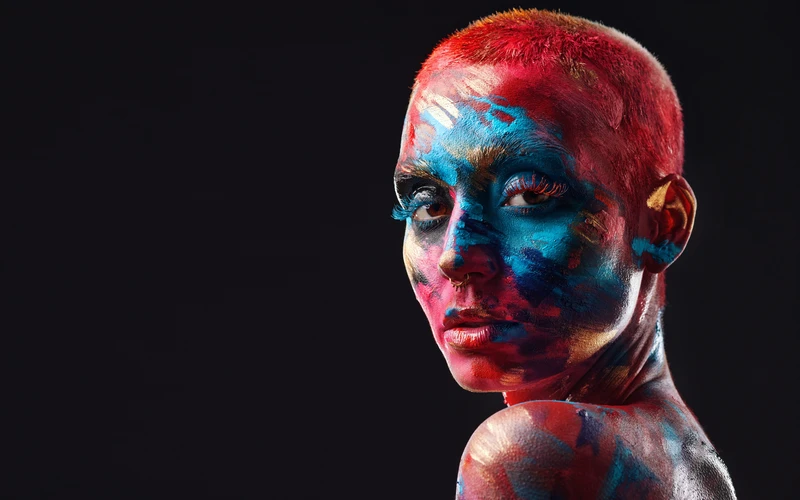
A face full of feeling can anchor an entire photo, even one built around the body. This is one of the simplest yet most effective techniques in figure work. When the subject looks straight into the camera, it creates a real sense of connection with whoever is viewing the image.
Technique #4: Human Figure Photography With Multiple Subjects
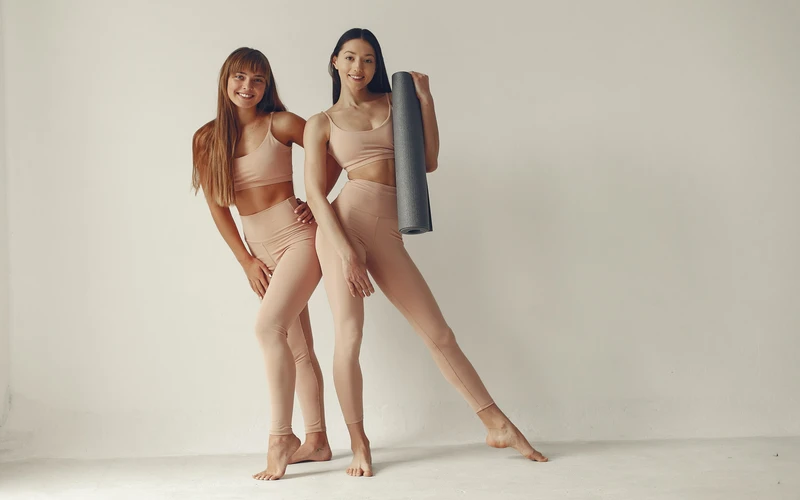
Shooting with more than one model opens up new possibilities. Think about how they interact in the frame. A touch, a gesture, or even the space between two people can add a layer of story that a single figure often can’t achieve alone.
Technique #5: Props as Storytelling Tools
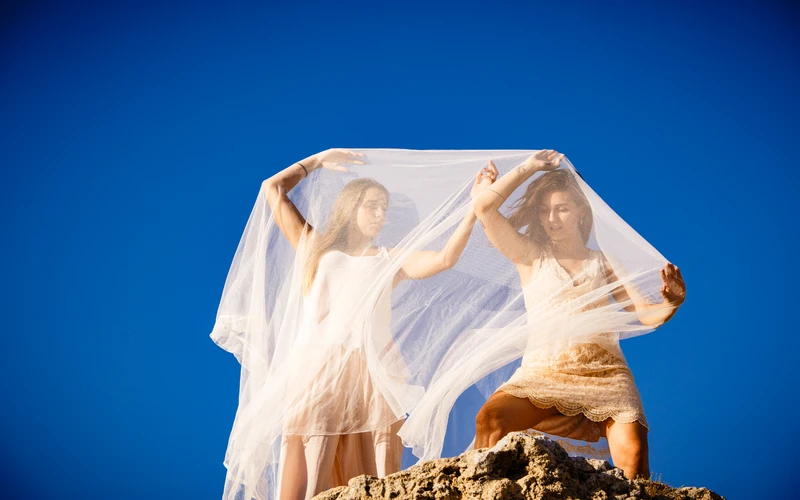
Props give a photo context. Flowers, fabric, furniture, or even everyday objects can shape the mood or add meaning. And if a shoot has a commercial angle, like promoting a brand or a product, props are usually where that gets woven in naturally.
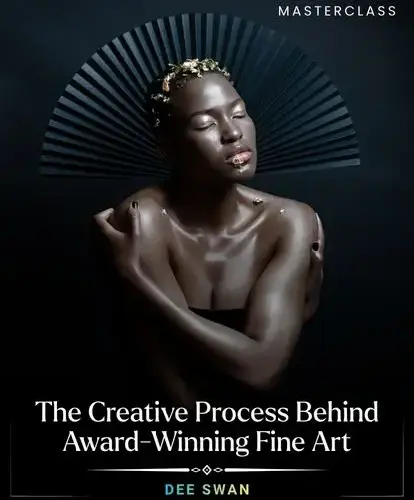
Check out our masterclass: The Creative Process Behind Award-Winning Fine Art
Technique #6: Fabric, Drapery, and Implied Form

Instead of showing everything, many of the best photos in this genre lean on fabric, drapery, or shadow to hint at form rather than reveal it directly. Suggesting shape this way often feels more sophisticated, and more genuinely artistic, than a fully exposed frame.
Technique #7: This Genre Isn’t Just About One Body Type or Gender
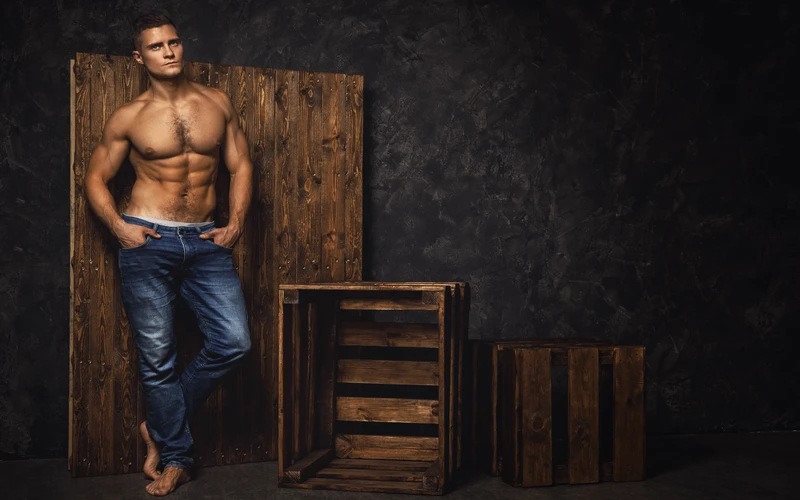
Fine art figure work isn’t limited to any single body type or gender. Every kind of body has a place here. Mixing up who and what you shoot also keeps your portfolio feeling fresh instead of repetitive.
Technique #8: Overlays, Text, and Effects
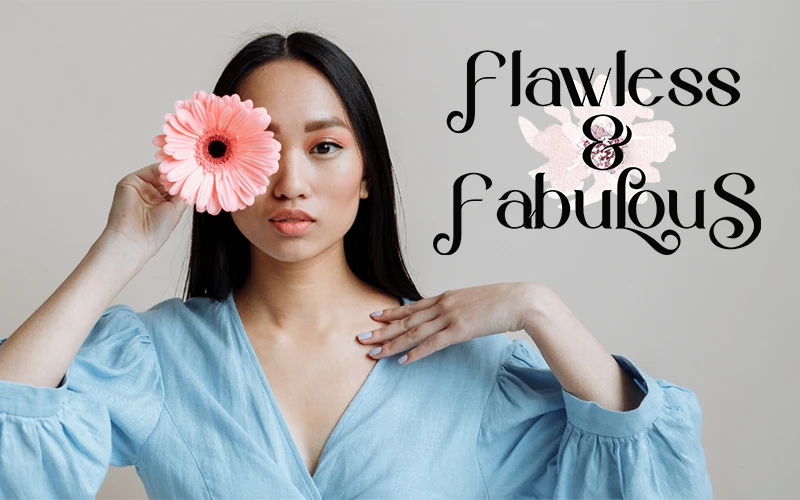
A little typography or a creative effect can add another layer of meaning to a photo. It can turn a simple image into something closer to a designed piece. Just make sure it ties back to a concept instead of feeling like decoration for its own sake.
Technique #9: Outdoor Artistic Figure Photography
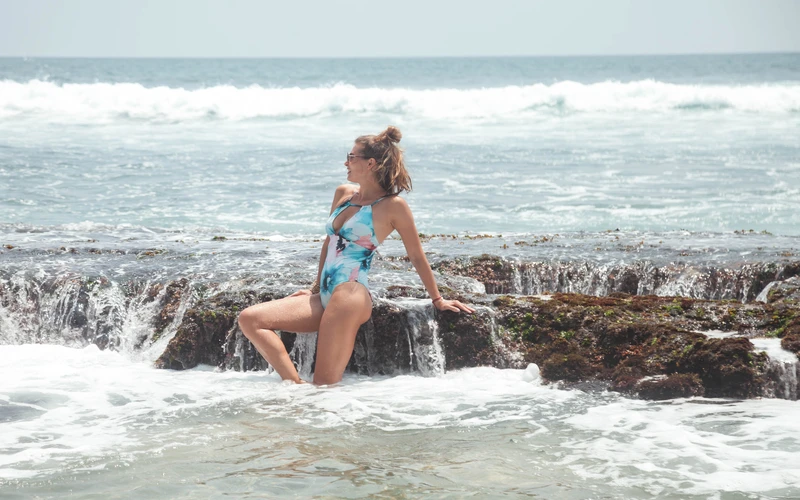
You don’t need a studio to shoot great figure photography. Natural light, texture, and landscape all add something a plain backdrop can’t. Rock formations, water, and open sky give you far more to play with when it comes to composition.
Technique #10: Full Body Work Against a Dark Backdrop
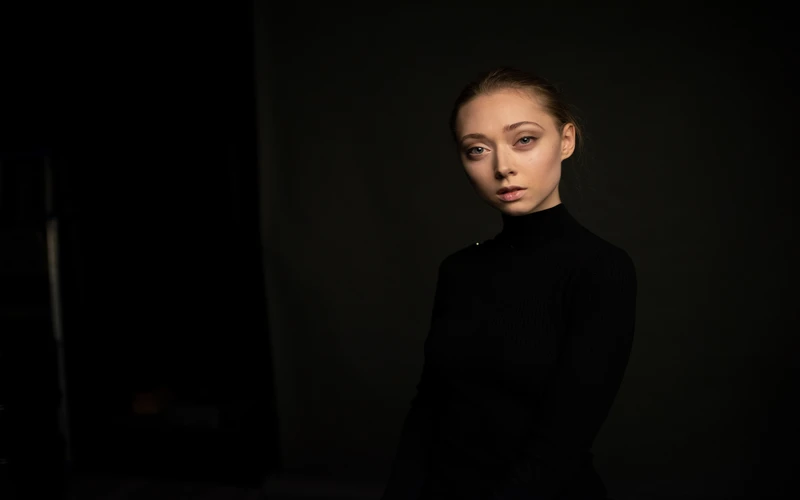
A dark, simple background lets the shape of the body do all the talking. This is one of the most classic looks in the genre, and it comes down almost entirely to lighting. Get the angle and quality of light right, and the rest falls into place.
Check out our masterclass: Master Self Portrait Photography: The Complete Guide
Styles Within Fine Art Figure Photography
The Expressive Power of Form
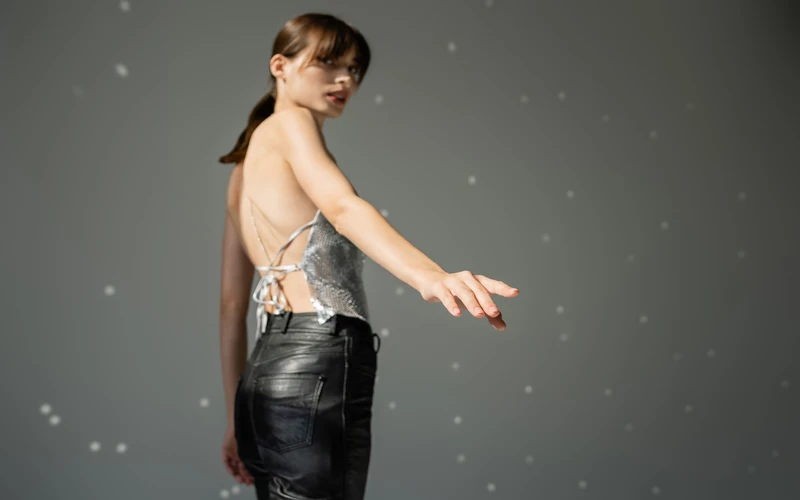
A photo can say so much just through how the body is positioned and lit. Vulnerability, strength, calm, tension. All of it can come through without a single word, and often without even showing a face.
That’s part of the magic of this genre. It builds a real connection between the person in the photo and the person looking at it.
Fine Art Figure Photography & Body Confidence
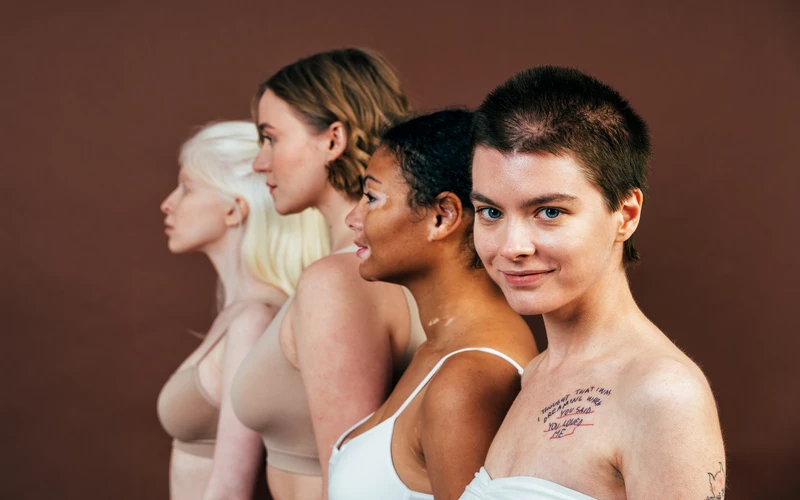
For a lot of photographers and their subjects, this genre becomes a way to celebrate the body just as it is. Showing a range of body types pushes back against narrow beauty standards, and it gives people a chance to see themselves represented on their own terms.
Check out our masterclass: The Art Of Therapeutic Photography For Creative Growth
Consent, Comfort, and Professional Boundaries
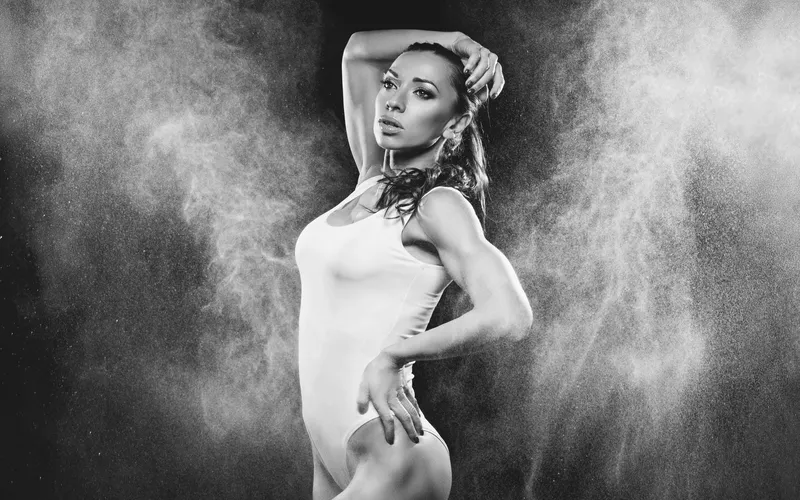
Consent matters more than anything else in this genre. The photographer and the subject need to agree on clear boundaries before the shoot even starts, and the subject should always feel safe and in control.
That means talking things through beforehand. What will be captured, how the images will be used, and getting clear, explicit sign off from the subject. This kind of openness is what makes the whole process feel trustworthy for everyone involved.
Artistic Vision, Lighting, and Composition

Strong figure work follows the same basic rules as any other type of art photography. Lighting, composition, and angle all need to work together with intention. The goal isn’t just to document the subject, it’s to bring out their shape and character.
Subtlety and Elegance in Figure Work
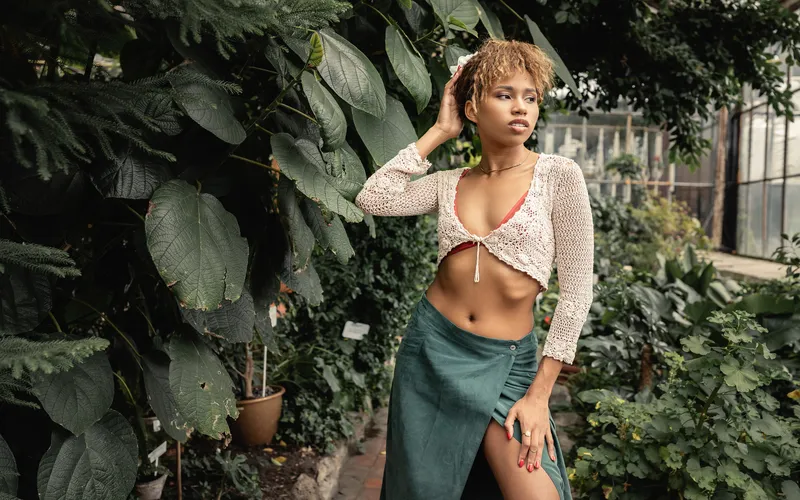
Some of the most memorable photos in this genre are also the most restrained. A photo can feel elegant and even a little sensual without being explicit at all. Leaving something to the imagination is often what gives an image staying power. It’s also what separates fine art from more literal kinds of photography.
Examples of Fine Art Figure Photography
1. Silhouette Human Figure Photography
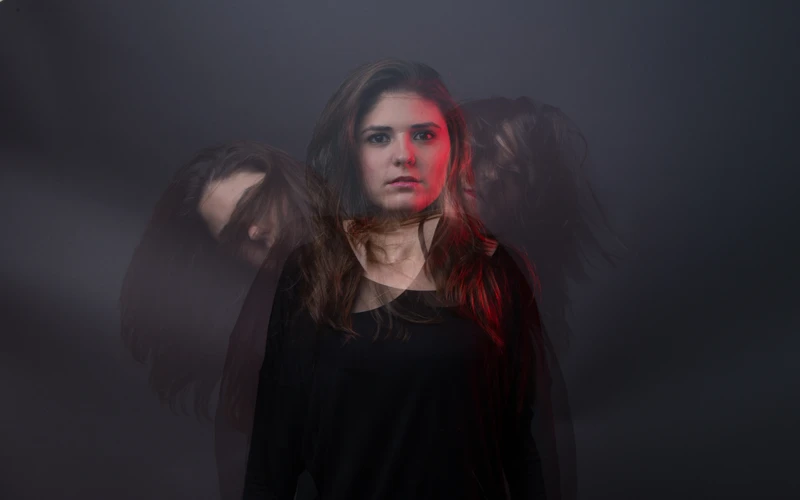
A figure caught as a pure silhouette against a setting sun turns the body into shape and line. The strong backlight hides everything specific, like skin, expression, or identity, and leaves only gesture and outline behind. That’s often what gives silhouette work its sense of mystery.
2. Monochrome Study in Shadow
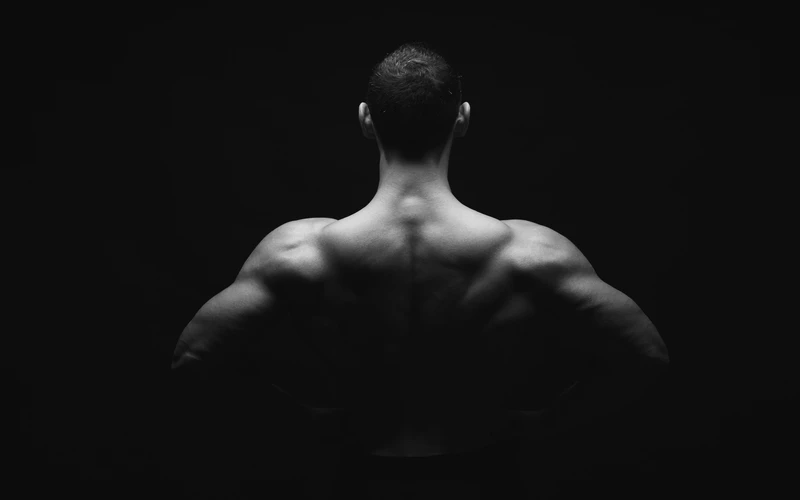
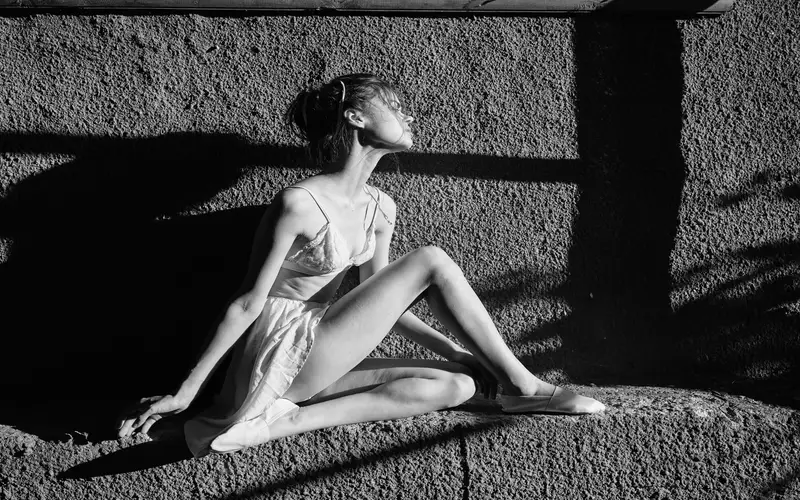
Picture a black and white shot where the figure is mostly hidden in shadow, with just a sliver of light catching the form. Taking color out of the equation makes the viewer focus purely on shape and contrast. It’s a restrained approach, but it reads as deliberate and painterly.
3. Movement and Water
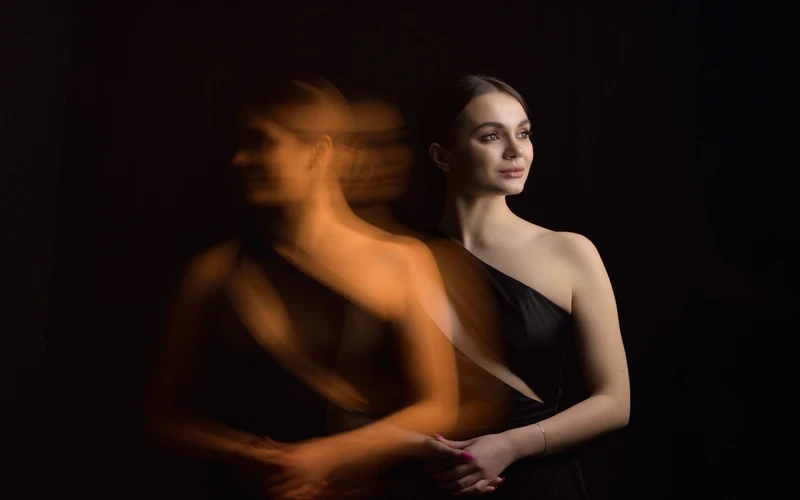
Think of an underwater or motion-blurred shot, where flowing hair, fabric, or water hides and reveals the form all at once. The unpredictability of water or movement gives the image a dreamy, almost weightless feeling that’s hard to get in a still studio setup.
4. Drapery and Implied Form
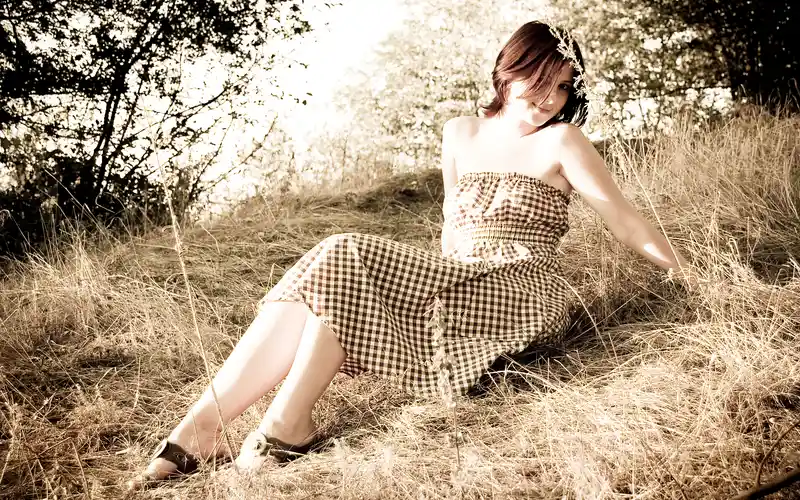
Here, a figure is wrapped or partly covered in flowing fabric, and the fabric itself carries the composition rather than the body underneath. It’s all about texture, folds, and how light falls across cloth. This is often what separates fine art from more literal kinds of photography.
5. Color as Concept
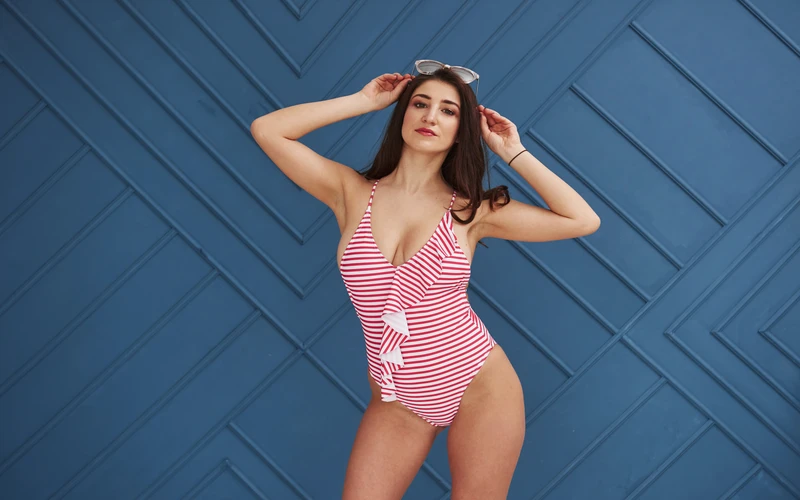
Picture a figure lit or dusted in a bold, saturated color against a plain background. Here, color becomes just as much the subject as the body itself, turning the whole frame into something that feels closer to a painting than a photograph.
Planning a Fine Art Figure Photography Shoot
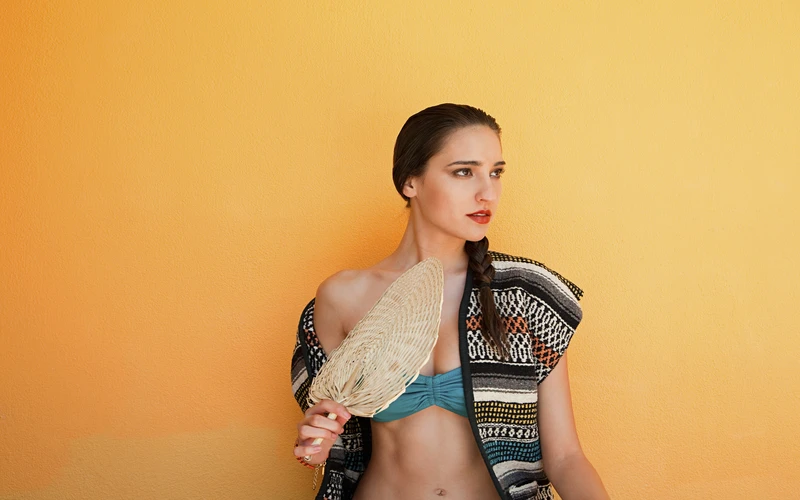
Ideation: Good figure work starts with planning, not winging it. Before you shoot, know the basics. Who are you shooting with? Where are you shooting? What concept are you going for? A shoot that’s thought through ahead of time almost always turns out better than one that isn’t.
Working With a Model: A good shoot depends on being upfront with your model. Be clear and specific about what the shoot involves before anyone even shows up. That kind of honesty sets the tone for the whole session.
Selection: Know the purpose of your shoot and who you’re creating it for. That’s what shapes who you cast and how you work with them.
Legal Considerations: Model releases, usage agreements, and age verification aren’t optional. Skipping this step is a mistake some photographers make, and it’s one you should avoid at all costs.
Model Comfort: If your model isn’t comfortable, the shoot won’t work. Putting their comfort first isn’t just the right thing to do. It also gets you better photos.
Wrapping Up
Fine art figure photography covers a lot of ground. You’ll find stark silhouettes, bold color-driven pieces, and quiet, restrained studies of form, all under the same genre. What ties it together isn’t a specific look. It’s the intention behind it. Light, composition, and concept, all used with purpose, with the human form as the subject rather than the whole story.
Check out more of our interesting content.
Frequently Asked Questions
What is fine art figure photography?
It’s a genre of photography that treats the human body as a subject for artistic composition, light, and storytelling. Think figure painting or sculpture, not portraits or fashion shoots.
What makes figure photography “fine art” instead of just a portrait?
It comes down to intent and technique. Fine art figure work is built around deliberate composition, lighting, and concept, not just documenting how someone looks.
Do you need a professional model for figure photography?
Not necessarily. What you do need is clear consent, open communication, and a comfortable environment for whoever you’re working with.
What equipment do you need to start?
Nothing fancy. A camera with manual exposure control, a way to shape light (even a window works), and a plan. In this genre, technique matters far more than gear.