




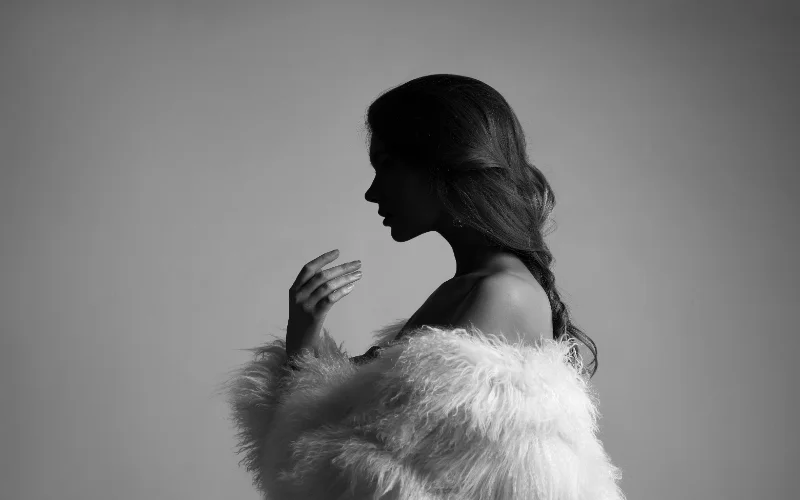
In a world overflowing with information and images, it’s easy to lose sight of simplicity. Yet one style of photography has stayed captivating for decades, precisely because of how simple it is: black and white figure photography. Stripped of color, these images distill a subject down to line, shape, and shadow — honest, striking, and timelessly artistic.
This genre has a classic charm that appeals to photographers and viewers alike, precisely because it celebrates simplicity itself.
In this blog, we’ll explore what makes black and white figure photography such a powerful form of artistic expression — proof that sometimes, less really is more.
Table of contents
The Removal of Distractions
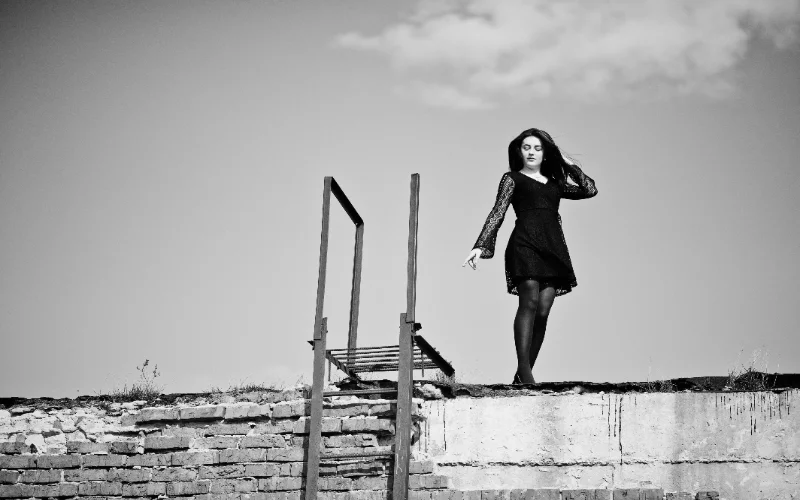
Black and white figure photography emphasizes shape and composition.
One of the most compelling reasons black and white figure photography is timeless is that it eliminates distractions. By removing color, the viewer is left with a raw, pure representation of the subject. This lets the eye concentrate entirely on shape and form, free of visual noise.
When a subject is captured this way, the resulting image becomes elegant and powerful. Without color pulling focus, composition, lighting, and form take center stage — giving the shot a distinct, timeless look that stands apart from other photography styles.
The goal is a clean, minimalist image that emphasizes form and structure while removing unnecessary visual clutter.
Want to build these skills? PhotoWhoa’s Masterclasses cover composition, lighting, and monochrome technique in depth.
The Emphasis On Form
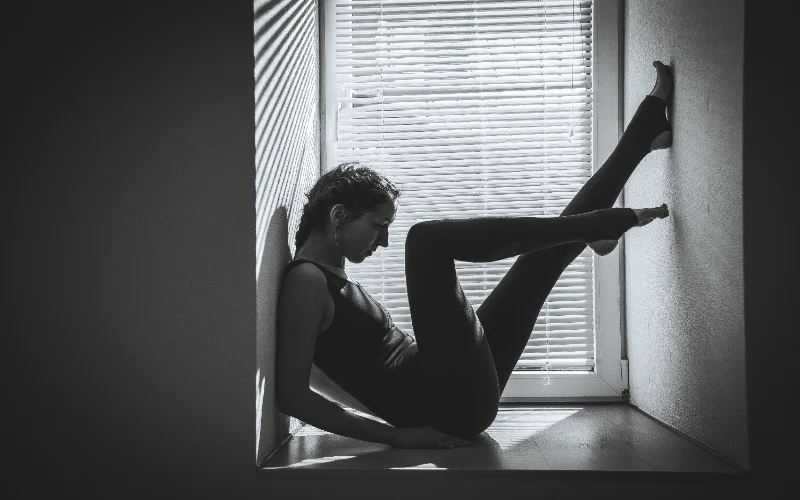
Monochrome photography highlights shape, line, and structure.
Black and white figure photography has a unique quality that sets it apart: its ability to highlight the form of the subject. This quality gives it broad, lasting appeal across audiences and styles.
The absence of color gives images an everlasting quality – a sense of shape and structure that feels timeless rather than tied to a particular moment or trend. These photographs become a study in form, texture, and composition, reminding us how much can be communicated through light, shadow, and line alone.
The Interplay Of Light And Shadow
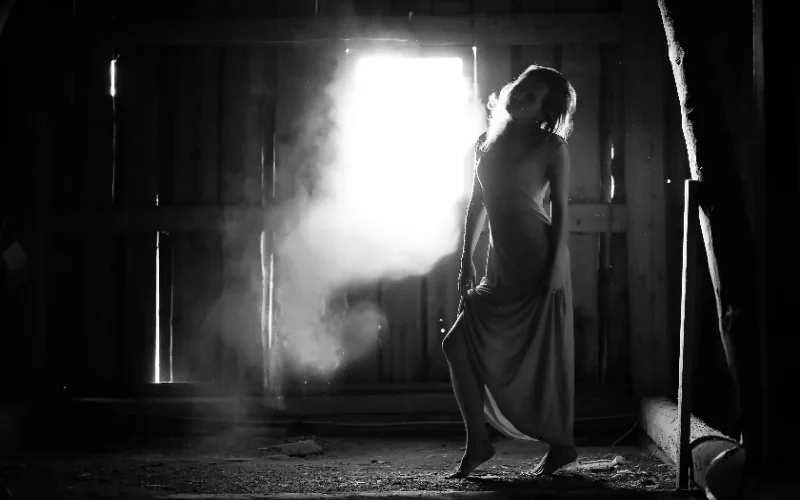
Light and shadow define black and white photography.
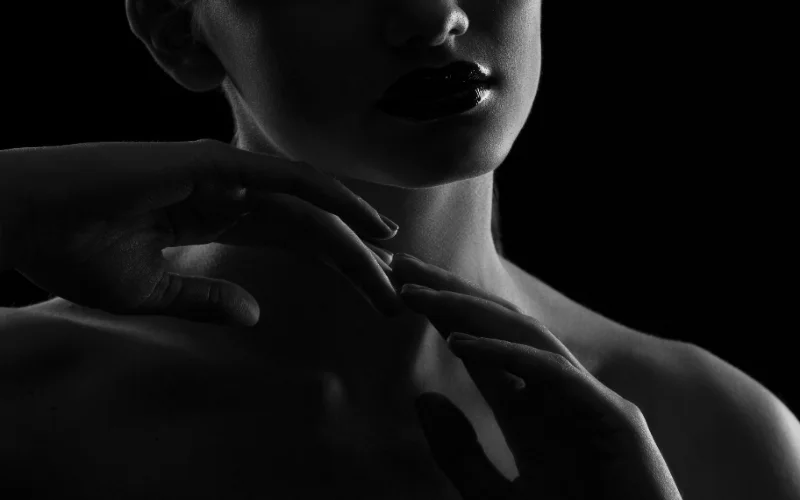
In black and white figure photography, light and shadow are everything. By using different lighting techniques, photographers create depth, texture, and dimension without relying on color at all.
Shadows create contrast and draw attention to specific areas of a composition, while light can soften or sharpen edges and contours. When executed well, this interplay of light and shadow can turn an ordinary photograph into a genuinely striking piece of work.
Learn more about lighting technique in our Playbooks and Knowledge Bytes on monochrome photography.
The Emotional Impact
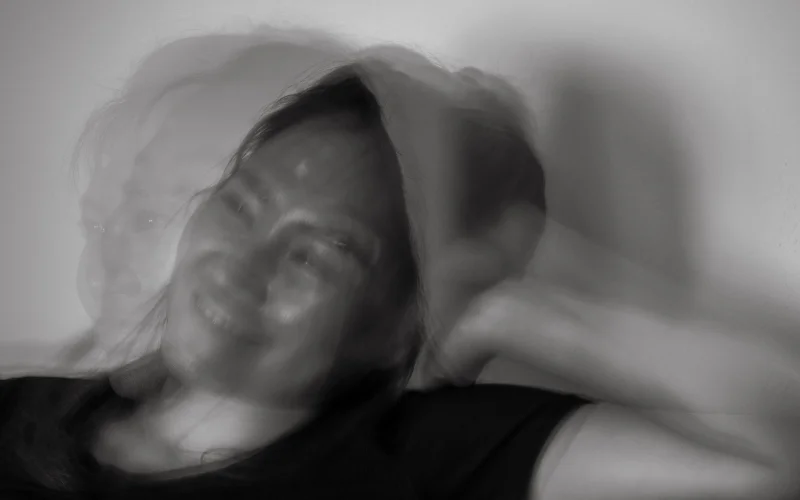
Strong monochrome images create an emotional connection with viewers.
Black and white figure photography has a unique ability to evoke strong emotion. The simplicity of a monochromatic palette, paired with strong composition, creates a connection that’s harder to achieve with color photography.
Because it strips away color and other visual cues, black and white figure photography often challenges the viewer to look more closely at shape, gesture, and mood. This can create a sense of quiet intimacy and honesty in an image – striking, and sometimes unexpectedly powerful, when done with skill and intention.
The Subject-Photographer Relationship
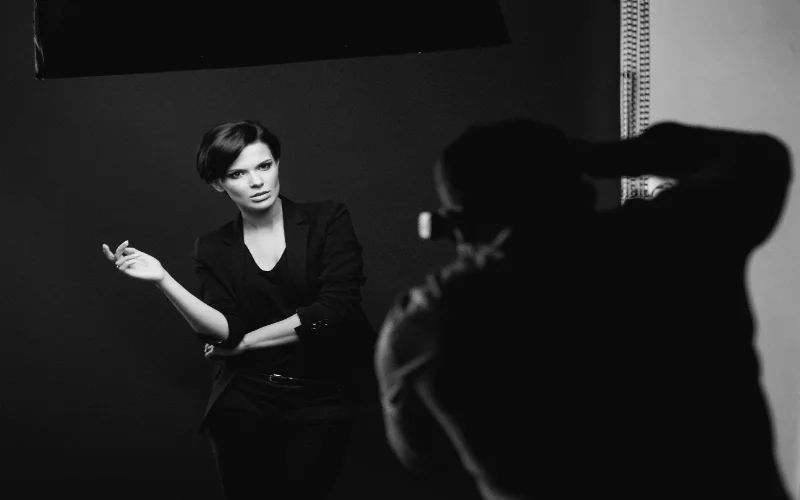
Trust and communication matter in every photography session.
In any figure or portrait photography, the relationship between photographer and subject matters. Clear communication and mutual respect help both people feel comfortable and confident during a shoot.
When that trust is established, the result is often a stronger, more natural image. A relaxed subject and a thoughtful photographer working together can produce photographs that feel authentic rather than staged.
Approaching every subject with professionalism and respect isn’t just good practice — it’s part of what makes the resulting image feel genuine.
Composition and Storytelling
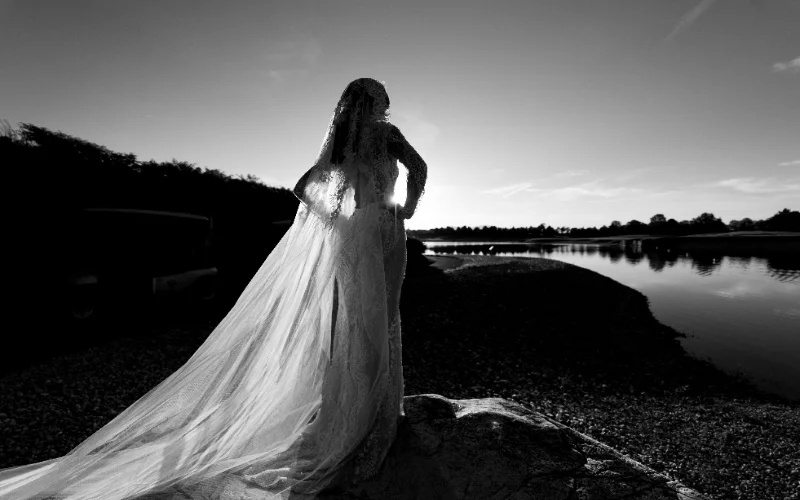
Every black and white photograph tells a story through shape and light.
Every body, pose, and setting is different, and black and white figure photography lets viewers appreciate the subtleties that make each image unique. This isn’t about one “ideal” look — it’s about using form, line, and shadow to tell a visual story.
This genre also invites photographers to think about storytelling and mood, not just technical execution. A photograph can communicate confidence, quiet, strength, or stillness — often more powerfully than a color image might, simply because the viewer isn’t distracted by anything else.
Check out our Masterclass: Black & White Photography By Frank Doorhof, and uncover the secrets to capturing beauty in monochrome.
A Timeless Approach to a Classic Genre
Black and white figure photography endures because it strips photography back to its essentials: light, shadow, form, and composition. It rewards photographers who slow down and think carefully about what they’re capturing — and it rewards viewers who take a moment to really look.
Want to go deeper into monochrome technique, lighting, and composition? Check out our Masterclass library for hands-on lessons from working photographers, and explore Learning Paths built to help you keep progressing.
Found this helpful? Let us know your thoughts, questions, or feedback – and check out our blog page for more photography learning resources.
Frequently Asked Questions
1. What is black and white figure photography?
Black and white figure photography is a monochrome style that focuses on capturing the human form through line, shape, and shadow rather than color. By removing color from the frame, photographers can emphasize composition, texture, and the interplay of light and shadow in a way that feels timeless and artistic.
2. Why shoot in black and white instead of color?
Removing color eliminates distractions and directs the viewer’s attention entirely to form, contrast, and composition. Many photographers find that monochrome images feel more classic and emotionally direct, since the eye isn’t pulled toward color contrast and can focus on shape, light, and mood instead.
3. What equipment or settings work best for this style?
You don’t need specialized gear to start — most modern cameras (and even smartphones) can shoot in monochrome or be converted in post-processing. What matters more is strong directional lighting to create contrast and shadow, a simple, uncluttered background, and attention to composition, since there’s no color to carry the image.
4. How important is lighting in black and white figure photography?
Extremely important. Since color isn’t available to create visual interest, light and shadow do all the work — creating depth, texture, and dimension. Side lighting, backlighting, and controlled shadow are commonly used to sculpt form and add drama to a shot.
5. Do I need a professional model to practice this style?
No. While working with an experienced subject can help, beginners can practice with friends, family members, or even themselves using a tripod and timer. Building comfort and clear communication with your subject matters more than prior modeling experience.
6. Where can I learn more about black and white and portrait photography techniques?
PhotoWhoa’s Black & White Learning Path and Masterclasses (like Black & White Photography by Frank Doorhof) walk through lighting, composition, and directing subjects step by step — helpful next steps if you want to build on what’s covered in this article.