Master Black and White Landscape Photography Through Intentional Editing
Most photographers know how to shoot landscapes, but very few truly understand the best way to edit landscape photos.
Black and white isn’t just a filter, it’s a deliberate decision.
Without color, your image depends entirely on light, contrast, structure, and storytelling.
If your edits feel flat, overdone, or directionless, it’s usually because you’re not controlling tones with intention.
This masterclass fixes that from the ground up.
Black and white landscape photography is not about removing color, it’s about revealing what truly matters in a frame.
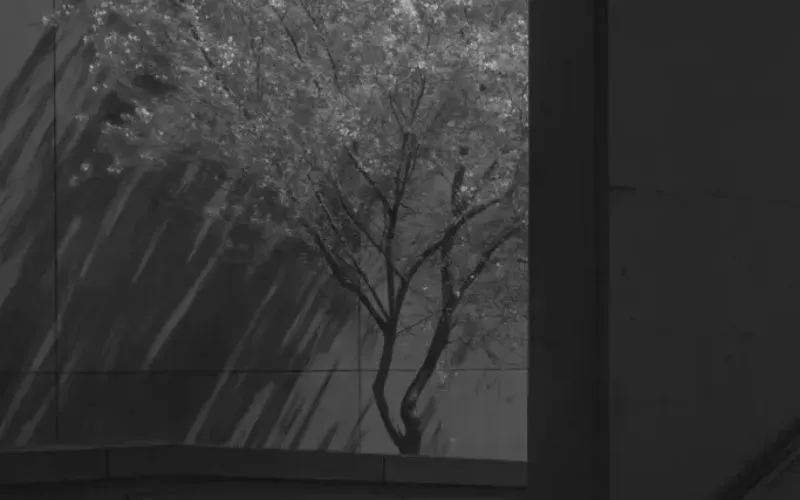
In this masterclass, you’ll learn how to transform everyday urban environments into compelling monochrome images using structured post-production workflows.
You’ll understand how to read tones, control contrast, and shape light to guide the viewer’s eye.
Instead of random adjustments, you’ll learn histogram reading & tonal curves so that every decision you make strengthens your image.
You’ll work with real editing tools and techniques to convert color images into powerful black and white landscape photos
You will also learn how to use Lightroom for efficient RAW processing and tonal balancing
What Makes Black & White So Powerful?
Black and white landscape photography simplifies a scene. This allows you to focus on what truly matters like light, contrast, and composition.
By removing color, you gain stronger control over how a viewer experiences the image.
Without color distractions, your image depends on:
- Light and shadow relationships
- Contrast and tonal transitions
- Composition and structure
Understanding this, is the foundation of effective black and white photo editing and helps you create more impactful, visually striking images.
Tools & Workflow You’ll Master
• Lightroom for initial processing and tonal balancing
• Photoshop for advanced selective editing
• Tonal curves for contrast shaping
• Masks and layers for controlled adjustments
• Export techniques for professional-quality output
Who This Masterclass For?
• Photographers struggling with black and white landscape photography
• Anyone learning black and white photo editing in Lightroom and Photoshop
• Creators ready to move beyond basic edits and presets
• Urban and street photographers improving visual storytelling
• Creators aiming to edit nature photos or cityscapes with depth and control
Turn Everyday Scenes Into Striking Black & White Images
Controlled Complexity Through Editing
Focused Composition in Monochrome
High Contrast, Higher Impact
Organizing the Urban Frame
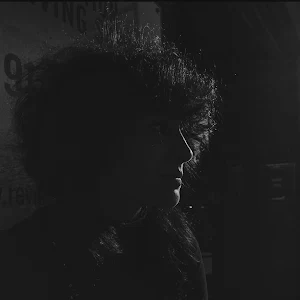
Sculpting Light Through Contrast
Texture as the Subject
Frequently Asked Questions
What is monochrome editing in photography?
Monochrome editing is the process of adjusting tones in a single color range, usually black and white. It focuses on contrast, brightness, and tonal separation to improve image depth.
Do I need Lightroom and Photoshop for this masterclass?
Yes, both tools are recommended. Lightroom is used for initial edits, while Photoshop is essential for advanced monochrome editing and selective adjustments.
Is this masterclass suitable for beginners?
This masterclass is suitable for beginners with basic editing knowledge and intermediate photographers who want to improve their workflow and editing skills.
What is the Zone System in black and white photography?
The Zone System, developed by Ansel Adams, is a method used to control exposure and tonal range in an image for better contrast and detail.
What file format is best for editing landscape photos?
RAW files are best for editing landscape photos because they retain maximum image data, allowing better control during black and white photo editing.
How can I improve contrast in black and white photos?
You can improve contrast by adjusting tonal curves, balancing highlights and shadows, and applying selective edits to different parts of the image.
What is the best way to edit landscape photos in black and white?
The best way to edit landscape photos is to follow a structured workflow. Start with RAW adjustments in Lightroom, then refine tones, contrast, and details in Photoshop using curves and masks.
What is the difference between grayscale and black and white photography?
Grayscale refers to images made only of shades of gray, while black and white photography often involves creative tonal adjustments to enhance contrast and mood during editing.
How do I choose the right photo for black and white editing?
Choose images with strong light, contrast, textures, or leading lines. Scenes with too many colors but little tonal variation may not translate well into black and white.
How do I avoid over-editing black and white photos?
Avoid over-editing by making gradual adjustments and constantly checking details in highlights and shadows. Maintaining natural tones is key to professional results.


Reviews
There are no reviews yet.